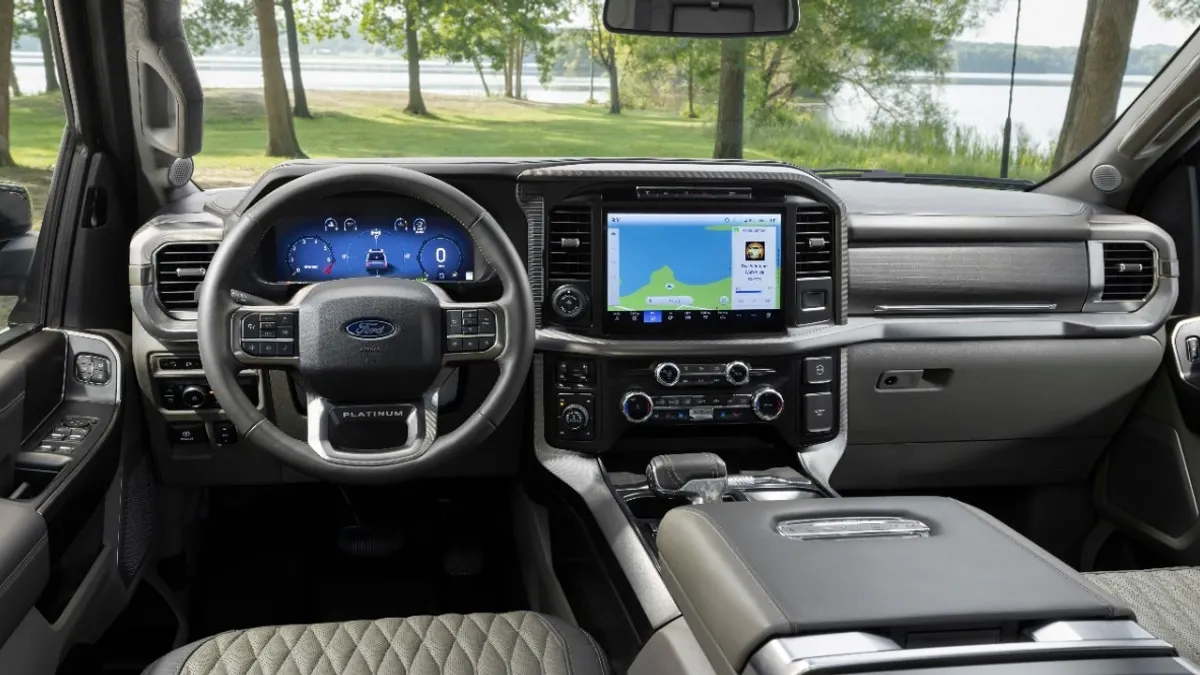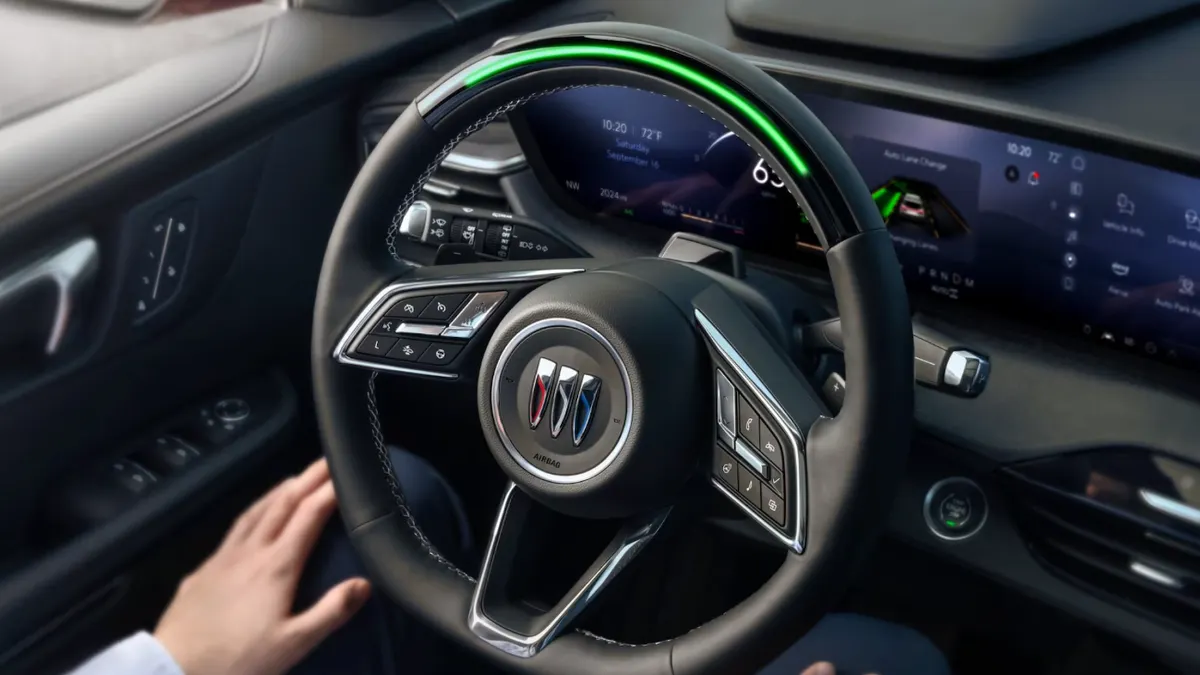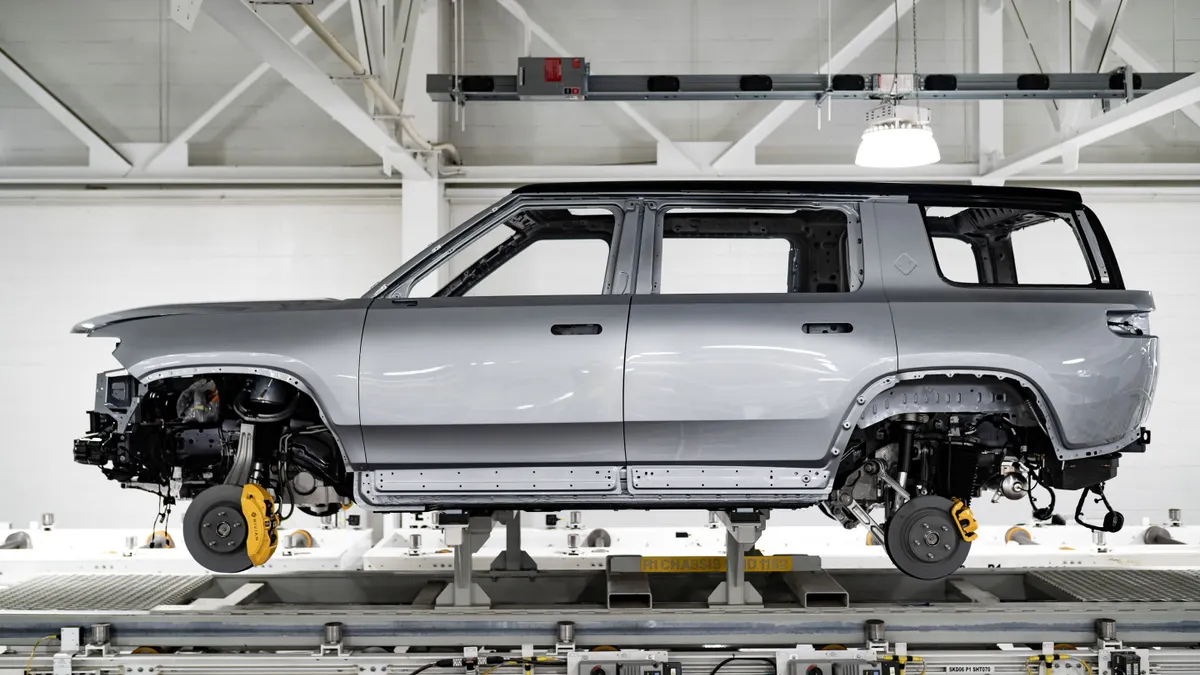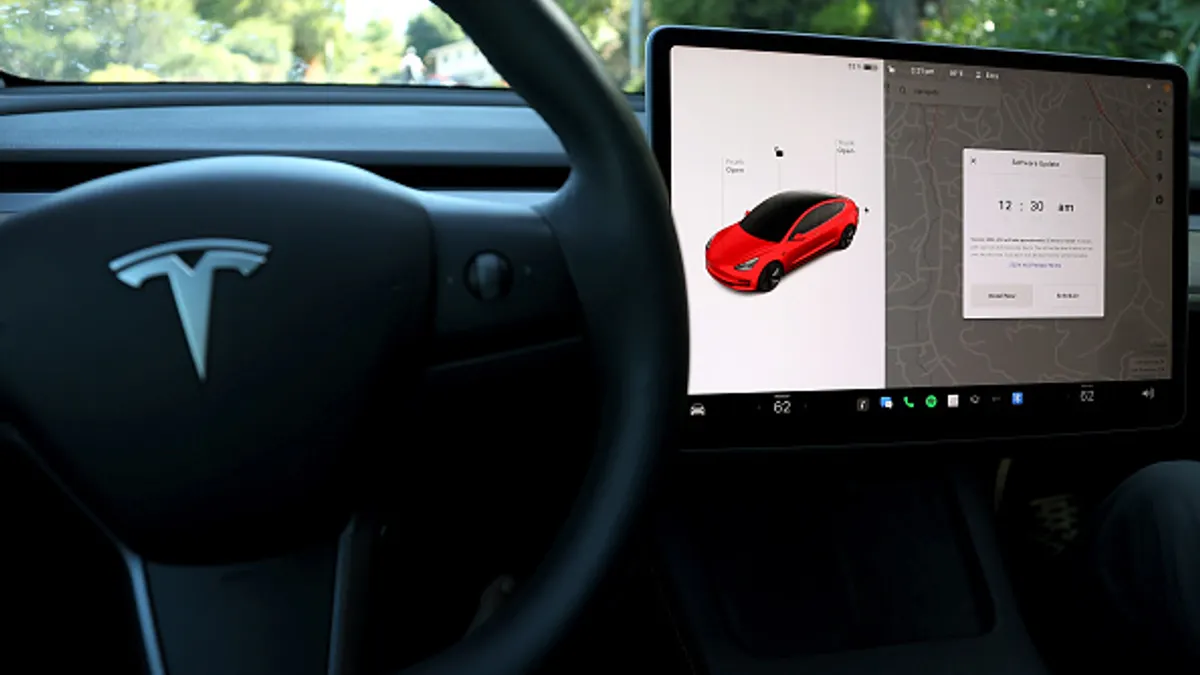
A sleek sedan sits quietly in a garage in the middle of the night when, without warning, it awakens. Not with the rumble of an engine, but with the silent digital pulse of new code flowing into its electronic nervous system. By morning, the vehicle has transformed, offering improved acceleration, enhanced safety features and a refreshed interface, all without visiting a service center.
This scenario is the seductive promise of over-the-air updates that has captivated the automotive industry.
Yet behind closed doors at manufacturing headquarters worldwide, executives are wrestling with a sobering reality: The dream of seamlessly updating vehicles like smartphones has crashed into a wall of complexity, cost overruns and strategic uncertainty, leading to a trough of disillusionment in the hype cycle.
What seemed like a straightforward technology upgrade has revealed itself to be a fundamental restructuring of how vehicles are designed, built and maintained throughout their lifecycle.
While manufacturers continue to publicly champion digital transformation initiatives, many are quietly scaling back ambitious OTA programs and questioning whether the sizable investments will ever deliver adequate returns.
This growing caution contrasts sharply with industry forecasts projecting the global automotive OTA market to expand from approximately $3.8 billion in 2023 to $15.4 billion by 2032. But these numbers tell only part of the story; behind the spreadsheets, manufacturers are embarking on a strategic transformation, rethinking what gets updated and how, and whether propriety solutions are necessary.
The Data Goldmine Driving Strategic Decisions
Beyond software updates, OTA systems offer manufacturers an equally valuable capability: comprehensive data gathering from their vehicle fleets. Real-time diagnostics, performance metrics, usage patterns and predictive maintenance insights represent a treasure trove of information that can drive product development, improve quality control and create new revenue streams.
Data gathering through OTA channels provides manufacturers with unprecedented visibility into how their vehicles perform in real-world conditions. This continuous feedback loop enables proactive maintenance scheduling, quality improvements in future models and insights that simply aren’t available for vehicles operated as isolated systems.
However, establishing robust data collection infrastructure presents its own challenges. Manufacturers must navigate data privacy regulations, manage large volumes of information and develop analytical capabilities to extract actionable insights, all while ensuring secure, bidirectional communication channels.
Hidden Costs and Architectural Reality
For traditional manufacturers, the financial equation of implementing OTA technology has proven far more complex than initial projections suggested. Companies pursuing proprietary in-house solutions have discovered cascading ongoing expenses, often leading to difficult boardroom conversations about continued investment.
Plus, building robust OTA systems requires specialized knowledge across cybersecurity, reliable data transmission, rollback mechanisms and campaign management. This expertise doesn’t typically exist within traditional automotive engineering organizations and can be expensive to develop or acquire.
Security maintenance alone represents a significant ongoing burden many manufacturers underestimated. Unlike standardized solutions that distribute costs across an ecosystem, proprietary systems place the entire responsibility on single organizations. Over multiple vehicle generations, this cumulative security maintenance can become financially unsustainable for all but the largest manufacturers.
The challenge extends into vehicle architecture itself. Many established manufacturers face technical limitations in existing platforms that weren't designed with comprehensive OTA capabilities in mind.
Traditional electronic architectures feature dozens of distributed control units from various suppliers, each requiring specialized update procedures. Modernizing these architectures requires significant capital investment, often within organizations that have already earmarked funds for electric vehicle development and other strategic initiatives.
Strategic Recalibration
Facing these realities, manufacturers are quietly adjusting their OTA strategies. The grand vision of wirelessly updating every vehicle aspect is giving way to measured approaches focusing on infotainment systems while maintaining traditional methods for safety-critical components.
Automakers are starting with infotainment because it is the low-hanging fruit of automotive OTA updates. Updating an infotainment system is very similar to updating a phone or laptop.
Rather than continuing to pour resources into proprietary development, some manufacturers are turning to industry groups and specialized technology providers. Organizations like the eSync Alliance offer standardized OTA solutions already deployed in vehicles, allowing manufacturers to leverage collective expertise rather than reinventing complex systems.
Perhaps the most significant factor driving this OTA development reassessment is opportunity cost. Every engineering hour spent building basic OTA infrastructure represents resources not dedicated to customer-facing innovations that differentiate products in competitive markets.
The question isn’t whether your organization can afford to build an in-house OTA solution; it’s whether you can afford the opportunity costs when standardized alternatives already exist.
This recalibration doesn’t mean OTA technology is being abandoned. The fundamental benefits remain compelling, particularly as vehicles become more software-defined. However, the industry is moving toward pragmatic approaches that balance capability with cost and complexity through greater standardization, increased collaboration between manufacturers and technology partners, and selective implementation focusing on high-value use cases.
We’re witnessing a maturation of the industry's approach to OTA. The initial hype cycle is giving way to a more nuanced understanding of where and how OTA delivers genuine value.
The OTA evolution reflects a broader truth: Automotive innovation requires not just technological capability, but also the wisdom to determine which capabilities truly warrant proprietary development in an increasingly resource-constrained industry.
As the industry navigates unprecedented transformation across electrification, autonomy and mobility services, this strategic prioritization will be increasingly crucial.