Editor’s note: This story highlights takeaways from a Nov. 11 panel that was part of a virtual event hosted by WardsAuto and Manufacturing Dive. Register here to watch the replay on demand.
It’s safe to say, it’s been a turbulent few years in the auto industry.
For one, legacy OEMs are navigating a rapid shift towards electrified powertrains and a transition to software-defined vehicles. Automakers are also looking to boost manufacturing efficiency and lower production costs. While at the same time, China’s OEMs are aggressively pursuing their global expansion into Europe, South America and other regions in order to gain market share.
So how can legacy automakers boost their global competitiveness?
According to Adam Ragozzino, principal analyst at Omdia, speaking at a panel during the WardsAuto and Manufacturing Dive “State of Automotive Manufacturing” virtual event on Nov. 11, it hinges on China export resilience, reducing manufacturing complexity and producing more affordable cars.
“The three things I think we’re going to have to be watching in 2027 are whether exports from China hold up; whether automakers can cut their complexity fast enough and offset the input costs and tariffs without raising prices; and whether Detroit can build an affordable car again,” said Ragozzino.
Reducing manufacturing complexity
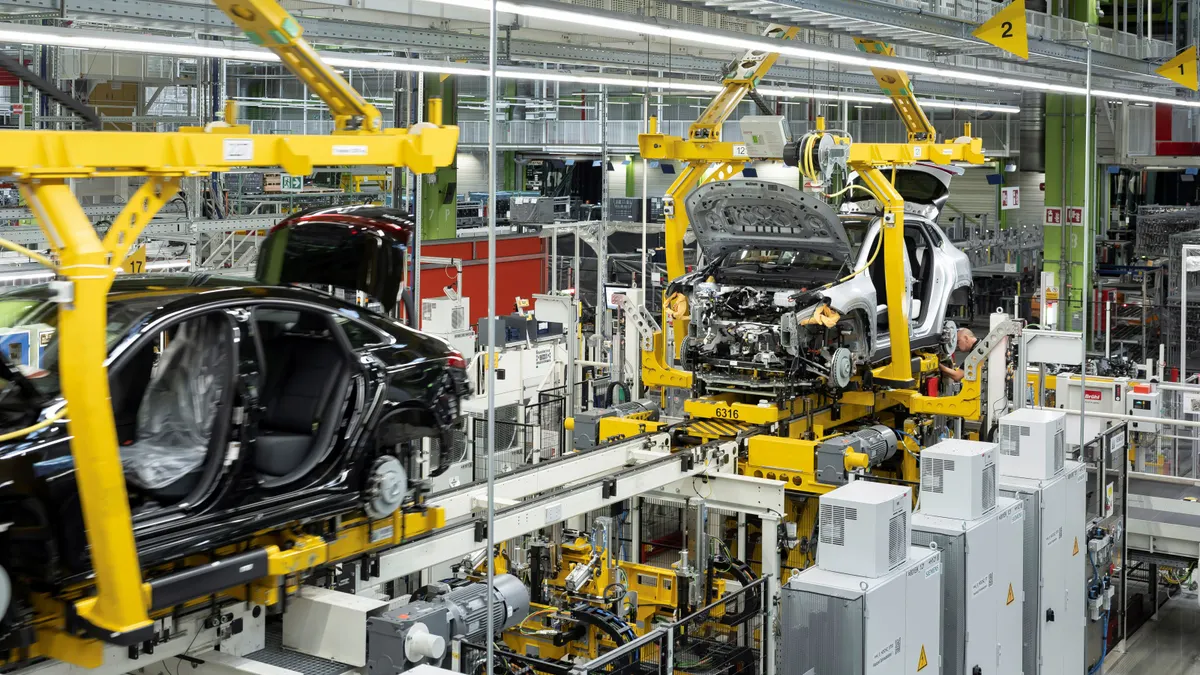
Although there are many moving pieces in the global auto industry that impact long-term product planning, the new “world order” with China’s automakers has exposed weak spots for legacy OEMs, according to Ragozzino. He emphasized that legacy automakers must boost their manufacturing efficiency.
This includes reducing higher comparative production costs and improving build quality, and the need to pivot to building more software defined vehicles. According to Ragozzino, many legacy OEMs don't quite have SDV quality down compared to automakers in China.
“Chinese automotive competitors are world class carmakers, and these have all exposed some serious pain points for legacy automakers,” Ragozzino said. “If legacy auto doesn’t fill that hole before [China OEMs] get here, I think they’ll find themselves fighting for [market] share,” Ragozzino added.
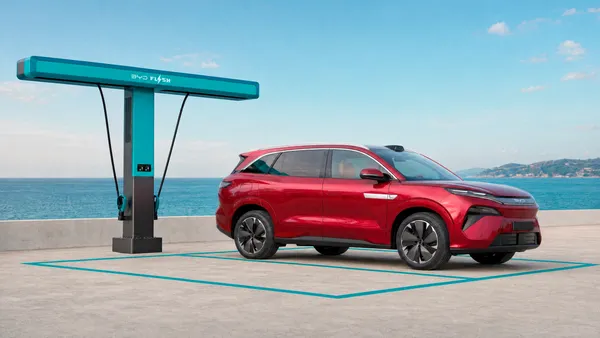
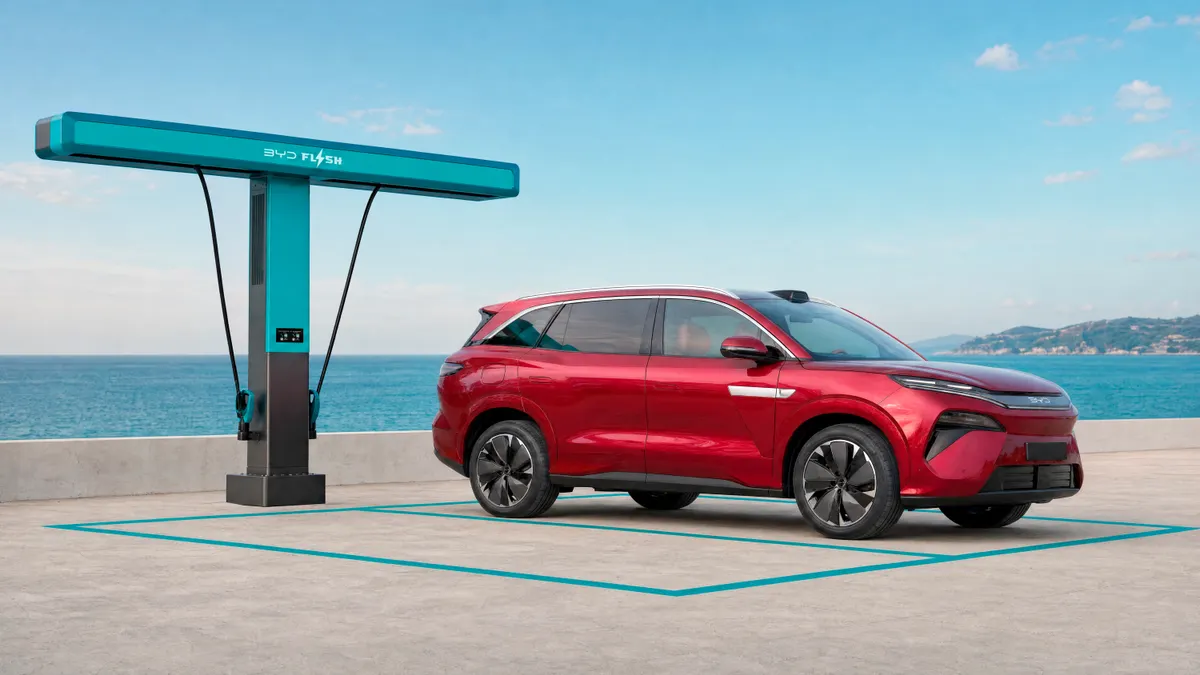
Ragozzino explained that legacy automakers competing for global market share really have to start upping their value game to compete with China OEMs building high-tech electric vehicles powered by software that consumers find appealing. China-based BYD, for example, sold 4.6 million new energy vehicles in 2025, with exports exceeding 1 million units, reflecting its growing global presence, especially in Europe.
Chinese automakers present a really great value for the money in all the markets that they enter, according to Ragozzino.
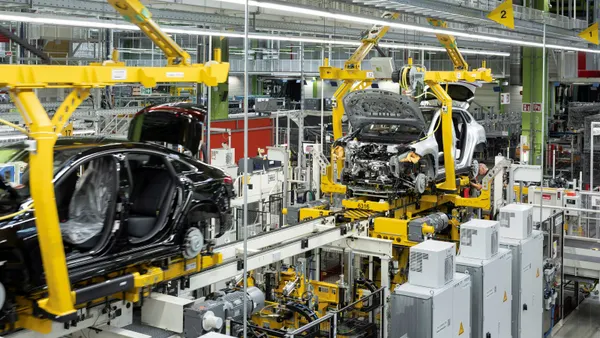
“What [legacy OEMs] are going to have to do to compete for global share is really cut trims, cut powertrains that aren’t as profitable, as well as look to redo their manufacturing processes and reduce complexity,” Ragozzino said.
Reducing supply chain costs and tariff exposure
Outside of technology advancements, OEMs are also facing an assortment of new hurdles, such as higher supply chain costs due to tariffs, changing emissions regulations, and the influence of record-high gas prices on new-vehicle demand.
As a result, many OEMs have pivoted from their previous product plans centered on profit-losing electric vehicles EVs and made new bets on alternative technologies, like hybrids, which cost less to produce. Ford Motor Co., Toyota and Honda all have shifted investments to hybrids to meet growing demand.
“Tariffs, energy costs, all these things are really pushing on automakers, and in an environment of really high competition, they'll [legacy OEMs] be competing for global share instead of looking for tariff shelters,” Ragozzino said.
Addressing vehicle affordability
The average new-vehicle price climbed to a record-high of over $51,000 last month, according to Cox Automotive, leaving a market void of more affordable vehicles, which can eventually lead to a decline in new-vehicle sales as consumers opt for lower priced used vehicles.
Ragozzino also noted that the rising cost of raw materials is far outpacing the industry’s ability to raise vehicle prices, so the only solution to deliver true cost savings to consumers is boosting vehicle manufacturing efficiency.
“Detroit has been very comfortable allowing the used car market to sort of be the affordable vehicle sector,” Ragozzino said. “What that's done, though, is really focus them on the high-margin vehicles, which is great, but it's more and more made up of a smaller group of people — the wealthy consumers.”
Also participating in the panel was Erin Keating, executive analyst and senior director, economic and industry insights at Cox Automotive, who pointed to a particular shift in consumer demographics in the retail side of the auto industry amid record high prices for new vehicles. She noted that the share of affordable entry vehicles on the market has decreased 22% in actual units, leaving fewer affordable options for car shoppers. This trend can impact sales of new vehicles.
“Until we see some easing of inflation, we're going to continue to see customers making difficult decisions,” Keating said. “Whether it's trading down to a smaller vehicle, trading down into used, [or] holding onto their cars longer.”
Ford, however, is addressing affordability concerns with its reentry into the EV market with the forthcoming Fathom electric pickup, with a targeted price of under $30,000. The automaker said it scrapped its cost-cutting norms to develop the more affordable truck after losing billions of dollars on the F-150 Lightning.
The Fathom will be built on Ford’s new Universal Electric Vehicle platform using a new modular assembly process at its plant in Louisville, Kentucky. The Fathom is one of five more affordable vehicles Ford said it would launch by 2030.
But after billions of dollars in EV write-downs by Ford, General Motors, Stellantis, and other global OEMs in 2025, a transition back to electrification and building more SDVs to become more competitive requires significant investments and a different approach to how modern vehicles are traditionally manufactured, according to Raggozino. It will be unavoidable, as well as costly, he added.
“SDVs, it’s something I don’t think they [OEMs] can avoid, and in the long run [it] lowers their costs,” he said. “But getting there, I think, is going to be really expensive.”