In a letter to Ford Motor Co. CEO Jim Farley dated Sept. 3, Transportation Secretary Sean Duffy said the agency remains “deeply alarmed” by the automaker’s reliance on technology from China and its impact on American jobs.
The DOT said it recognizes the intense competitive pressures of the global market, but it emphasized that Ford’s decision to partner with companies in China paints a troubling picture of the American brand actively “intertwining its future with Chinese state-backed enterprises.”
“Ford must demonstrate a level of corporate citizenship that prioritizes the long-term resilience and technological sovereignty of the United States automotive ecosystem over short-term arrangements or questionable foreign alliances,” Duffy wrote.
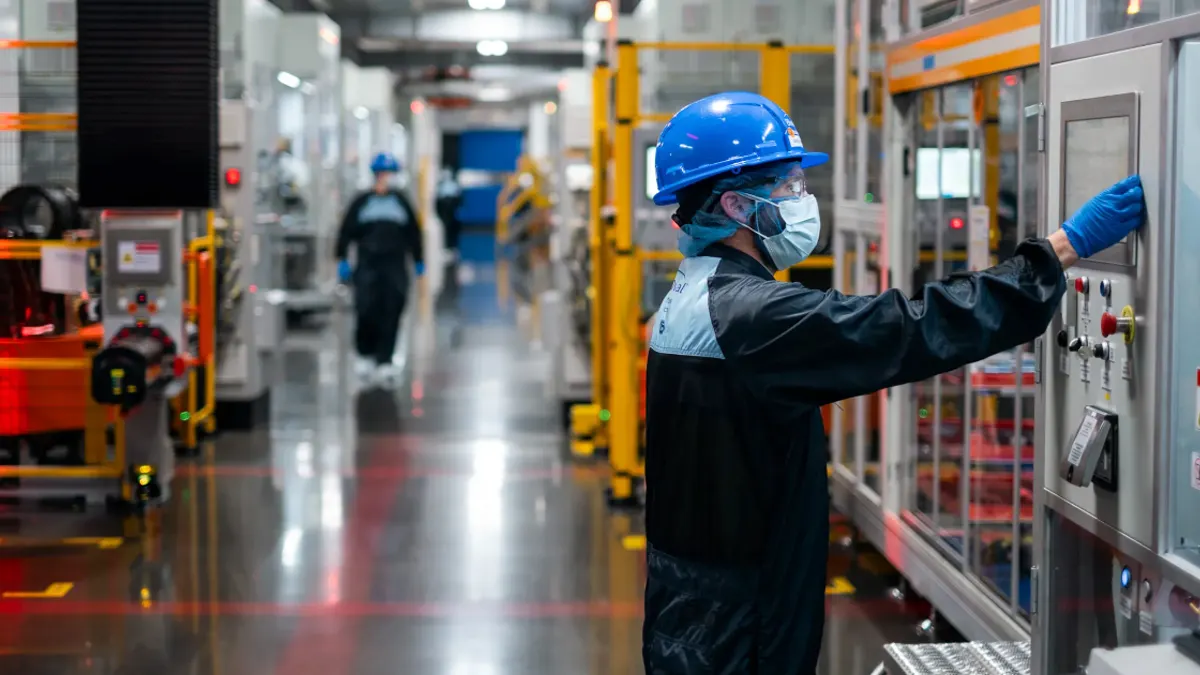
In particular, the DOT said it remains “deeply alarmed” by Ford's continued reliance on licensed technology from China-based battery manufacturer Contemporary Amperex Technology Co. at the operational BlueOval Battery Park facility in Marshall, Michigan.
In February 2023, Ford announced it was investing $3.5 billion in the Michigan battery plant to manufacture batteries for its future electric vehicles. Although the plant is wholly-owned by Ford, it reached a licensing agreement to manufacture lithium iron phosphate battery cells using CATL’s “battery cell knowledge and services,” per the release. The first battery cells produced at the plant are expected to ship by the end of the year, Ford announced in June.
“When a company intentionally chooses to deepen operational dependencies on strategic competitors, it fails to act as the reliable partner the American public and this DOT require,” Duffy said in the letter. “Iconic American companies, like Ford, are also expected to out-innovate competitors. To that end, they need to chart clear paths to technological self-reliance.”
Ford was quick to respond to the Transportation secretary's accusations and said it supports the Trump administration’s vision for advancing American innovation and manufacturing.
Ford pointed out that its partnership with CATL in Michigan is a “limited technology-licensing and services agreement,” not a joint venture or foreign-owned manufacturing operation.
“Secretary Duffy’s letter is a wrongheaded attempt to capture headlines at the expense of a company that has done more for American manufacturing than virtually any other in the nation’s history,” Ford wrote in response.
In a company statement, Ford also said that the DOT’s letter contains factual errors, saying that it has not proposed a joint-venture framework as stated in the letter. That reference is about its recently announced joint venture partnership with China-based Geely Auto to build cars at Ford’s assembly plant in Valencia, Spain.
Duffy said in the letter that Ford’s joint venture with Geely in Spain “helps strategic adversaries secure a vital foothold in Western markets.”
Ford also responded to Duffy’s concerns about the timeline to shift Lincoln Nautilus production from China to the U.S., calling the DOT’s response “equally misguided.” In August, Ford announced plans to phase out Lincoln brand vehicle imports from China to the U.S. beginning in 2030, which are currently subject to a tariff rate of 52.5%.
In the letter to Farley, Duffy said that delaying the reshoring of Lincoln models like the Nautilus until 2030, “leaves an unacceptable, multi-year window of reliance on Chinese manufacturing while depriving skilled American workers of vital manufacturing jobs.”
“I urge you to reflect on these concerns and national necessities and adopt reasonable strategies that prioritize American workers, utilize allied supply chains, and promote the self-reliance and integrity of the domestic automotive industry,” Duffy said.
“Ford believes the United States must compete from a position of strength with American ownership, American jobs, American production and strong national-security safeguards, the company wrote in response to the DOT. “That is exactly what we are doing across our U.S. manufacturing footprint.
Ford also called out the DOT for not reaching out before publishing its letter to Farley.
“Had Secretary Duffy reached out before issuing his letter to the press, we would have been happy to share more details about Ford’s U.S. commitment,” the automaker said in its response.