SPARTANBURG, S.C. — Few production models have done more to shape BMW's modern fortunes — especially in the U.S. — than the X5.
Since the original model arrived in 1999, more than 3.1 million examples of this luxury SUV have been sold worldwide. Produced exclusively at BMW's Spartanburg plant in South Carolina, it has evolved into one of the company's most valuable assets, combining strong global demand with the healthy margins that have helped drive profitability for more than two decades.
Those credentials place considerable pressure on BMW to evolve the formula just right for the times, as the premium SUV market is entering a period of unprecedented change. Many U.S. buyers remain committed to gasoline engines, while diesel continues to retain a following in Europe. Others, meanwhile, are shifting toward plug-in hybrids. Battery-electric vehicles are gaining momentum in key markets, and hydrogen remains part of BMW's longer-term drivetrain plans.
Rather than backing a single technology, BMW has chosen to cover every base with this model that faces off against two German rivals, the Audi Q7 and Mercedes-Benz GLE, plus a long list of other luxury-brand SUVs.
The result is the fifth-generation X5. When it enters production later this year, it will become the first BMW designed from the outset to accommodate five distinct drivetrain technologies. Three of them — gasoline, plug-in hybrid and battery-electric — will be offered to U.S. customers from October.
Our first opportunity to sample the new X5 came on roads surrounding Spartanburg, including South Carolina's demanding Caesars Head mountain route, before moving onto BMW's nearby proving ground.
After a day behind the wheel, the strongest impression is not that BMW has reinvented the X5. Instead, it has carefully broadened its appeal while preserving the qualities that have made it one of the company's most enduring success stories.
While BMW's latest Neue Klasse models, including the second-generation iX3 and forthcoming i3 sedan, sit on a dedicated electric-vehicle architecture, the new X5 continues with an extensively reworked version of the outgoing model’s Cluster Architecture platform. The decision was driven by flexibility. CLAR remains the only architecture within BMW's portfolio capable of accommodating all five drivetrain technologies within a single model line.
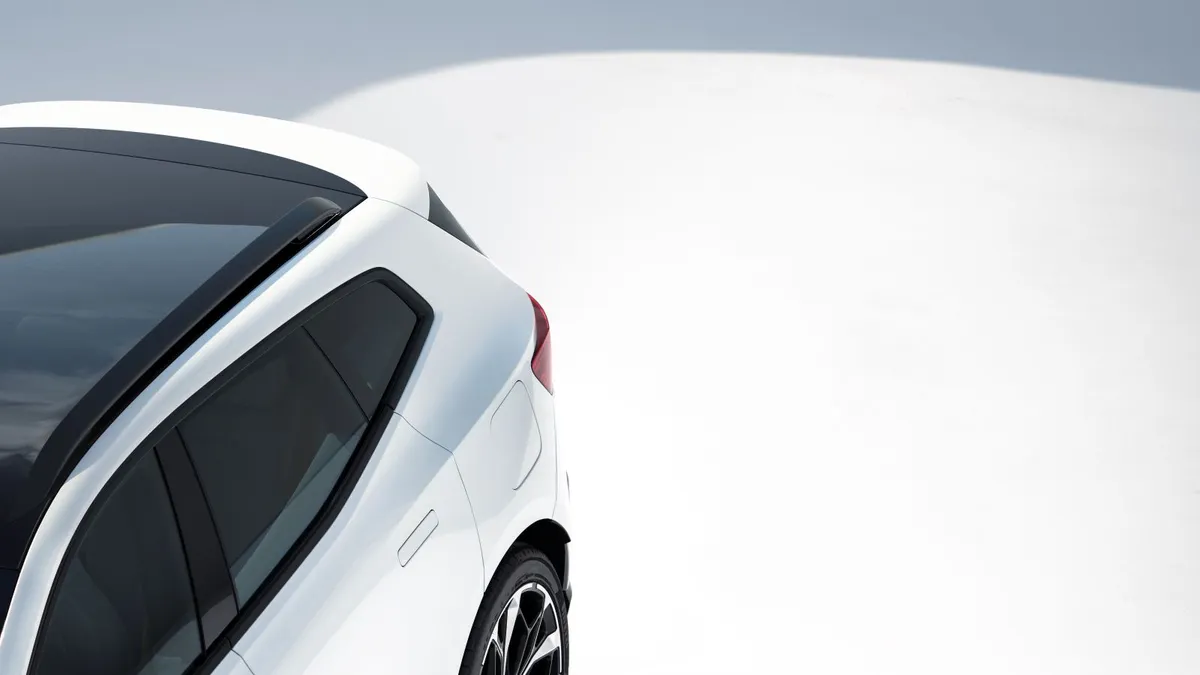
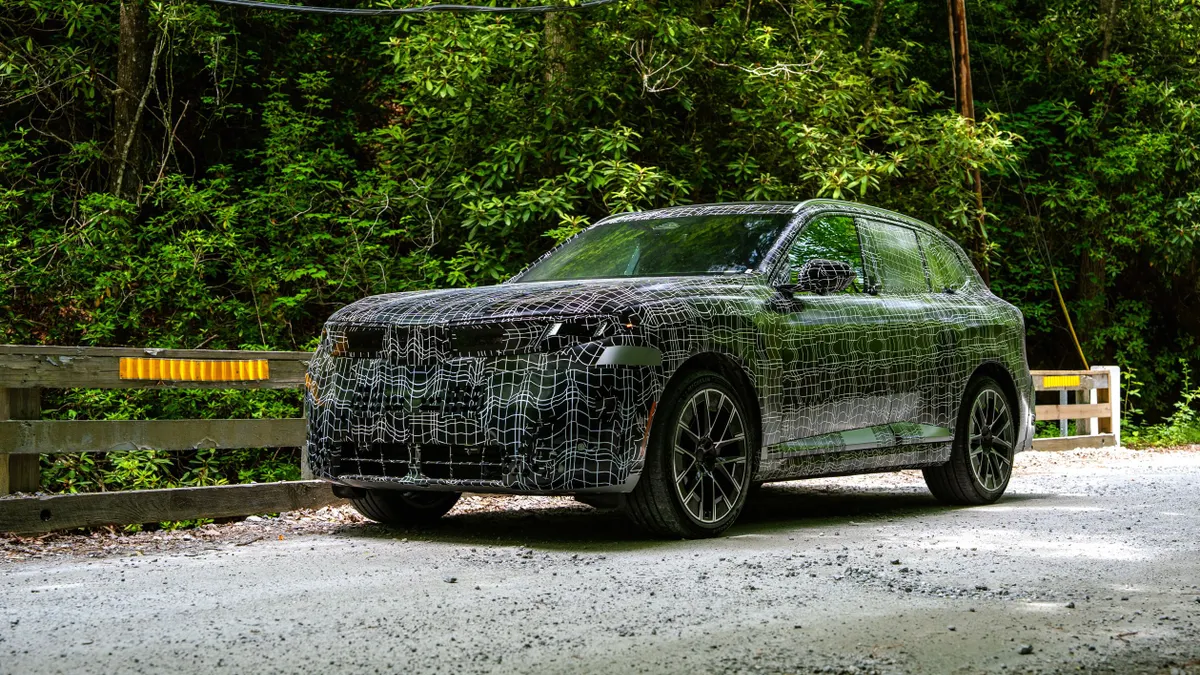
Despite the extensive camouflage of the prototypes, the new X5 clearly uses many of the design cues introduced by the BMW iX3. The front end appears more upright, the surfacing cleaner and the overall stance more planted. BMW's aim has been to bring the X5 visually closer to its latest generation of electric vehicles while preserving the proportions that have helped define the model since 1999.
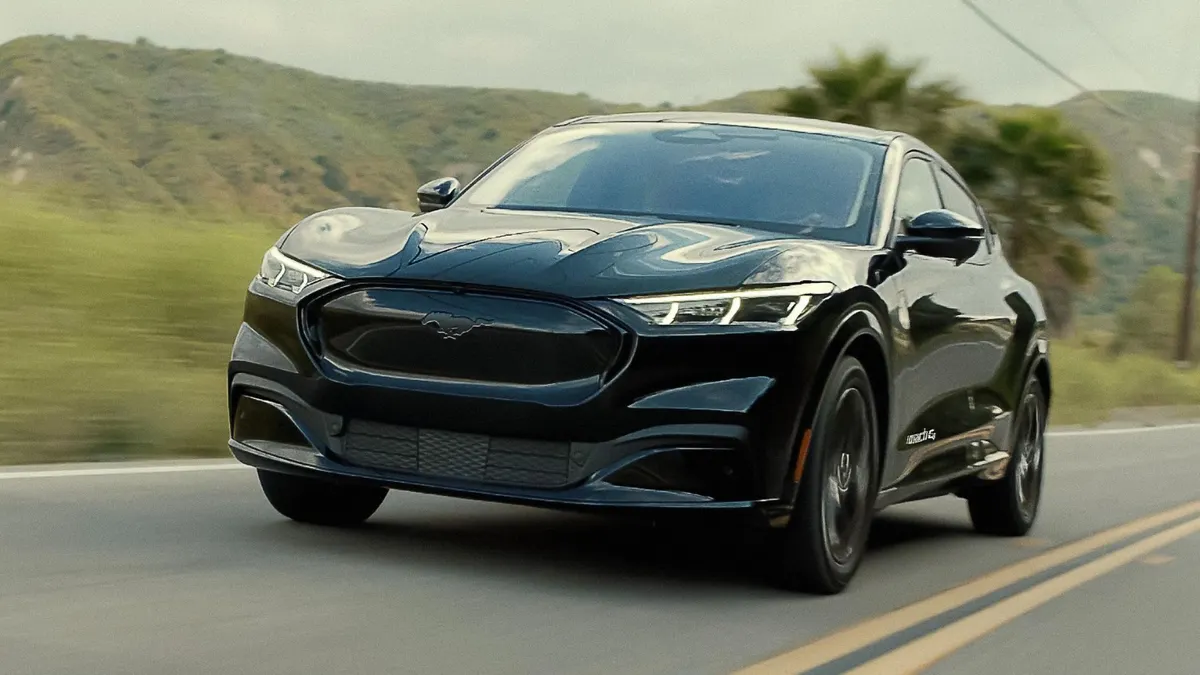
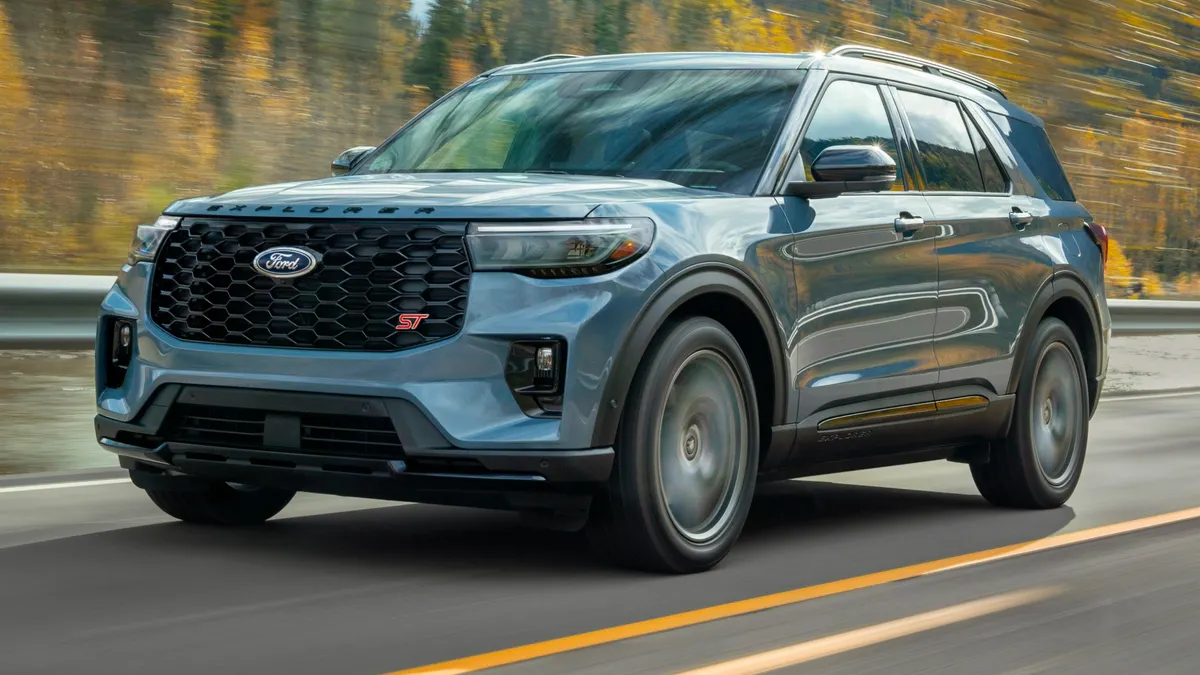
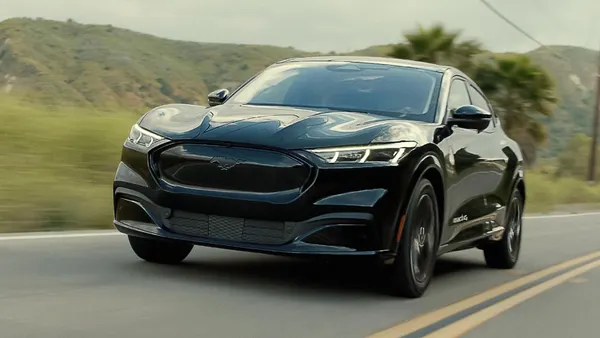
One of the more unusual features is the adoption of BMW's new "winglets." Replacing conventional exterior door handles, the slim aerodynamic elements, similar to those used by Ford on the fully electric Mustang Mach-E, protrude from each door and are intended to improve airflow management while providing a distinctive visual signature.
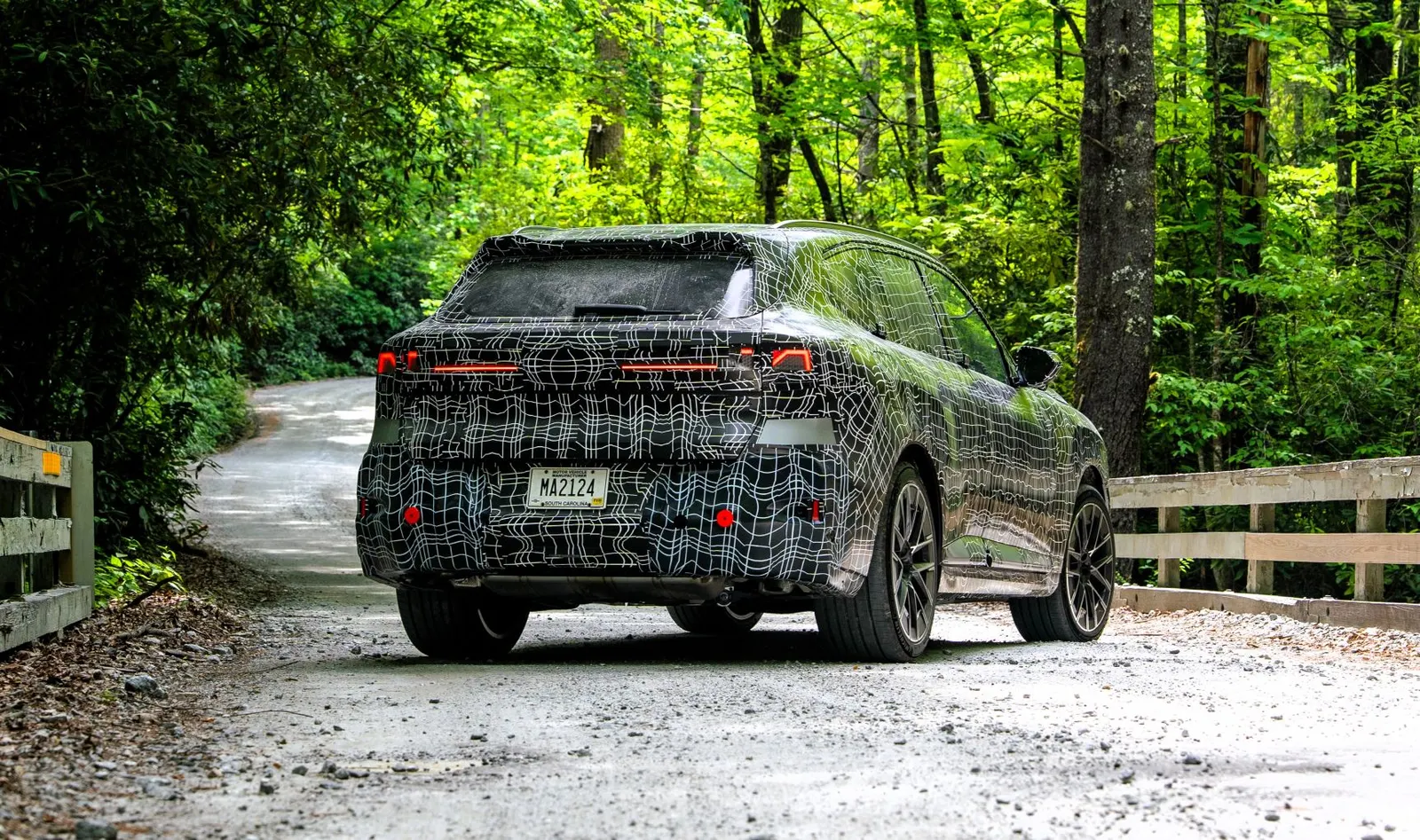
The new model is also larger. Official dimensions haven’t yet been revealed, though the new X5 is obviously longer overall in a development that pushes it close to the X7, itself set to be replaced by a second-generation model next year, in outright size.
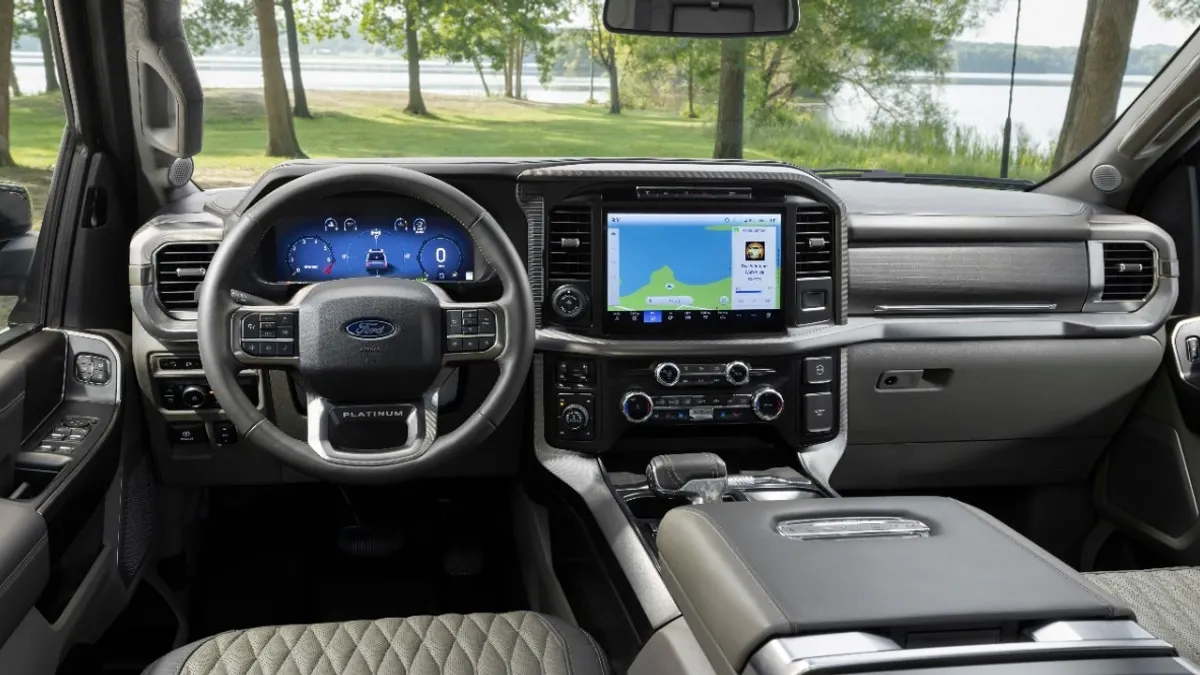
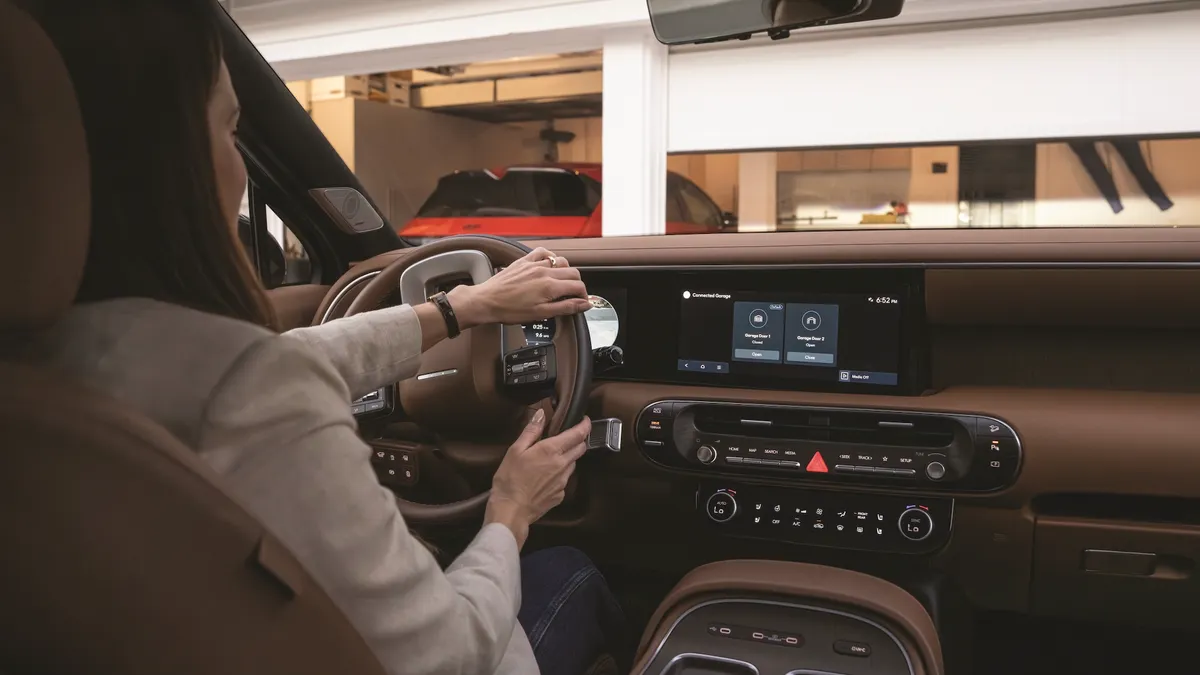
Inside, the transformation is more overt. The roomier cabin adopts many of the elements introduced on the electric-powered iX3 and forthcoming i3 sedan. Traditional instrumentation gives way to BMW's new Panoramic Vision display extending across the base of the windshield, while a rhombus-shaped central touchscreen becomes the primary interface for infotainment and vehicle functions. Physical switchgear has been reduced substantially and the overall presentation is cleaner, more minimalist and more digitally integrated than that of today's X5. A longer wheelbase also creates greater rear seat legroom.
Consistent character no matter what’s under the hood
Over the course of a day behind the wheel, the strongest impression was not the breadth of the drivetrain lineup, nor the exterior or interior design. It was the consistency BMW has managed to achieve across it.
The initial gasoline, plug-in hybrid and battery-electric models set to go on sale in North America each deliver their performance differently, yet all retain a surprisingly similar character. Steering feel, ride quality, body control and overall responses have been calibrated to create what feels unmistakably like an X5 regardless of the power source.
The U.S. launch lineup will initially consist of the X5 40 xDrive and X5 50e xDrive, with additional variants, including a new six-cylinder M Performance model and a V-8-powered X5 M, scheduled to follow.
The X5 40 xDrive uses a turbocharged 3.0L inline-6 gasoline engine combined with a 48-volt mild-hybrid starter-generator, 8-speed automatic gearbox and standard xDrive all-wheel drive. Combined output stands at 400 hp and 428 lb.-ft. of torque, enough to propel the X5 40 xDrive from 0-62 mph in 5.4 seconds and on to an electronically limited top speed of 155 mph.
The familiar inline-6 engine remains a highlight. It is smooth, responsive and notably refined, while the mild-hybrid properties help to mask turbocharger lag and sharpen low-speed response.
The plug-in hybrid X5 50e xDrive pairs the same engine with a disc-shaped synchronous electric motor mounted within the gearbox housing of an 8-speed automatic gearbox and xDrive all-wheel drive. Total system output is put at 490 hp and 516 lb.-ft. BMW claims a 0-62 mph time of 5.0 seconds and a top speed of 150 mph, while electric-only operation is possible at speeds of up to 87 mph.
A 25.7-kWh battery is mounted within the floor of the PHEV’s trunk, allowing the X5 50e xDrive to travel up to 63 miles on electric power alone under the WLTP cycle. Plug-in charging is via AC only.
On the road, the additional electric assistance gives the X5 50e xDrive a character different from that of the standard gasoline model. Initial throttle response is sharper, low-speed refinement is exceptional and the transition between electric and combustion power is virtually imperceptible.
Despite its fundamentally different drivetrain, it delivers much the same steering feel, body control and overall sense of balance. BMW's engineers have clearly worked hard to ensure the electrified version does not feel isolated from the rest of the range.
The consistency extends even further in the iX5 60 xDrive, which is planned to join the lineup in early 2027.
Yes, there’s an X5 EV
The battery-electric model represents the most technically ambitious member of the new X5 family. Built around BMW's sixth-generation eDrive technology, it employs a dual-electric-motor layout with an asynchronous motor unit mounted within the front axle and a synchronous one sited at the rear, each with single-speed gearboxes. Together they provide a combined output of 578 hp and 594 lb.-ft. of torque, enabling a claimed 0-62 mph time of 4.7 seconds and a top speed of 130 mph.
Power is supplied through an 800-volt electrical architecture and a 144-kWh battery pack, adopting the latest cylindrical cells, in U.S.-market versions of the new electric SUV. It’s the largest capacity battery ever fitted to a BMW production vehicle, underlining the company’s determination to make the iX5 a genuine long-distance alternative to its combustion-powered siblings.
BMW hasn’t yet released an official driving-range figure. However, Michael Ahlers, the project head for the new X5, told WardsAuto the combination of the large battery, sixth-generation eDrive technology and aerodynamic improvements delivers a substantial increase over the range offered by BMW's current electric models, including the iX.
From behind the wheel, the iX5 60 xDrive has noticeably stronger low-speed acceleration, but the steering weighting, brake feel, body control and overall responses have been calibrated to mirror the gasoline and plug-in hybrid models surprisingly closely. Moving from an X5 40 xDrive to an X5 50e xDrive and then into an iX5 feels less like stepping into three separate vehicles and more like experiencing different interpretations of the same vehicle.
More significantly, the iX5 is intended to sit alongside rather than replace the gasoline and plug-in hybrid models, reflecting BMW's belief that multiple powertrain technologies will continue to coexist throughout the next decade.
Of the three prototypes sampled, the X5 40 xDrive offers a lighter weight, the most natural balance and the best brake-pedal feel, emerging as the most rewarding driver's car and, arguably, the most complete model in the initial lineup.
Greater agility, not at the expense of ride
BMW will offer three suspension configurations. The entry-level set-up uses conventional steel springs, while higher-grade models receive two air-suspension systems offering varying ride heights. At the top of the range sits a more sophisticated package combining air suspension with Active Roll Stabilization and a so-called Integral Active Steering system providing up to 3.7 degrees of rear-axle steering angle, helping the new SUV feel noticeably more agile at lower speeds while improving stability at higher speeds.
Based on the prototypes sampled — with no base-suspension versions present — the ride quality represents a clear step forward. The new X5 displays excellent shock absorption over broken surfaces, expansion joints and larger impacts, while also delivering noticeably improved refinement. Road noise is reduced, wind noise is lower and secondary body motions are better controlled. The overall impression is one of greater composure, particularly at highway speeds.
The improvements are especially evident on South Carolina's rougher secondary roads, where each X5 prototype demonstrated an ability to absorb sharp impacts without disturbing its occupants. Even over challenging surfaces, it retains the settled, controlled character expected of a premium SUV.
The iX5 takes the chassis concept a step further. In addition to the two-axle air suspension and electronically controlled dampers, it gains BMW's new Heart of Joy dynamic control system, which integrates key vehicle functions to enhance responsiveness and precision.
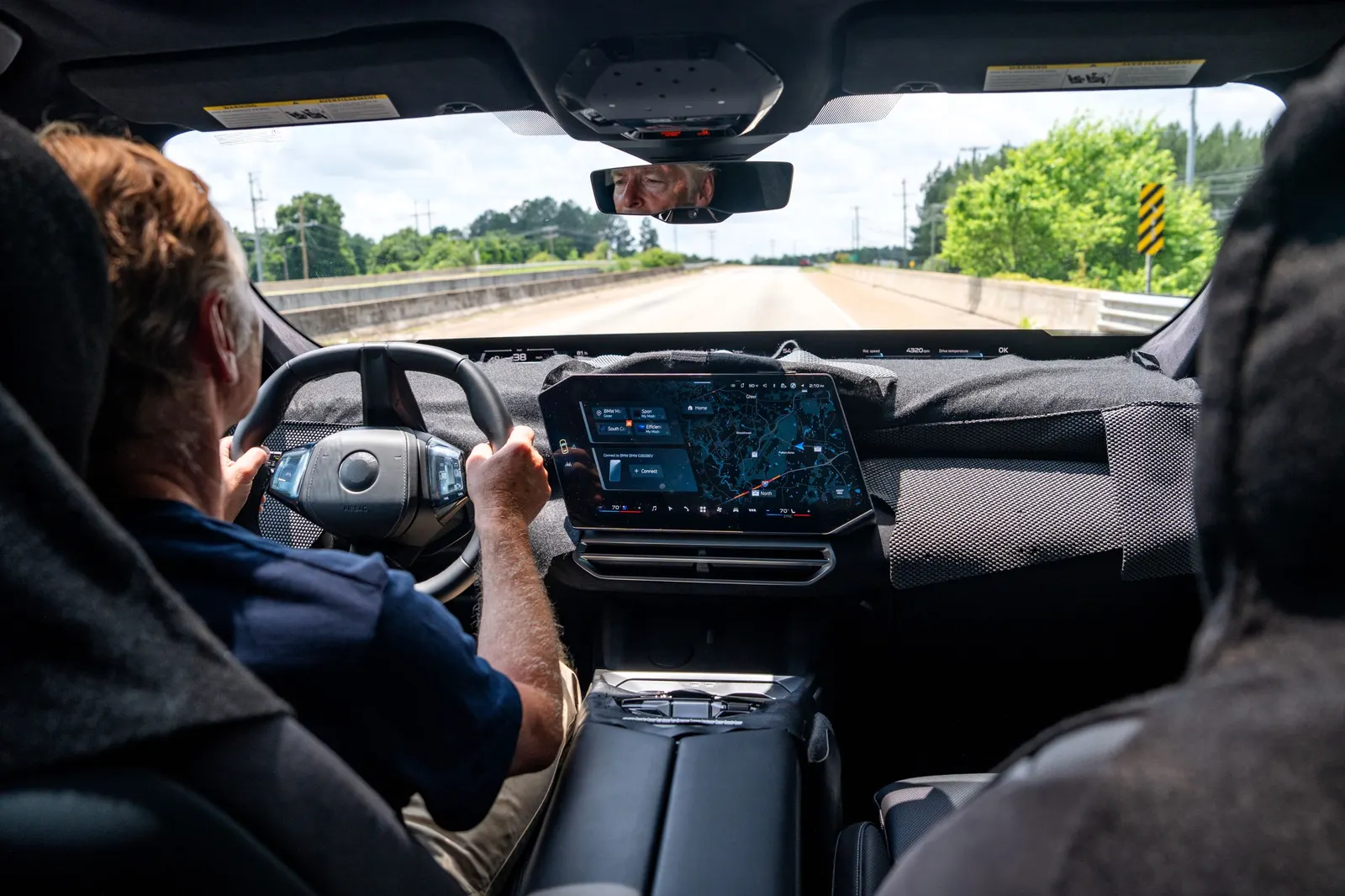
BMW has also applied a similar philosophy to driver-assistance technology. The fifth-generation X5 introduces BMW's latest Symbiotic Drive system, built around a new generation of Level 2 driver-assistance functions. So-called Highway Assistant, City Assistant and Driving Assistant Plus headline a broader package that includes expanded lane-keeping assistance, lane-change warning, blind-spot detection, emergency steering support, cross-traffic braking and enhanced automated emergency braking. BMW describes it as the most comprehensive suite of active safety features yet offered on an X5.
Not all will be standard in the U.S. market, though all of the necessary hardware is fitted. Customers can subsequently unlock functions through ConnectedDrive upgrades.
Along with the three prototypes of the initial models driven here, other gasoline and electric models are on the way — including a price-leading rear-wheel-drive X5 40 sDrive set to join the lineup next year.