Dive Brief:
- BMW has made significant progress in reducing R&D expenses and production costs for future electric vehicles produced on its updated “Neue Klasse” platform, its executives said following the release of its Q1 earnings on May 6.
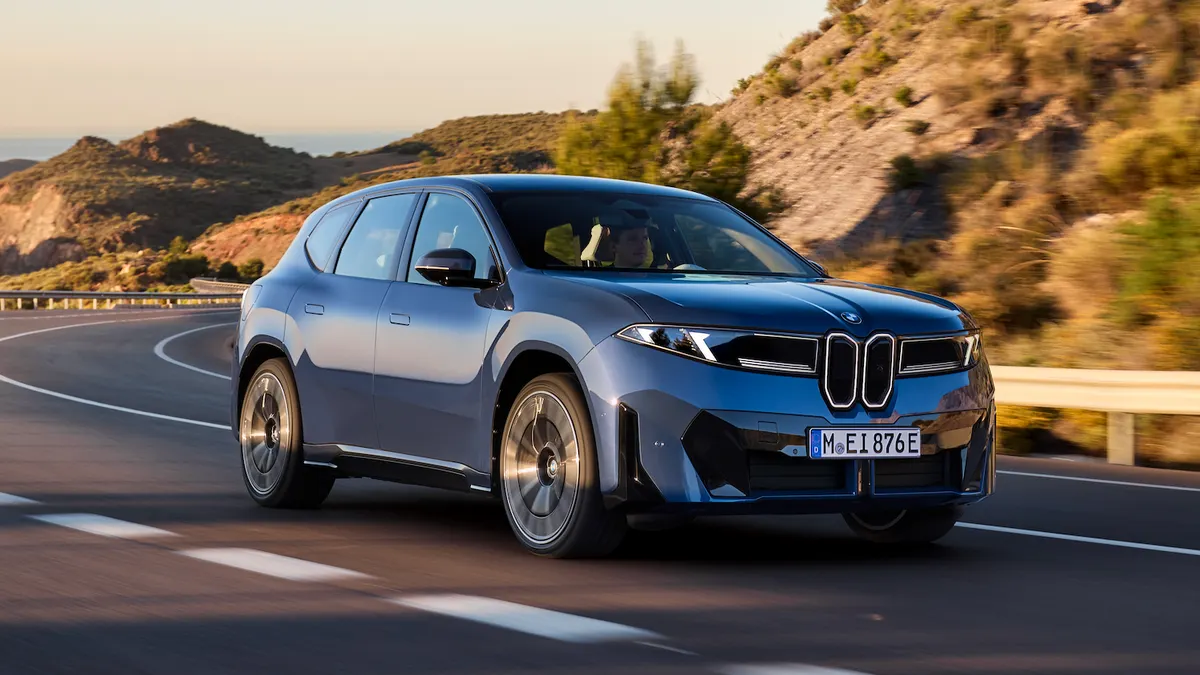
- The first EV model built on the updated platform is the new iX3 SUV, with deliveries in Europe beginning in March. BMW said it received 50,000 orders for the iX3 since its unveiling last September and added a second shift at its assembly plant in Debrecen, Hungary, to meet demand.
- The iX3 uses BMW’s sixth-generation eDrive technology, which includes a new battery design using using cylindrical cells with 20% higher energy density combined with an 800-volt electrical system. The iX3 and other Neue Klasse platform vehicles to follow will be a key driver for the company’s future growth, and executives expressed confidence that BMW can achieve an 8-10% EBIT margin in the long-term once production ramps up.
Dive Insight:
“We are continuing cost reductions across the company to tackle the overall headwinds,” said Walter Mertl, BMW Member of Management Board of Finance, on the company’s earnings call. “In the first quarter of 2026, we have further reduced both R&D and capital expenditure, thanks to early investments in the Neue Klasse.”
Mertl said on a call with analysts that BMW’s R&D expenditure totaled around 1.8 billion euros, a decrease of roughly 12% compared to the previous year, and the company is working to further reduce materials costs. He also pointed to the automaker’s lower capitalization ratio compared to Q1 2025, which decreased by 4.3 percentage points to 31.4%.
“The automotive innovations coming to market will strengthen our competitive position and improve our profitability,” Mertl said in a press release. “In a demanding economic environment, we remain highly focused on costs, leveraging multiple opportunities across the company with an approach designed to deliver sustained results.”
The iX3 will also be produced at BMW’s main plant in Munich following an investment of around 650 million euros, which will also help remodel the facility. Oliver Zipse, BMW CEO and Chairman of the Board of Management, said on the earnings call that the plant will exclusively produce EVs beginning in 2027.
“The successful launch of the BMW iX3 and the positive feedback on the BMW i3 confirm that we made the right decisions with the Neue Klasse, said Zipse in a separate press release. “Every future BMW model will feature the new technology clusters and use the new design language, regardless of drivetrain. Thus, we are elevating our product portfolio to a whole new level.”
According to BMW, its next-generation eDrive technology boosts efficiency, range and charging performance compared to the i4 hatchback that preceded it. Zipse said the Neue Klasse platform “is gradually making its mark across the entire BMW portfolio.”
“As we roll out the Neue Klasse, we can look ahead with confidence. Its technologies and design language will provide fresh momentum into our already strong BMW products, offering individual mobility solutions tailored to the needs of customers across markets worldwide,” Zipse said in a statement.
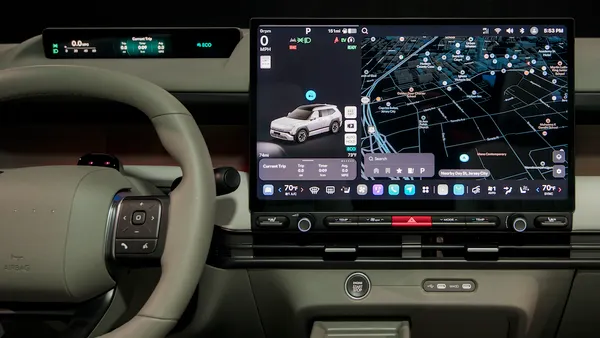
In March, BMW also unveiled its new i3 electric sedan, the second EV to launch built on the Neue Klasse platform that Zipse said will underpin at least six new EVs models by 2030. The company said the i3 will deliver up to 30% greater driving range and 30% faster charging compared to the i4. The BMW i3 leverages all the technologies developed for the Neue Klasse from driving dynamics to powertrain, including a digital user experience, he said.
A long-wheelbase version dubbed the iX3 L, was unveiled at Auto China last month, along with the new i3 sedan. The iX3 L will be built at the BMW Brilliance joint venture factory in Shenyang, China, with local deliveries beginning this summer. The standard-wheelbase iX3 will also arrive at U.S. dealers this summer.
“The BMW i3 represents the progress of the BMW Group itself, from the systematic modernization of our production facilities through new ways of working that enable efficiency, scalability and our long-term competitiveness,” Zipse said on the earnings call.
Zipse said the i3 will have a reduced production cost of 10% at the Munich plant compared to current levels once full customer deliveries begin.
BMW reported deliveries of over 87,000 all-electric vehicles globally in Q1, accounting for 15.5% of its global sales volume in the quarter. Sales of electrified vehicles, which include both EVs and plug-in hybrids, reached approximately 133,000 units in the quarter, accounting for 23.4% of BMW’s Q1 sales volume, the automaker reported in its March 31 quarterly statement.
Mertl said on the earnings call that BEV order intakes increased over 60% year-over-year in Europe, driven by the iX3.