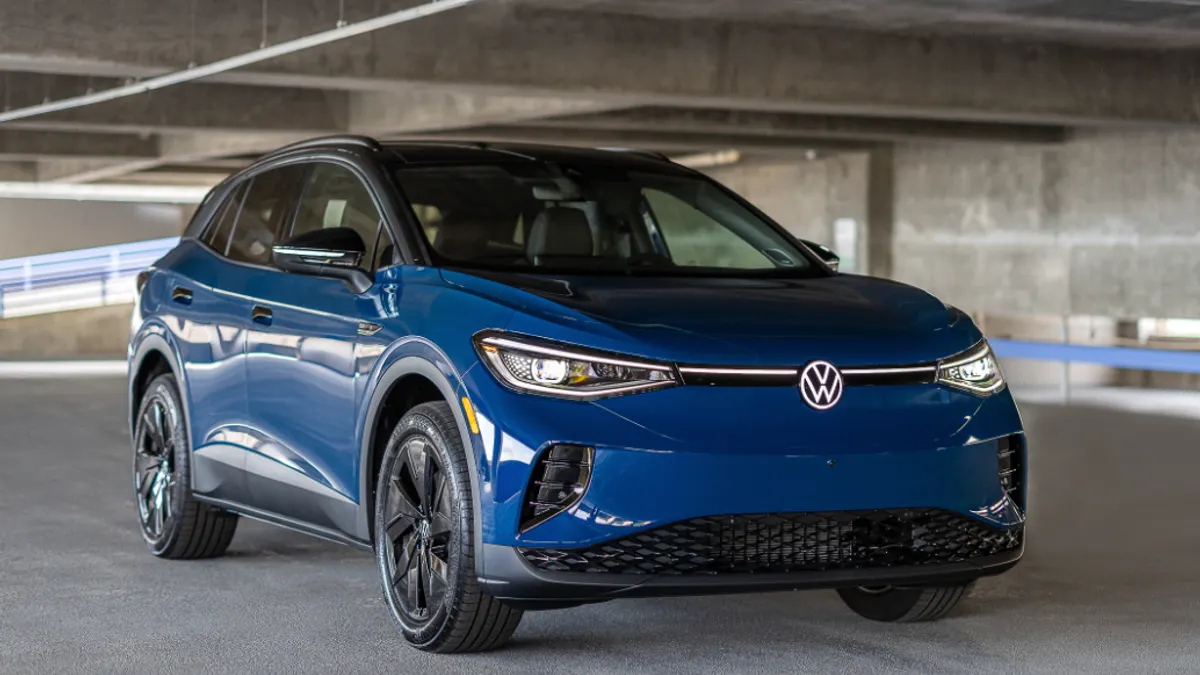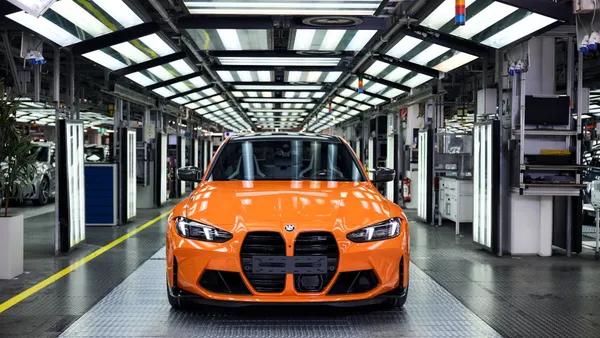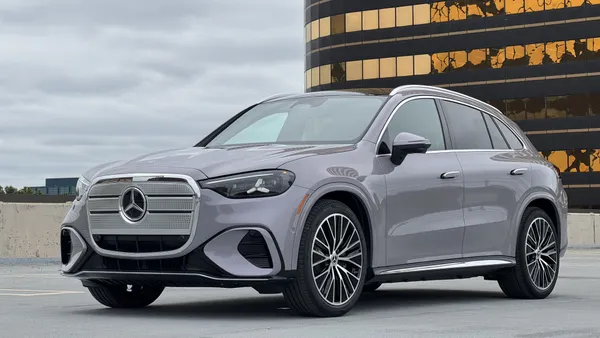
Volkswagen Group has confirmed it plans to halve its global model lineup and refocus its North American operations around SUVs, pickups and what it terms “rugged vehicles.”
It’s part of a far-reaching restructuring program described as the most extensive in the German automaker’s 89-year history. The newly approved Future Plan 2030 also calls for around 50,000 additional job reductions worldwide, sweeping changes to Volkswagen’s global engineering and manufacturing operations and a major reduction in planned investment.
For North America, the restructuring plan points to a more market-specific model strategy. An internal resolution document tabled to the Volkswagen Group supervisory board on Friday and obtained by WardsAuto says the company will reposition its namesake brand with a stronger U.S. focus, while Audi will strengthen its role as a premium SUV brand.
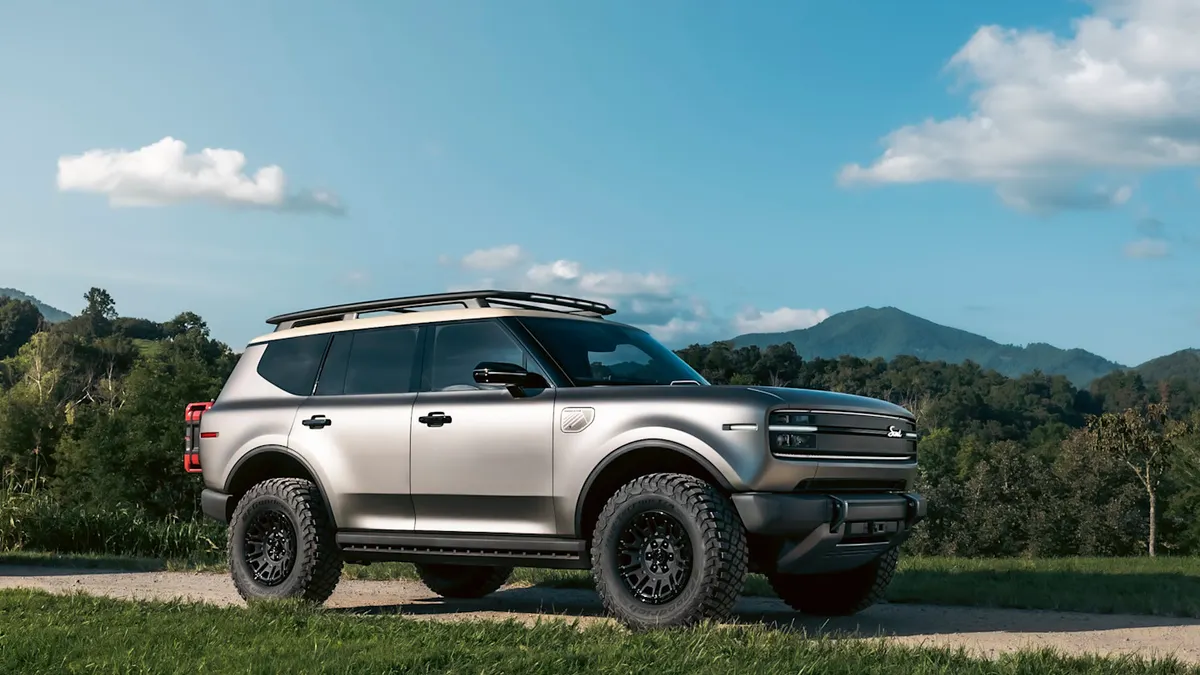
The newly resurrected Scout brand, which plans direct sales in the U.S. that bypass VW’s traditional franchises, is also identified as a key part of the North American region’s future growth strategy.
But there may be some support in the plan for getting VW more trucks — including a pickup that its dealer base has long requested. In a mission statement, future models sold in North America will be concentrated in segments offering the highest absolute profit contribution based on demand, pricing and margins, with what the document describes as a “clear focus” on SUVs, pickups and rugged vehicles. Locally tailored models and North America-specific derivatives are to receive greater priority.
Volkswagen is also evaluating the development of its own rugged vehicle models. A more detailed North American strategy, including the future positioning of Scout, is due to be presented to Volkswagen's supervisory board on Sept. 25.
Controlling VW’s product sprawl
At the center of the strategy is a fundamental rethink of the Volkswagen Group’s sprawling global vehicle line-up.
By 2035, the number of models offered across its ten-strong brand portfolio is planned to be reduced by around 50%, while overall product complexity is planned to be reduced by 75%.
Volkswagen says concentrating investment on fewer models will enable it to achieve higher volumes for individual vehicles, reduce costs and create greater economies of scale. The move is also intended to lead to greater sharing of platforms, electronic architectures, software, driver-assistance systems and components between Volkswagen Group brands than is the case today.
It represents a reversal of the expansion strategy pursued by the German automaker over previous decades, during which the automaker used an increasing number of brands, models, derivatives and technologies to cover almost every major segment of the global vehicle market, as a recipe for growth.
Future investment will instead be concentrated on what Volkswagen considers its most compelling models and most profitable market segments.
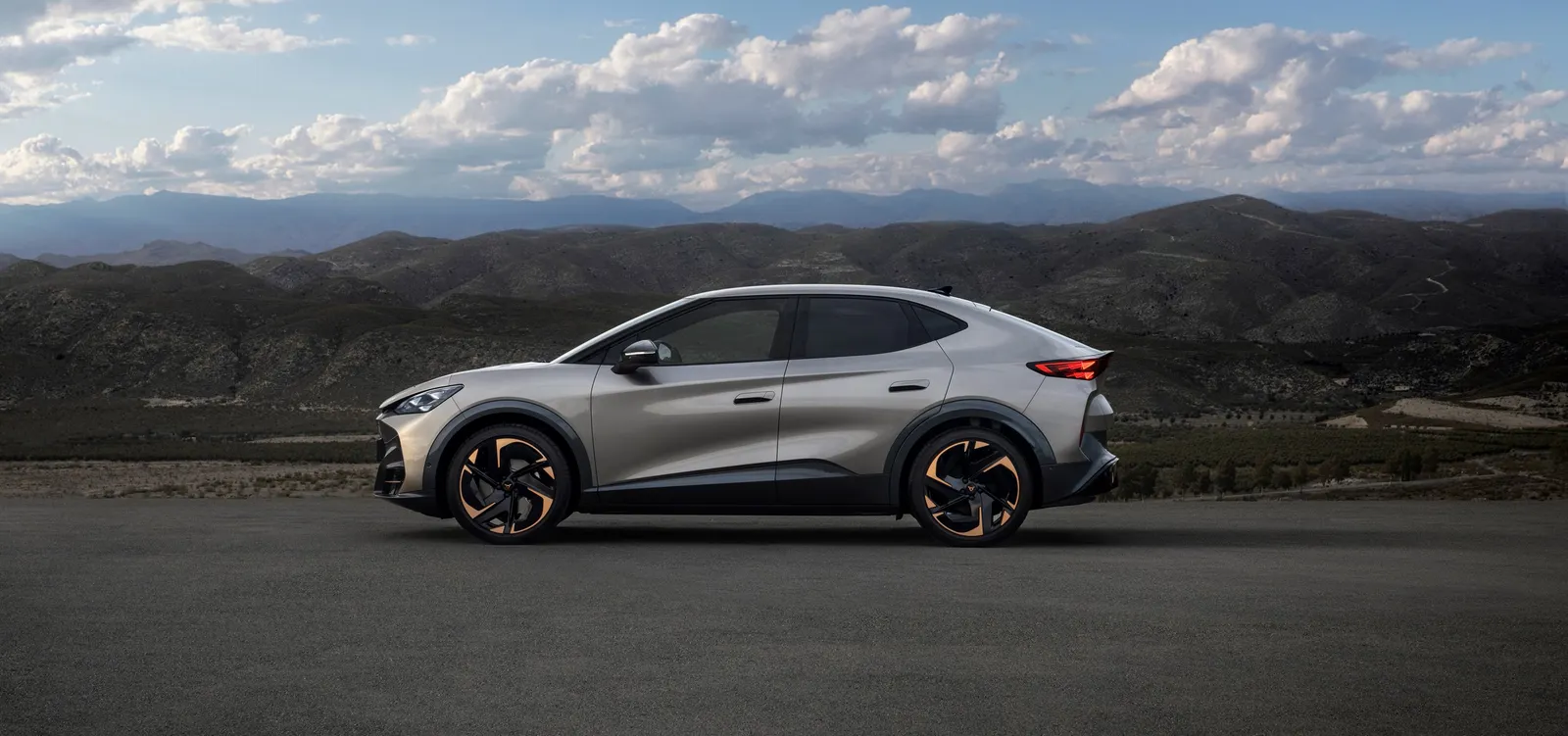
One of the first casualties will be Seat. The 76-year-old Spanish brand will be phased out by the end of 2029 at the latest, according to the resolution document, while Cupra will continue as an independent, growth-oriented brand.
The decision completes a strategy that began when Cupra was spun off from Seat as its own brand in 2018. Cupra has since broadened its vehicle range, become more premium, and overtaken its parent brand in sales.
The decision to make Cupra the long-term Spanish brand within the Volkswagen Group is also significant from a North American perspective.
Volkswagen previously planned to introduce Cupra to the U.S. in 2030, with a range of gasoline, plug-in hybrid, and fully electric vehicles, and in late 2024 began preliminary discussions with Penske Automotive Group over distribution. Those plans were subsequently postponed in 2025 amid changing market conditions, although Cupra stressed at the time that it had not abandoned the U.S. market.
The Future Plan does not provide a new timetable for Cupra’s U.S. arrival. However, Volkswagen's decision to wind down Seat while explicitly retaining Cupra as a growth brand gives the latter a much clearer long-term role within the group.
What else is on the VW chopping block?
VW plans not only to spend less, but to concentrate investment on fewer products rather than spreading development resources across the group's existing portfolio.
Volkswagen hasn’t yet identified which other models will disappear, but reducing the portfolio by 50% points to considerable consolidation across its brands during the next decade.
The changes extend beneath the vehicles as well.
Volkswagen wants to converge on just two principal electrical and electronic architectures for future EVs — its software-defined vehicle architecture and China Electronic Architecture — plus a separate architecture for future combustion-engine vehicles in Europe and North America.
Its forthcoming Scalable Systems Platform program is also being simplified, with the goal of spending less by developing fewer combinations of vehicles and technology. Eight planned variants are being reduced to four, with substantially greater component sharing between them.
Technical development is also set for a major restructuring, with greater responsibility handed to individual lead brands to develop systems for use elsewhere in the group.
This “one-for-all” approach is intended to eliminate duplicated engineering and shorten development times.
Volkswagen will simultaneously make greater use of AI, increase engineering activity at lower-cost locations and reduce the scale of its technical development operations.
The group’s software subsidiary Cariad is to be restructured as well, with its responsibilities significantly reduced. A detailed plan is due by the end of 2026, according to the internal resolution document.
Despite the cuts, Volkswagen says it will invest a “three-figure billion” euro sum in new products, technologies and future growth areas over the coming years.
Its new target is 135 billion euros ($157 billion) in capital expenditure and research and development spending between 2027 and 2031. This represents a substantial reduction against previous planning. The Volkswagen Group plans to cut around 50 billion euros from earlier investment and R&D assumptions over five years.
Underlying all the changes is a more conservative assumption about the company’s future size. Volkswagen currently employs around 663,000 people worldwide and operates 111 production facilities.
Management itself is also being reorganized. Volkswagen intends to introduce leaner leadership structures, clearer accountability and shorter decision-making chains, accompanied by a new performance and bonus system.
Fewer products, more ambition — U.S. included
The group is planning annual sales of 9 million vehicles by 2030, rather than relying on a return to the higher volumes achieved before the COVID-19 pandemic.
Its financial ambition is nevertheless considerably greater. Volkswagen wants to achieve an operating margin of 9% by 2030, equivalent to operating profit of approximately 31 billion euros.
For perspective, the group sold 9 million vehicles in 2025, generating revenue of 322 billion euros with an operating profit of 8.9 billion euros, down from 19.1 billion euros the previous year.
This makes Future Plan 2030 less about making Volkswagen bigger than extracting significantly more profit from roughly its existing sales volume.
For North America there is an additional dimension: Volkswagen is signalling that its global portfolio rationalization will not simply mean imposing a smaller European-developed model range for the region. Instead, this leaner strategy could actually mean more locally relevant SUVs, pickups, rugged vehicles, and hybrids — making North America increasingly distinct from the rest of Volkswagen's global operations.