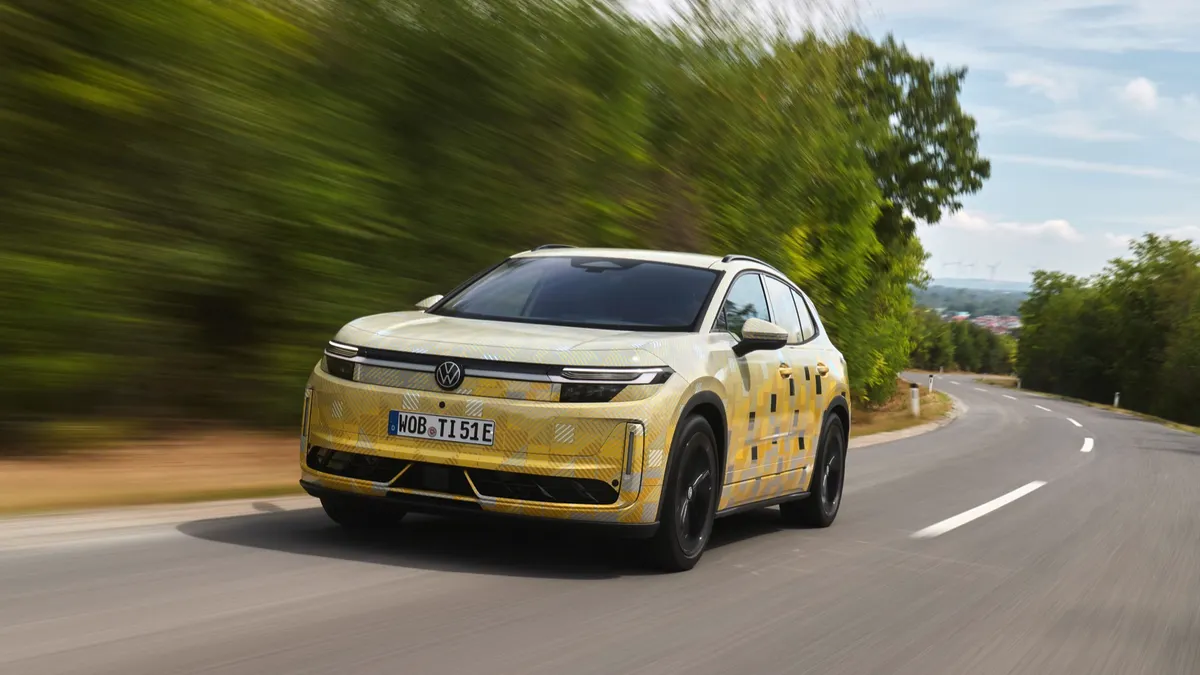
With the new look that made its debut Monday, along with a new Volkswagen ID. Tiguan badge replacing the ID.4, VW’s U.S.-bound electric crossover no longer looks quite so determined to advertise the fact that it’s an EV.
Ahead of its unveiling in early October, Volkswagen gave WardsAuto the opportunity to get into the ID. Tiguan driver’s seat for a spin in the pre-production prototype on roads outside Vienna, Austria.
What is already clear from a brief preview drive is that Volkswagen hasn't attempted to completely reinvent its mid-size electric SUV. Instead, it has concentrated on a few key areas where the ID.4 left the greatest room for improvement: styling, refinement, controls and everyday usability.
Although still camouflaged ahead of its unveiling, the change in design direction is extensive enough to show through — especially in the ID. Tiguan’s surfacing.
While the ID.4 was given flowing, rounded, and deliberately aerodynamic styling under former Volkswagen design chief Klaus Zyciora, the ID. Tiguan comes from a design team working under current Volkswagen design chief Andreas Mindt, giving it cleaner lines plus flatter, squarer lower bodywork and slimmer headlights set within a distinct frame, with a full-width light bar.
The basic proportions remain recognizable, but the ID. Tiguan has grown 1.7 inches in length. Volkswagen hasn’t yet provided full drivetrain specifications, but the prototype we drove was rear-wheel drive, with power delivered by a rear-mounted electric motor. Further variants, including a dual-motor 4Motion all-wheel-drive model, are planned.
This electric SUV family is expected to offer a choice of either a 58-kWh LFP or 77-kWh NMC battery pack, with the European-market WLTP range stretching to as much as 373 miles. With the shift to MEB+ platform components, the ID. Tiguan should offer charging improvements versus the ID.4’s underpinnings.
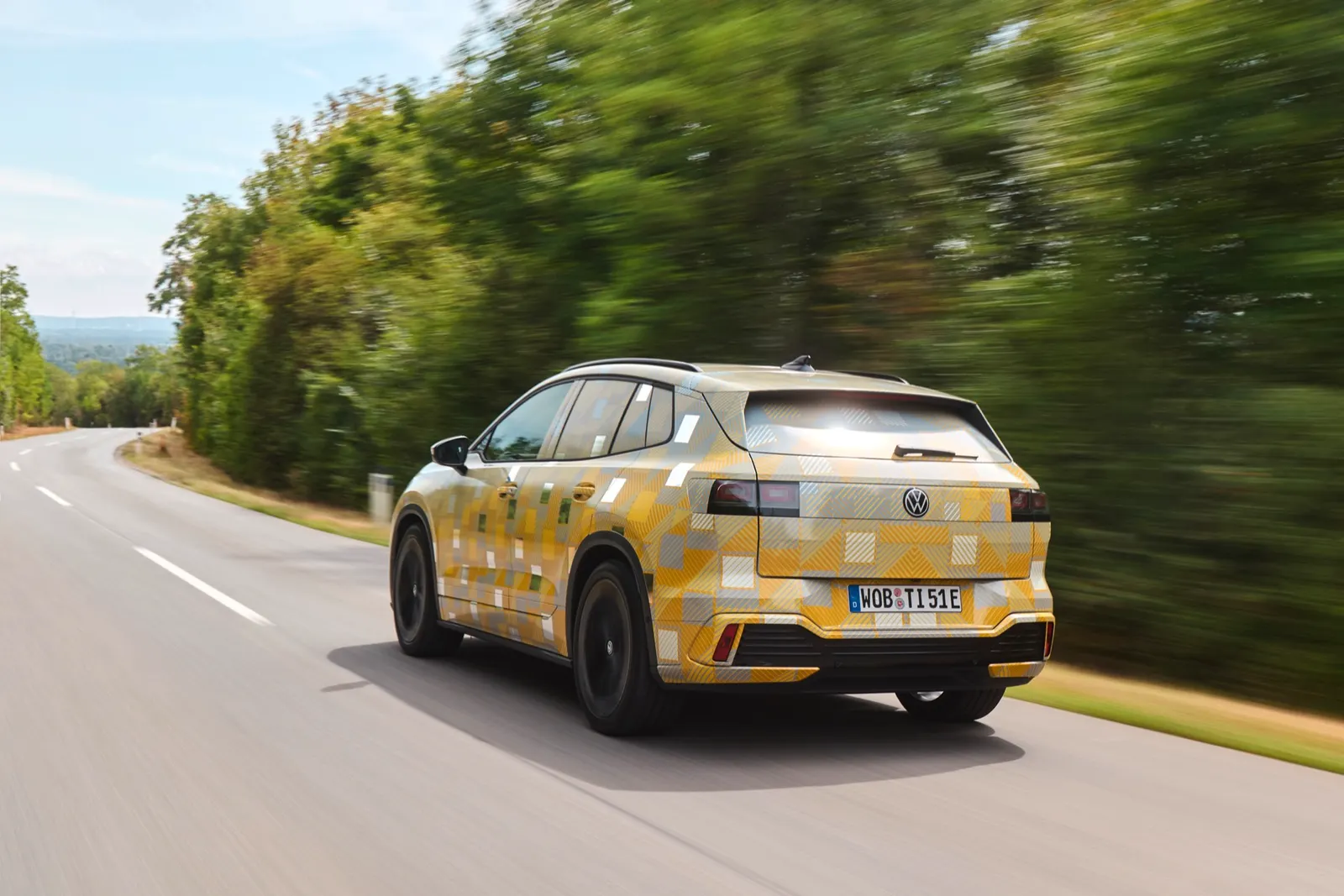
On the road, the changes are more about refinement than outright performance and suggest an extensive retuning of ride and handling. Our prototype was also fitted with Volkswagen's optional Dynamic Chassis Control adaptive dampers — an option that had been offered on Europe-market ID.4s but not in the U.S. The differences between the softer and firmer settings aren't dramatic, although the underlying ride is sufficiently composed that many buyers may find little reason to venture toward the firmer end of the adjustment range.
The ID. Tiguan feels quieter and more settled than the ID.4. Our prototype rode on large wheels yet dealt impressively with broken pavement, absorbing sharp impacts without introducing unnecessary movement into the body.
The steering is light but accurate, with reassuring stability at highway speeds. This isn't an electric SUV chasing sporting credentials. Volkswagen has instead concentrated on comfort, predictability and ease of driving — qualities that suit the Tiguan particularly well.
The ID. Tiguan also gets a new one-pedal driving mode. Lift off the accelerator and regenerative braking builds progressively before bringing the car smoothly to a complete stop.
Much has changed inside versus ID.4
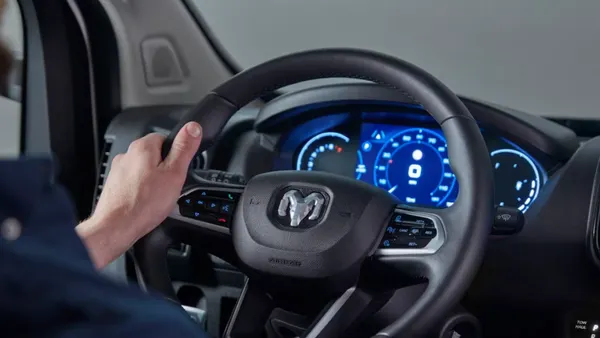
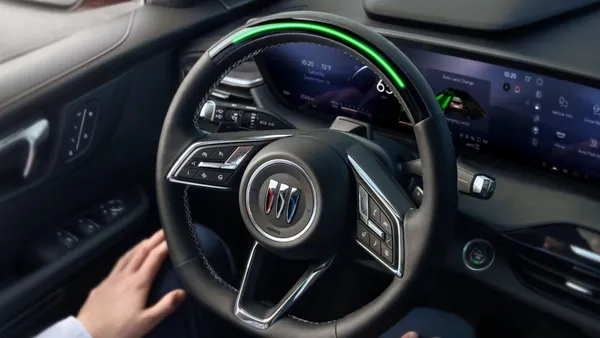
Just as significant is what Volkswagen has changed inside. The ID.4's fiddly, touch-sensitive steering-wheel controls have been replaced by physical buttons, while a bank of conventional switches appears beneath the 15-inch center display. Even the exterior door handles have returned to a traditional pull arrangement.
Much of the prototype's dashboard remained covered, but these relatively simple changes make the ID. Tiguan easier to operate than the ID.4. The driving position and visibility remain familiar, though.
For the U.S., the transition comes with an important manufacturing change.
WardsAuto has been told by Volkswagen representatives that the U.S.-bound ID. Tiguan models are set to be exported from Volkswagen's Emden plant in Germany, rather than being produced in Tennessee.
Final U.S. specifications, launch timing and pricing are all yet to come — sometime after the debut.