

Volvo Cars reported its global sales slump continued in the third quarter of this year, dropping 10.7% compared to the same period in 2025.
The Swedish automaker said it delivered a total of 141,609 units for the quarter, following on from its Q2 sales data showing a 5.6% year-on-year decline in global sales.
Sales during Q3 were hit by deterioration in the China market, where industry volumes remained under significant pressure, as well as a slower-than-expected recovery in the U.S., the company said in its Oct. 2 release.
However, results in Europe remained strong, especially for the brand’s electric vehicles, which grew by 29% and accounted for 32% of all Volvo Cars sales in the region.
Meanwhile, sales of 90,548 were reported when combining both Europe and the rest-of-the-world figures, up 2% compared to the same period last year.
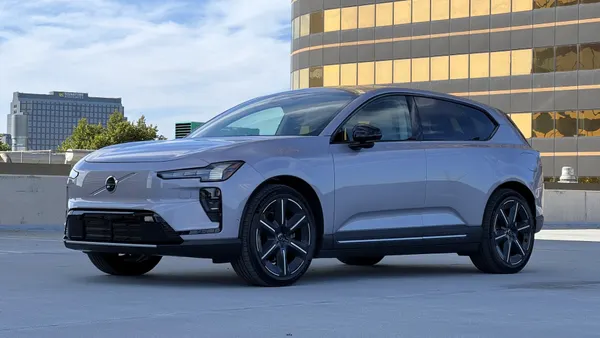
“In Europe, we continue to see strong demand for our new cars, led by the EX60 and our recently launched long-range plug-in hybrids,” said Erik Severinson, Volvo Cars’ chief commercial officer.
Yet, sales fell in the Americas region to 30,777 cars, a 14% decline YoY. Weak consumer sentiment, increasing pressure from rivals in the SUV segment and a high comparative base, set by the expiration of government subsidies a year ago, were cited as the main causes.
Sales were also impacted by the slow recovery in demand for fully electric and plug-in hybrid cars, the company said in its statement.
In the Greater China region, the automaker delivered 20,284 vehicles, a slump of 40.6% compared with the same period last year.
Volvo Cars blamed a price war orchestrated by China’s domestic automakers on top of a “subdued macroeconomic environment.”
China’s premium car market as a whole remained challenged, recording a double-digit decline in volumes, the automaker said.
“The market downturn in China showed no signs of easing, and the recovery in the U.S. premium segment remained below our earlier expectations,” said Severinson. “This impacted our third-quarter sales, and the same challenging market conditions have led third-party analysts to lower their sales forecasts for the premium car market for 2026.”