Editor’s note: John McElroy is the president of BlueSky Productions, which produces Autoline Daily, and a longtime opinion columnist for WardsAuto. Views expressed here are his own.
In the industry’s jargon, it’s called “reman,” or remanufacturing. It’s a part of the automotive industry that doesn’t get much attention, which is rather odd because it is a highly profitable business and good for the environment.
At a time when affordability is such a big issue for the auto industry, remanufacturing can play a big role in lowering the costs of maintaining and repairing cars. Automakers have an opportunity to make significantly higher profits by leveraging their aftersales business. But that means keeping remanufacturing in mind when they design new cars, and that pretty much doesn’t happen today.
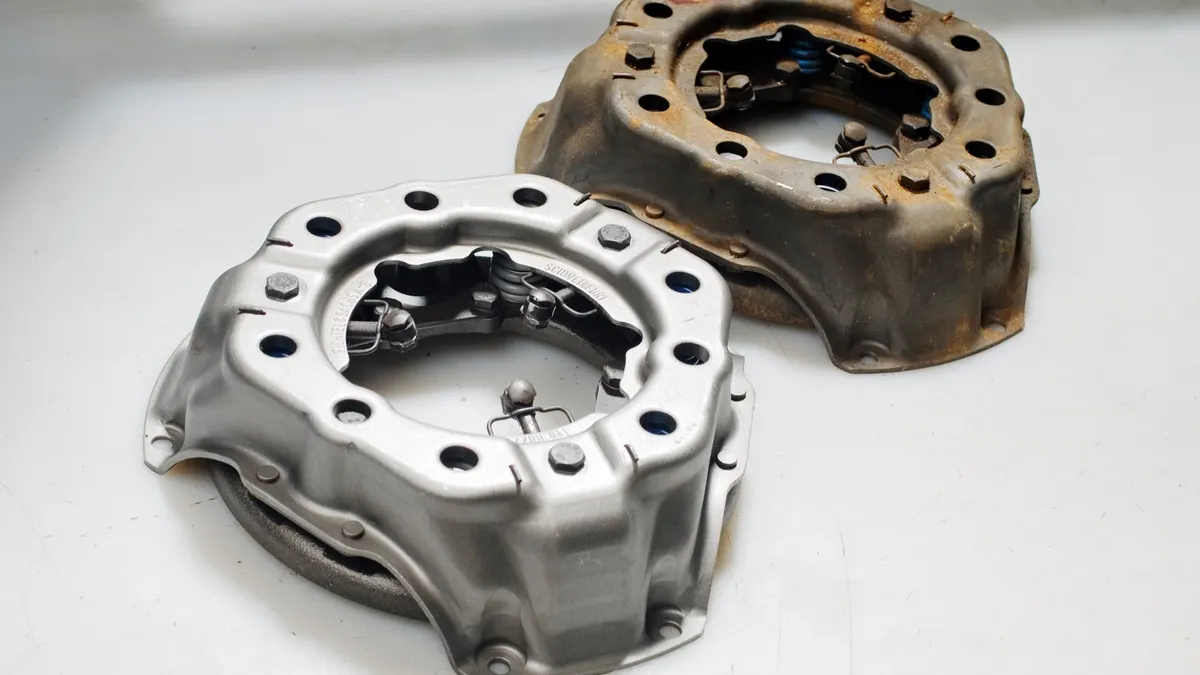
Remanufacturing is about taking used parts and components and making them as good as new again. This is not about cleaning up or repackaging a product, it’s about completely stripping it down and rebuilding it.
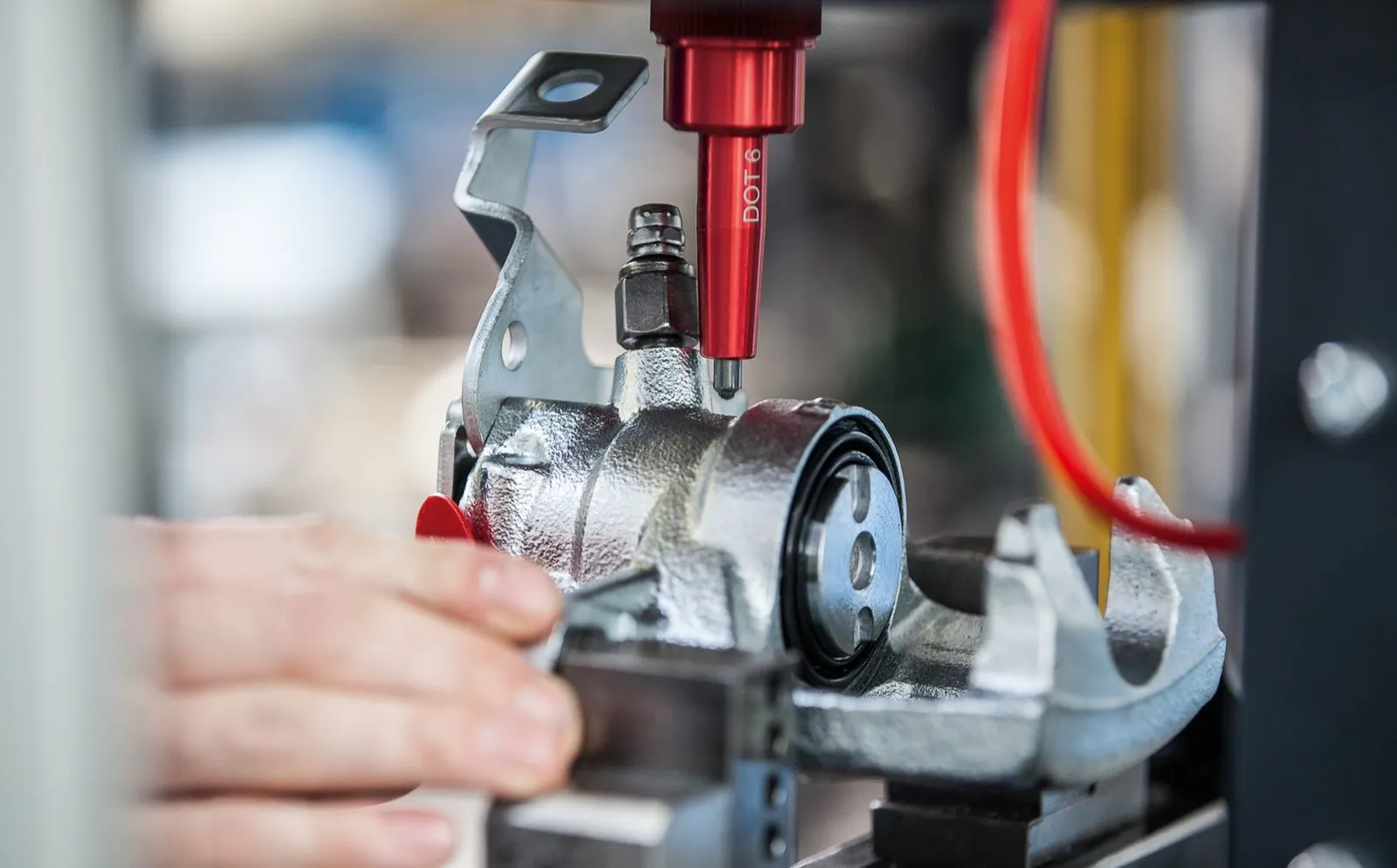
Just about everything in a car can be remanufactured. Some of the most popular parts include engines, transmissions, alternators, brake calipers, turbochargers and electronic control units. And that’s just in the auto industry. Plenty of other industries remanufacture products, including everything from medical devices, to computers, to furniture. Though prices can vary widely, remanufactured products typically cost 25% to 50% less than new ones.
Another attraction is that reman parts have a much lower manufacturing carbon footprint than new ones. For example, ZF says the carbon footprint of the Class 8 air compressors that it remanufactures is 60% lower than a brand new one. That’s because remanufacturing retains the “embedded energy” that went into making the part in the first place.
“We were green before it was cool to be green,” Jeff Stukenborg, Head of Global Reman Engineering at ZF, told me.
The savings comes from not having to cast, stamp or machine new aluminum and steel parts. It also comes from salvaging chips from circuit boards, and rare earth minerals from electric motors. Re-using parts is much more cost- and energy-effective than making new ones.
Some remanufacturing companies are very diligent and meticulous about their work. Others, not so much. Automakers rely on the highly qualified reman companies.
I recently visited ZF’s remanufacturing plant in Illinois that primarily remans 8- and 9-speed automatic transmissions. These transmissions come from car dealers and salvage yards. They are fully disassembled, thoroughly cleaned, intensely inspected, and get all-new gaskets and seals. Any worn parts are replaced, and if there have been any updates since it was first manufactured, it gets the updated parts. Each transmission goes through a thorough seven-minute-plus test, and it gets painted. When the reman process is done, the transmission looks brand new, is actually as good as new, and comes with a two-year warranty.
With the average age of vehicles in the U.S. approaching 13 years old, automakers want to keep service parts in production much longer than they did in the past. And remanufacturing can play a key role in making that happen, because it brings old parts back to life again.
Service parts are extremely profitable for automakers. A well-known Wall Street analyst privately told me that one of the largest U.S. automakers makes 20% of its earnings before interest and taxes profit (EBIT) from service parts. That’s about $2 billion a year. And many of those service parts are remanufactured ones.
Automakers could make reman parts even more profitable if they’d do one thing: design their new cars for disassembly and remanufacturing. That pretty much doesn’t happen today. Engineers are rewarded for making it easier to assemble cars and reducing labor hours in assembly plants. It’s called DFMA, design for manufacturing and assembly.
But what goes together easily in the assembly plant can be a time-consuming and frustrating process when it comes to removing those components and taking them apart. For example, the biggest complaint I’ve heard from EV battery recyclers is just how difficult it is to remove the batteries from their battery packs. It makes the process much more expensive.
If you talk to any tech at a dealership or independent repair shop, they’ll tell you that automakers could make servicing cars much easier and less expensive if they’d only design them so parts could be removed and repaired more easily.
What we need is reverse DFMA, and engineers have to be tasked with and rewarded for doing it.
Look, this is not about making a tech’s work easier. It’s about making money. A car that’s easier to service will get back in the customer’s hands faster and at lower cost, boosting customer satisfaction and retention.
Since remanufactured parts have a price advantage, dealerships could leverage that to capture more service business and sell more service parts, which in turn could generate higher profits for automakers.
It’s a beautiful cycle, and yet I’ve never, ever heard a car company CEO talk about service parts or remanufacturing. Maybe it’s just not a sexy part of the business. But it’s a highly profitable one, with great growth potential, and one that’s just begging to be “discovered.”