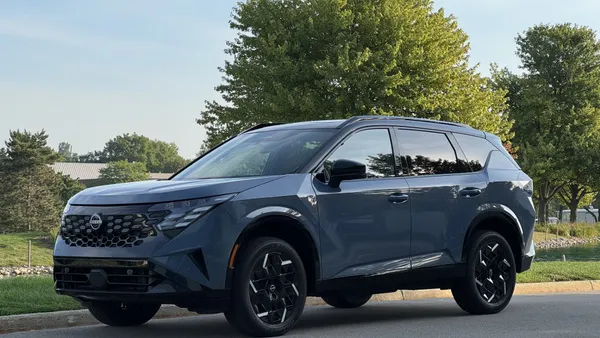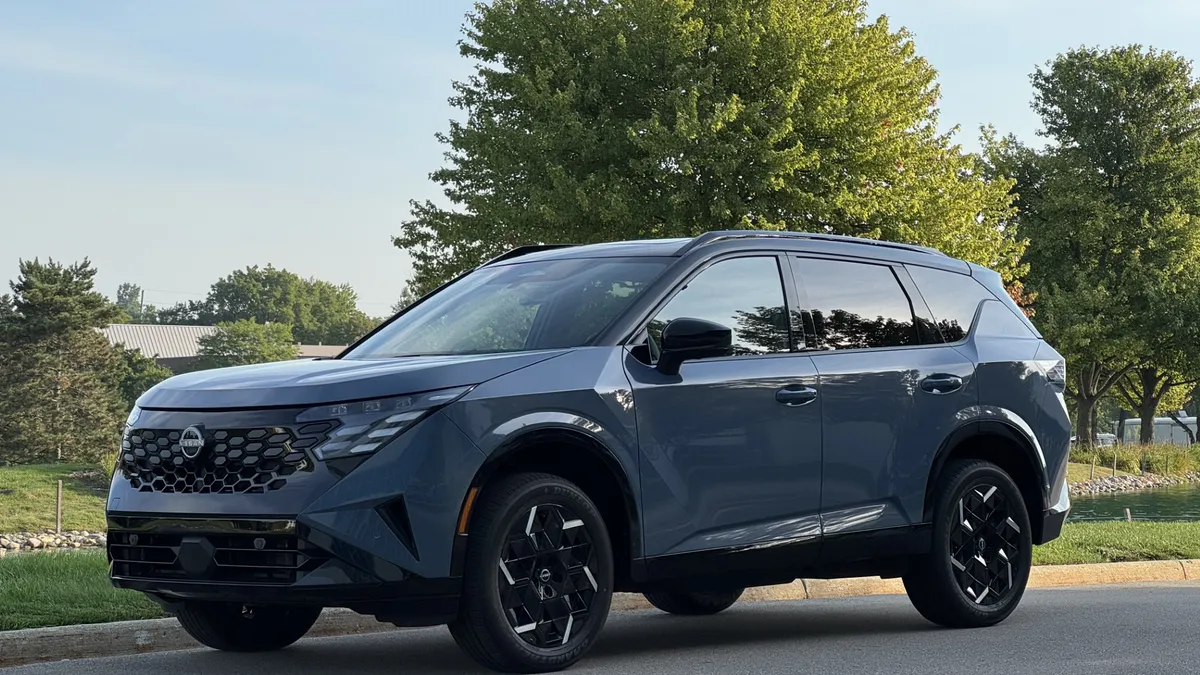
The 2027 Nissan Rogue Hybrid is unique among the winners on our 2026 Wards 10 Best Engines & Propulsion Systems list. In fact, it is very different than most other electrified powertrains in general.
It’s a series hybrid. In this setup there is a turbocharged 1.5-liter inline 3-cylinder engine. functioning as a generator, sending electricity to two electric motors that power all four wheels. A small, 1.67-kWh lithium-ion battery serves as a quick-charge/discharge buffer. The system, dubbed e-Power and now in its third generation, has been sold in some 2 million Nissan vehicles globally prior to its U.S. introduction.
"The engineers at Nissan have done a very clever thing with their e-Power hybrid system,” said juror Gary Vasilash. “Rather than replicating approaches taken by competitors, they developed a way to create a hybrid setup — with the engine functioning as a generator to provide electricity for the front and rear motors — that has the smooth performance of a full electric vehicle."
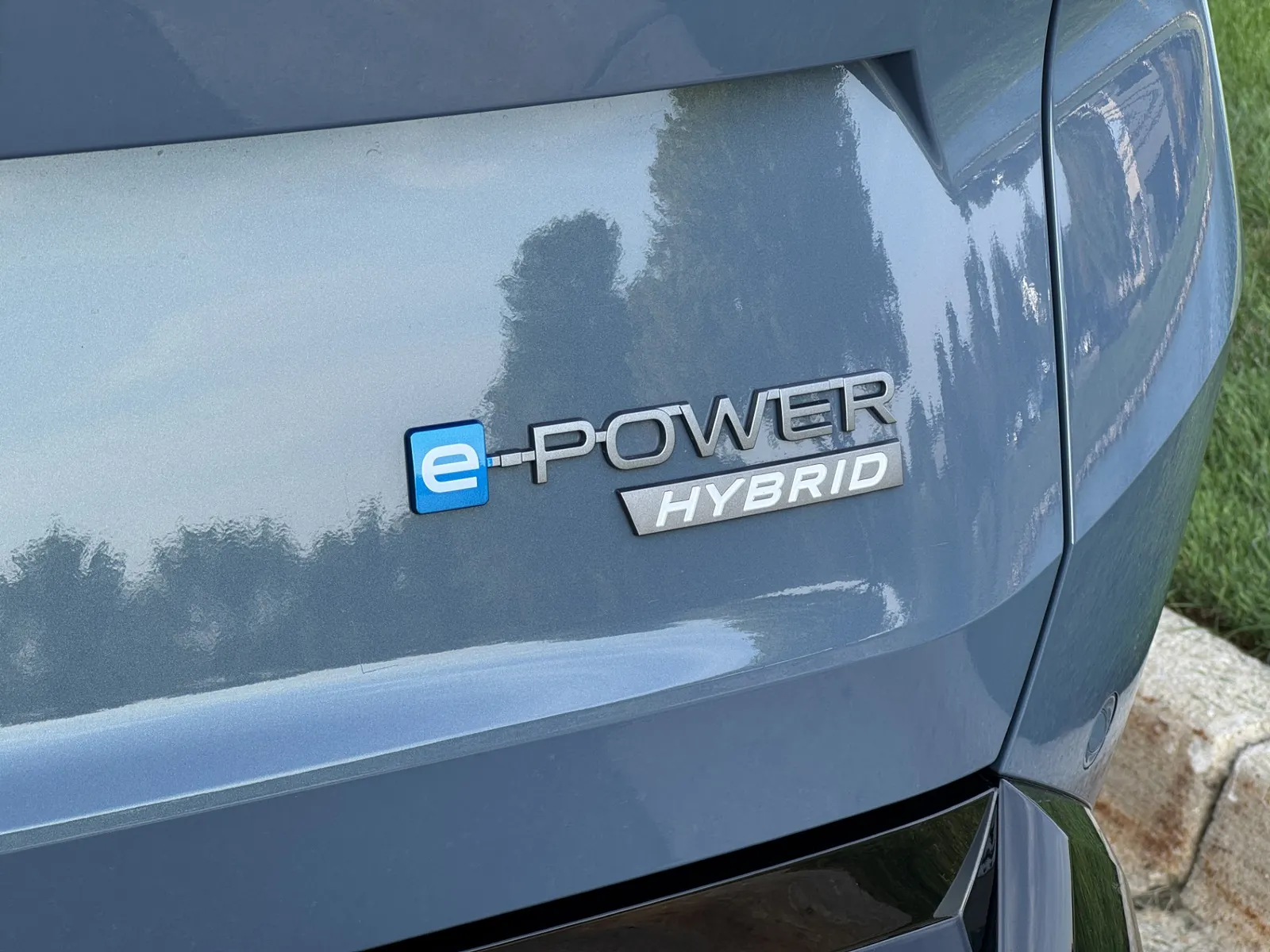
While typical parallel hybrid systems can use some combination of the internal-combustion engine and/or the electric motors to drive the wheels, that’s not the case with the Rogue Hybrid. The propulsion task is left to electric motors only. And unlike the now-shelved Chevrolet Volt that when depleted of a plug-in charge functioned mostly as a series hybrid, it never connects the gas engine independently and directly to the driven wheels.
Also of note: This is not a plug-in hybrid and there’s no charge port.
Under the hood, the Rogue Hybrid applies a number of technologies to maximize thermal efficiency of the gasoline engine to- spin the generator. Nissan says the ICE’s 42% thermal efficiency is class-leading in the U.S. market.
Nissan engineers use an engine designed to play the role of onboard generator, and a combustion strategy dubbed STARC — for Strong Tumble & Appropriately stretched Robust ignition Channel — to improve efficiency. Versus other engines designed to drive wheels, it employs a unique combustion chamber design, a specialized direct-injection layout and cold-spray valve seats enabling strong exhaust-gas recirculation, a long 100.1-mm stroke, a high 13:1 compression ratio, a larger turbo and a leaner fuel-air mix. It’s all about hitting the efficiency sweet spot at an engine rpm optimized to efficiently generate electricity.
The engine produces 148 hp and 171 lb-ft of torque, but what’s more relevant are the permanent-magnet electric motors that provide a combined 225 hp at the wheels. While maximum torque isn’t specified, the front motor is listed at 243 lb-ft while the rear checks in at 144 lb-ft. Nissan engineers caution that the total torque isn’t a sum of each motor’s output, but we noted plenty of EV-like punch to motivate the compact SUV from stoplights.
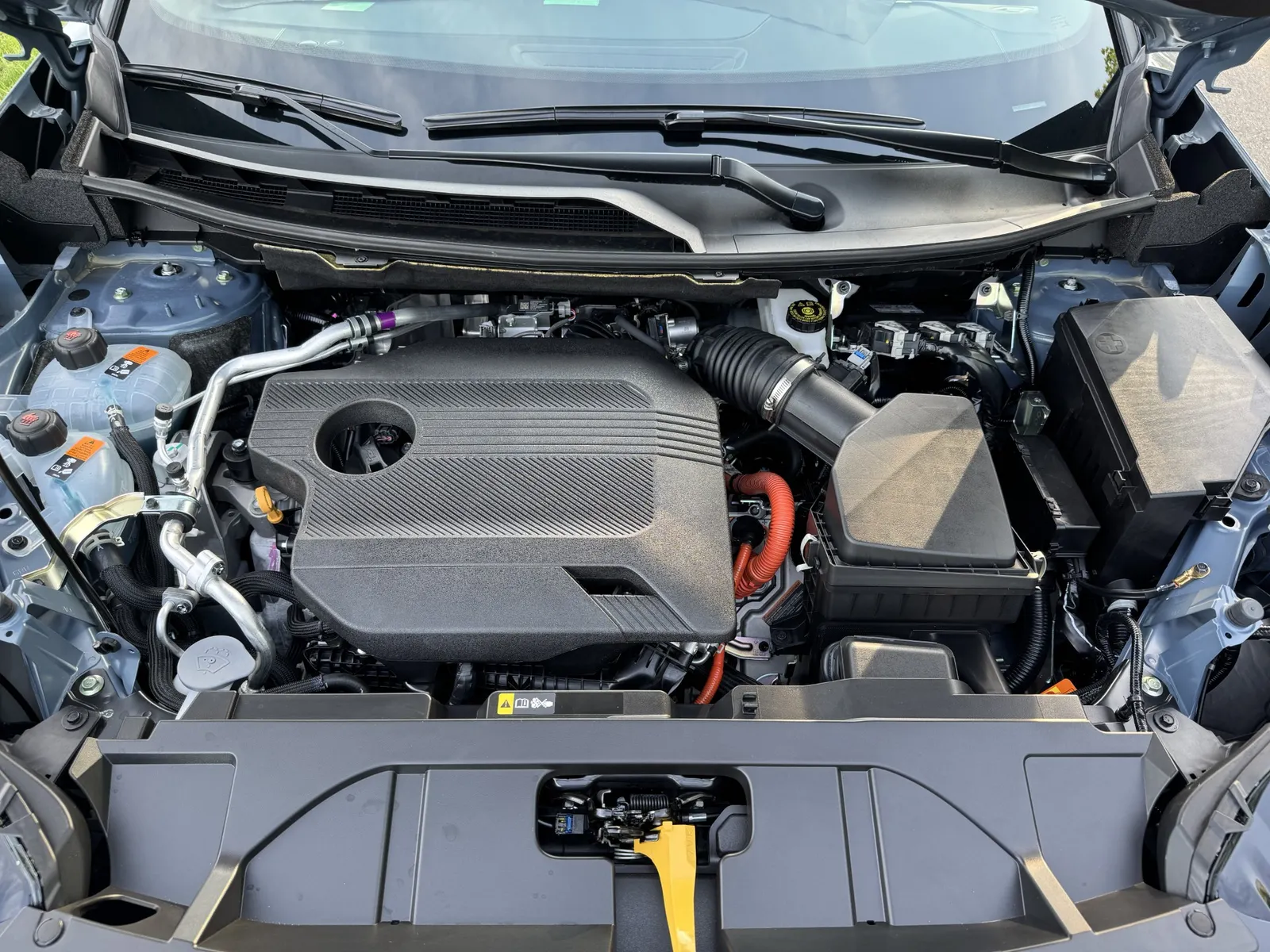
Nissan lists fuel economy of 40 mpg city, 36 mpg highway, for a combined rating of 38 mpg, up from 27 city, 32 highway and 29 combined for the standard all-wheel-drive Rogue powered by a 1.5-liter variable-compression turbo 3-cylinder producing 201 hp.
The latest e-Power system also employs Nissan’s 5-in-1 integrated electric drive unit, combining previously discrete parts — generator, drive motor, inverter, reducing and increasing gearing — into one unit. That reduces vibration, helping make the Rogue Hybrid exceptionally quiet and smooth in our test drives. Nissan also measures ambient cabin sound levels to decide whether to run the engine at higher speed to recharge the battery.
“It’s quite clever how Nissan makes use of cabin noise to determine whether it’s a good time to run the engine to charge the battery. Using a battery that’s on the large side for a standard hybrid gives Nissan that flexibility and helps keep the cabin exceptionally quiet,” said juror Robin Warner.
“Given that the Rogue Hybrid runs purely on electric propulsion, the smoothness of the powertrain indeed rivals other EVs, but one with zero range anxiety or requiring a change in any habits of a traditional ICE vehicle owner,” Warner added.
Our jurors appreciated the flexibility built into the vehicle’s one-pedal driving system, providing five levels of regenerative braking, including full-stop capability. The system combines with the Rogue’s Smooth Stop function to more precisely control the final phase of deceleration to eliminate abrupt stops common in BEVs.
Our Rogue Hybrid also earned kudos for being the least expensive model on this year’s list, with a base price of $37,065 and a sticker price of $43,065 as tested, including $1,575 for destination and handling.
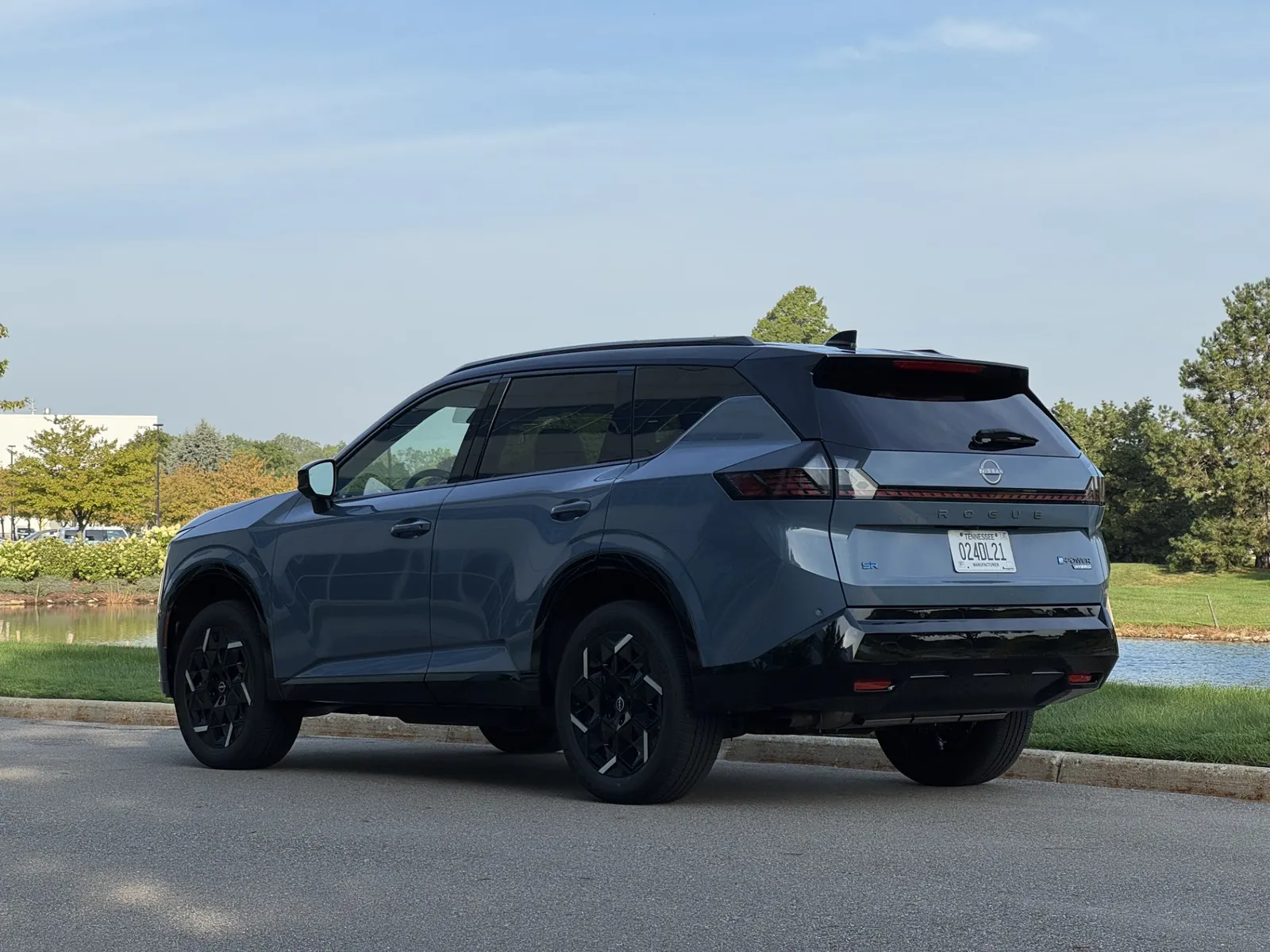
For buyers in the market for affordable, fuel-efficient — and often electrified — vehicles, there’s good news and bad news, said juror Drew Winter. The good news, he said, is there are new hybrid technologies that deliver great efficiency and are fun to drive. The bad news: it’s hard to understand how some of these systems work.
“Forget about all that,” Winter said. “All you need to know about the Nissan Rogue Hybrid with e-Power is it never has to be plugged in because a traditional engine generates the electricity for two powerful electric drive motors.”
Just keep the tank filled with regular-grade gas and you’re good to go.