

Volvo Cars announced that its global sales for the three month period from February through April were down 10% year-over-year, driven by flagging U.S. consumer sentiment and aggressive competition in China.
Vehicle sales for the period were 162,864 untis compared to 180,280 sold for these months in 2025, the company announced in its May 5 release.
All-electric vehicles saw a rise of 14% for the period with 39,235 units sold versus 34,441 in the same period last year.
The company's sales of electrified models, including electric and plug-in hybrid models, accounted for 48% of all cars sold during the three months. Each of the powertrain options accounted for exactly 24% of all cars sold for the period, said Volvo.
Meanwhile, hybrid and internal combustion vehicles saw the biggest percentage drop, slipping 16% to 85,078 units from 101,810 sold for the period in 2025.
Volvo said the automotive industry continues to face challenging market conditions which are reflected in its sales performance this year. This message builds on a 2025 income backslide cited in a Feb. 5 earnings report.
Deliveries in the U.S. continue to be hit by “record-low customer sentiment”, a slower recovery in fully electric and plug-in hybrid car sales following the expiration of purchase subsidies, and increased pricing pressure in the SUV segment, the company’s statement said.
Sales in China remained weak, with a “steep double-digit decline in overall industry volumes” in April owing to intensifying competitive pressure, especially from new domestic entrants, and a challenging macro environment.
“Under the current circumstances, we are focused on executing our strategy to improve in areas we can control as well as protecting our pricing position in important markets,” Erik Severinson, chief commercial officer, said in the company statement.
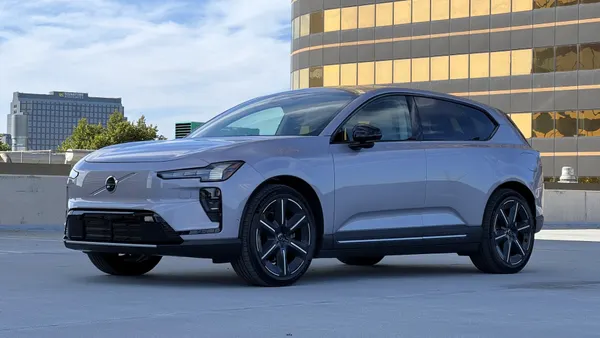
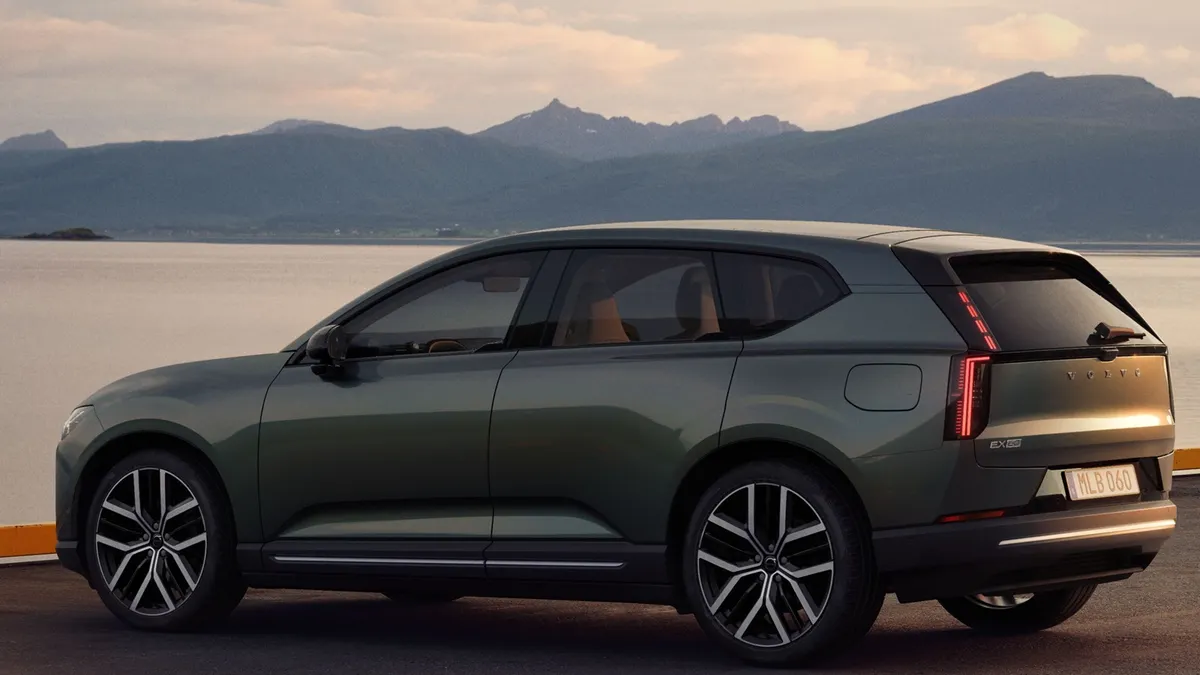
However, Volvo’s biggest sales region of Europe “remains resilient,” led by EV sales powered by the EX30 and EX40 models, he said. “As we begin first customer deliveries of the EX60 this summer, we will gradually ramp up production of the car, which will drive further growth during the second half of the year,” Severinson added.