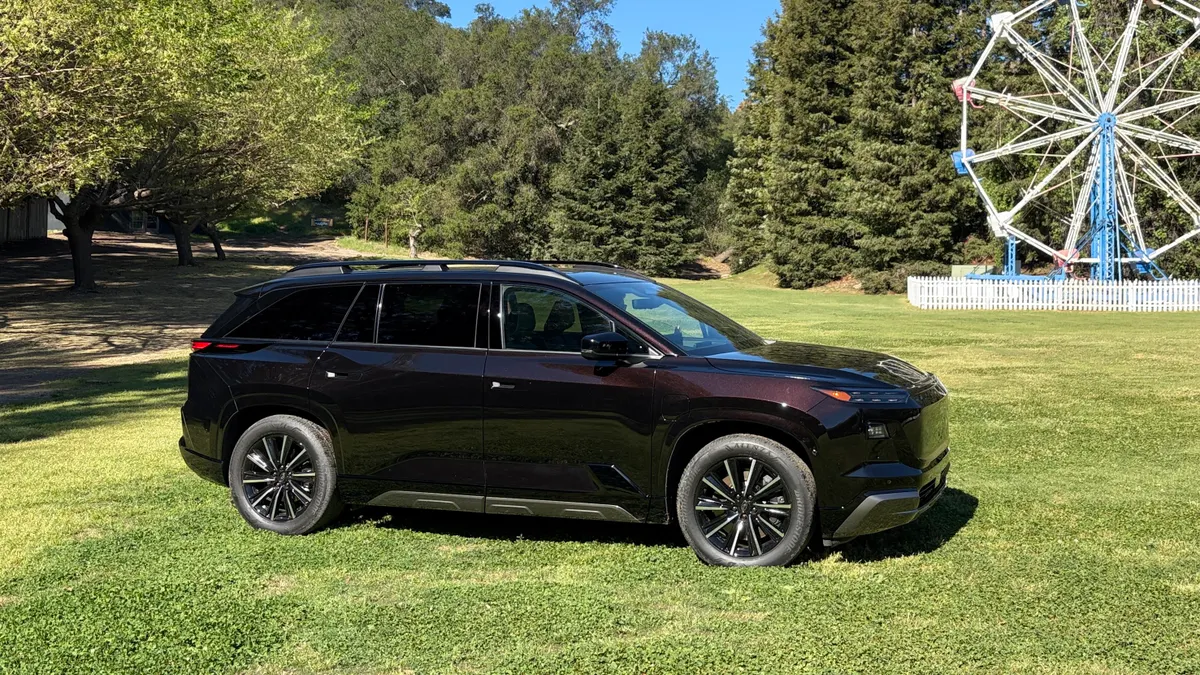
OJAI, Calif. — Toyota is bringing back the C-HR nameplate as a battery electric vehicle, but don’t look for a lot of familiarity.
The C-HR was discontinued in the U.S. and Canada after the 2022 model year due to poor sales. The reasons were evident: The 2.0-liter four-cylinder produced just 144 horsepower, and it lacked a hybrid version like its siblings sold overseas. Another contributing factor was the lack of all-wheel drive. There was also a problem with internal competition with the Toyota Corolla Cross, which had AWD.
However, Toyota has learned from its mistakes: The 2026 Toyota C-HR now offers standard dual-motor AWD with 338 combined system horsepower. It also has a lithium-ion battery with a total capacity of 74.7 kWh and an 11-kW on-board AC charger.
Developed from a compact BEV concept Toyota first presented in 2022, the new C-HR BEV is among the 21 electrified models in the U.S. Toyota lineup, and the third BEV available in the U.S.
It carries forward Toyota’s multi-pathway powertrain approach, with a variety of model choices available across its lineup to fit customers’ lifestyles, including BEV, hybrid, plug-in hybrid and fuel cell EV (California only) powertrains.
The compact SUV is available in two grades: SE and XSE. The SE grade offers 287 miles of range while the XSE offers 273 miles of range. The difference is due to wheel size — 18-ins. on the SE and 20-ins. on the XSE.
The C-HR is expected to arrive in U.S. Toyota dealerships in March. The Manufacturer’s Suggested Retail Price for the 2026 Toyota C-HR SE is $38,450, including delivery, processing and handling charges. The XSE starts at $42,500, including delivery, processing and handling charges.
Putting it through the paces
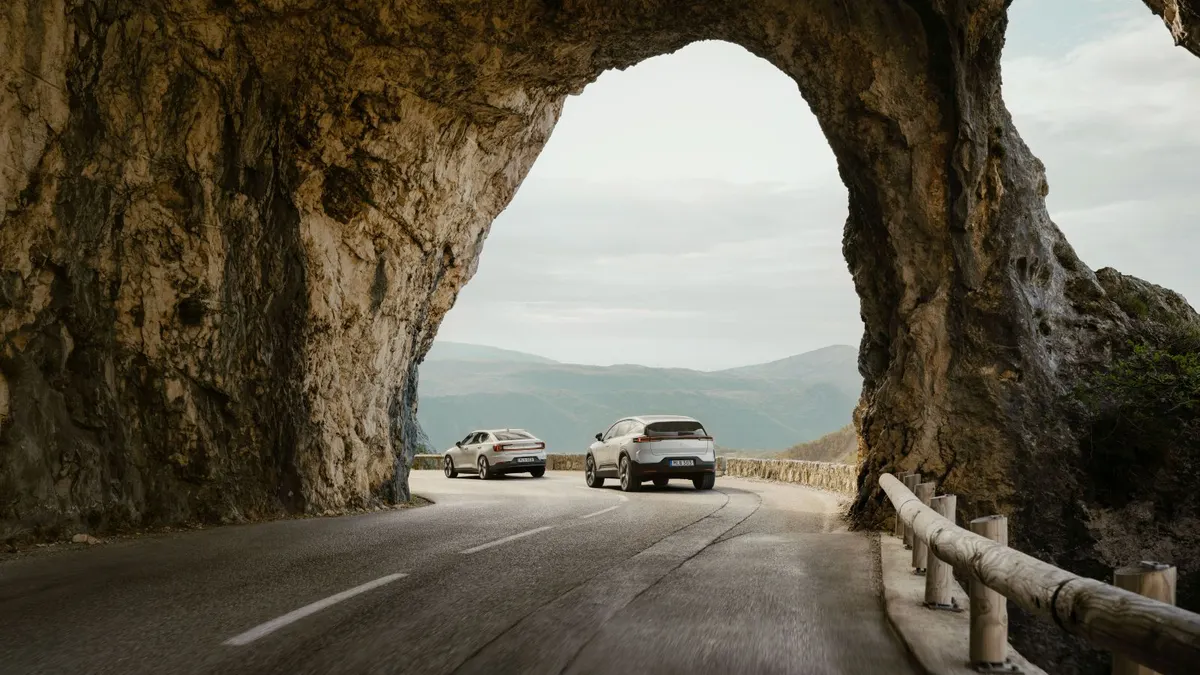
The automaker chose scenic, winding and mountainous California roads to show off the vehicle’s sporty underpinnings. The drive route featured dramatic views of the Topatopa Mountains and Lake Casitas via Highway 150 (Casitas Pass Road), which connects to nearby valleys.
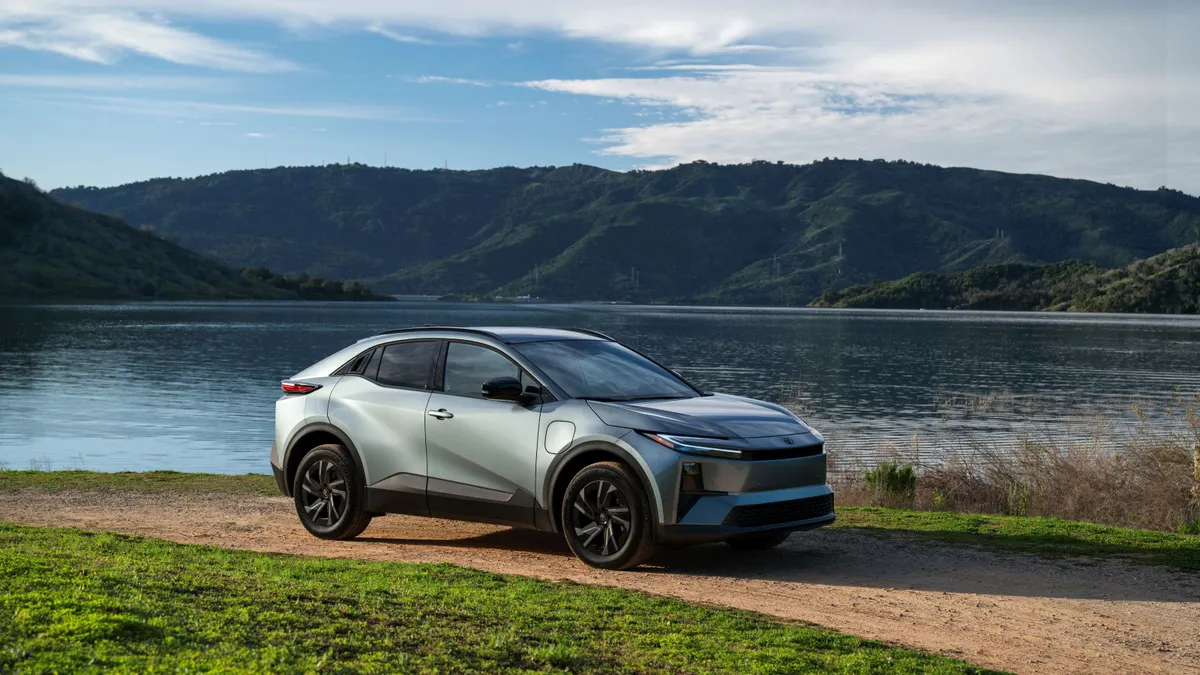
Compared to its BEV siblings (bZ and bZ Woodland), the C-HR with its coupe-like profile has a much more athletic look.
It handles accordingly on curvy roads, grabbing corners even on the larger 20-in. wheels. Toyota estimates a 4.9-second 0-60-mph time.
Built on the e-TNGA platform, it offers stable, agile handling with a low center of gravity. Key features include 4-level regenerative braking via paddle shifters,
“C-HR used to be a name which was positioned very differently,” said Mustafa Jawed, senior product sales and engagement trainer. “Now, instead of that entry-level vehicle, this is such a premium package.”
Practical, stylish and just a little quirky
DC fast-charging capability delivers 10% to 80% charge in about 30 minutes via a North American Charging Standard charge port.
The vehicle features a premium interior with soft-touch materials, customizable ambient lighting and a 14-inch touchscreen. One of the XSE’s exclusive features is a synthetic suede, which feels close to real suede.
Owners will appreciate thoughtful touches like cup holders in both front and rear doors large enough to hold an oversized 32-ounce water bottle.
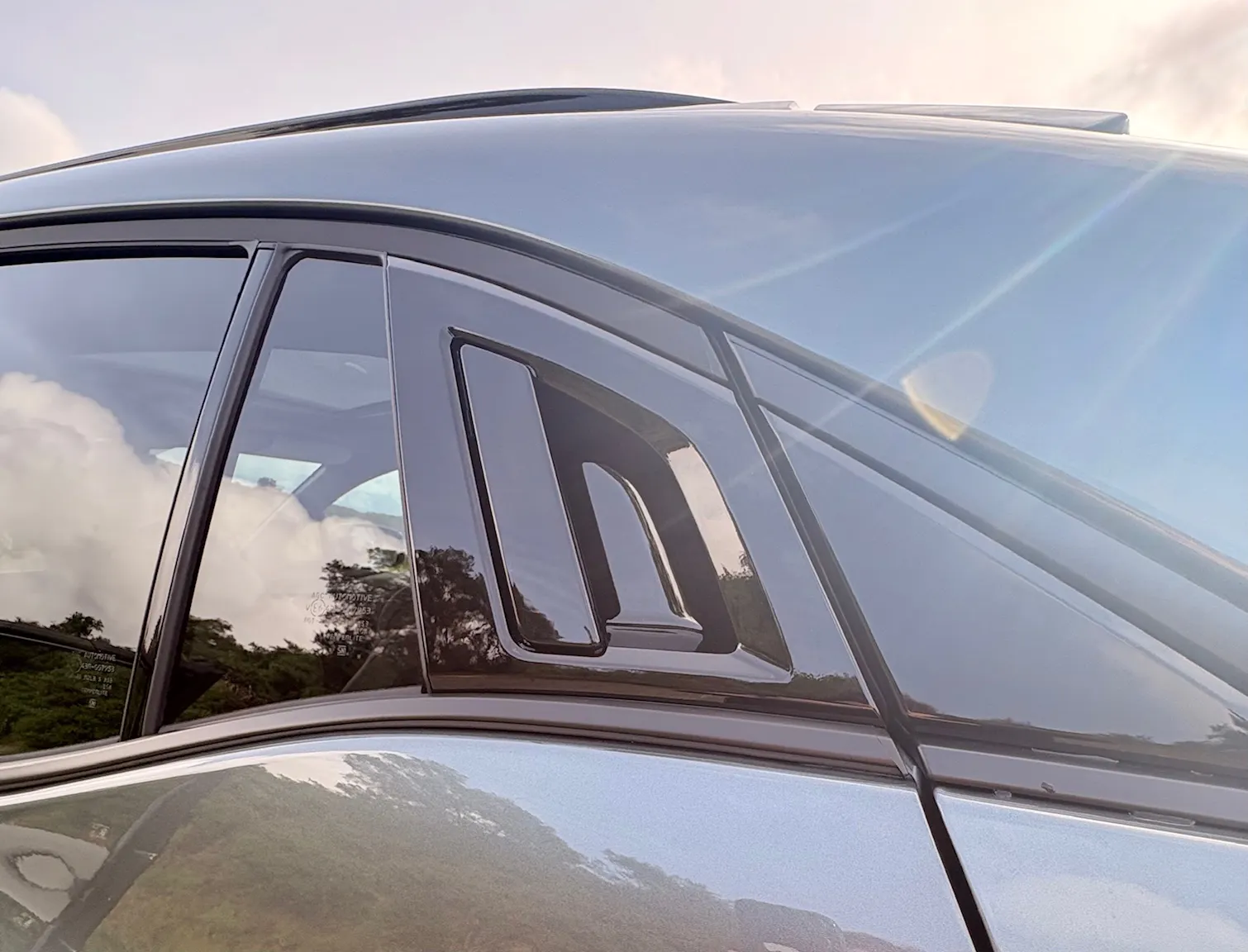
One element that was held over from the old C-HR is the rear door handle, which is uniquely integrated into the rear pillar (C-pillar) rather than located on the door panel itself.
The C-HR stands apart from Toyota’s other BEVs
The coupe silhouette is formed by Toyota’s signature hammerhead front end flowing into a compact cabin and angular rear.
The C-HR has a shorter wheelbase than sibling vehicles bZ and bZ Woodland, but still has the same battery capacity, said Masaya Uchiyama, chief engineer, midsize vehicles at Toyota.
The Toyota C-HR was co-developed with its twin, the Subaru Uncharted, Uchiyama says, but they are distinctive models.
“We work together to make a platform, and then we make Toyota’s own kind of car, like separate suspension tuning, that kind of thing,” Uchiyama told WardsAuto.
Toyota wants customers to do the braking
One thing you won’t find in any Toyota BEV is one-pedal driving. The feature in many EVs allows the driver to accelerate, decelerate and bring the car to a complete stop using only the accelerator pedal. Some customers say the system helps prevent driver fatigue.
“We're not using one-pedal system, because we want the customer to decide where they stop and where they go,” Uchiyama said. “With one-pedal it's kind of relying on the system when you stop. But for safety, we want customers to decide where to stop.”