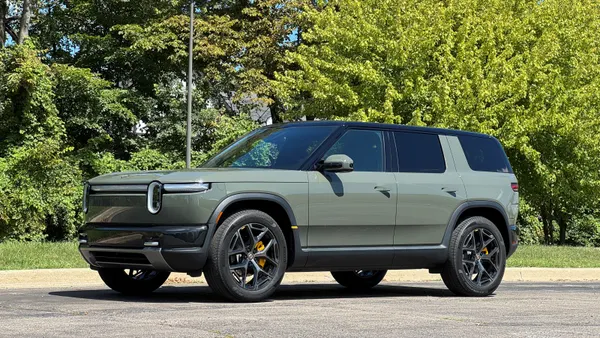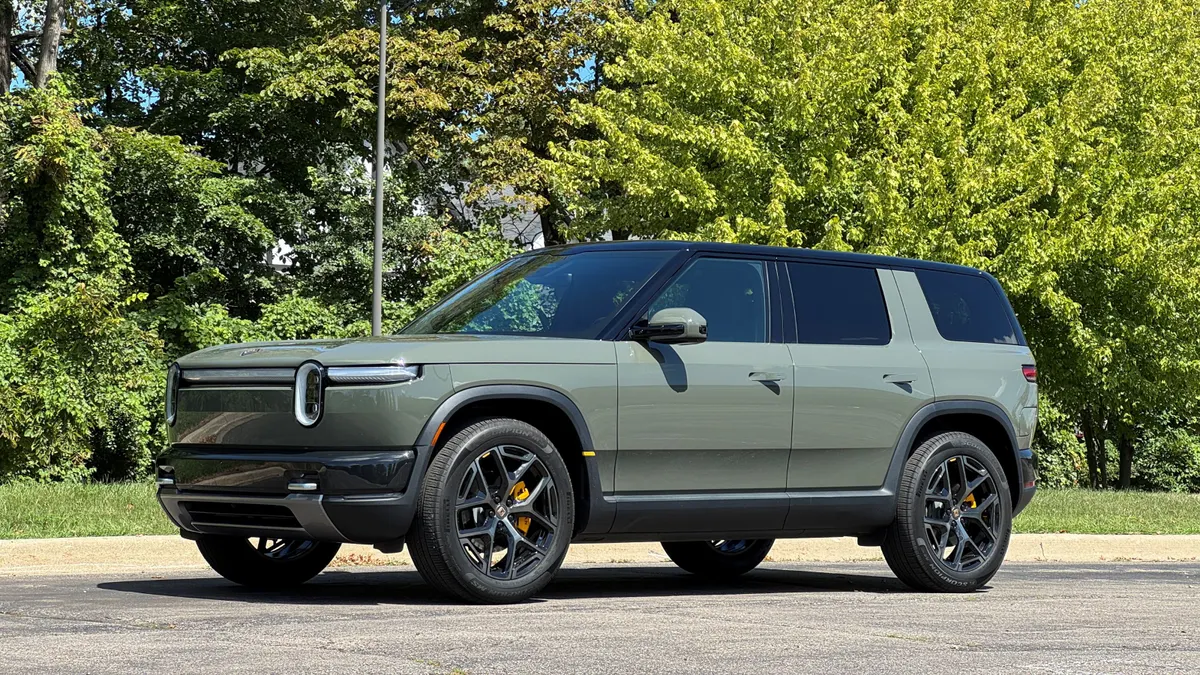
The Rivian R1 — both the R1S SUV and R1T pickup versions — became available in September 2021, and it would’ve been completely understandable if company CEO RJ Scaringe decided to simply make updates to those well-received fully electric vehicles for a while in order to amortize investments over a longer period. After all, those were the very first vehicles the company ever produced.
But instead, the company went to work on the just-launched Rivian R2, a midsize EV crossover that is so good from the start that it is a Wards 10 Best Engines and Propulsion Systems winner.
No small feat.
Clearly its propulsion system engineers — those working on the motors, batteries and electronics — are deeply committed to getting remarkable capability on the road quickly.
The R2 may resemble a R1S that has been reduced in size (the R1S is a full-size SUV), but it is a completely different vehicle in terms of the platform, propulsion system, battery, and more.
Rivian positions its vehicles as being for those who like to “adventure” in the great outdoors (it is building out its DC fast charging network under the moniker “Rivian Adventure Network”) and it engineers them to be able to go off-road. But statistically, most people are going to be taking their R2s on thruways, not trails.
Even though the dual-motor all-wheel-drive system in the Rivian R2 Performance provides the kind of torque useful in rock crawling — 609 lb-ft — it is also most helpful when merging onto freeways and accelerating from traffic signals, as Wards judges discovered during their testing. (Rivian’s performance number is 0 to 60 mph in 3.6 seconds. There is no reason not to believe it.)
“Crazy horsepower and torque,” noted juror Drew Winter on his score sheet.
The R2 Performance produces 656 hp, the combination of output of the two “Maximus” permanent magnet synchronous AC motors the company developed. (The R1 uses an “Enduro” drive unit, also an in-house development.) The Maximus is engineered to have higher power density than the Enduro, which means more horsepower and torque in a smaller package. It integrates the motor, inverter and gearbox into a single package.
And the setup costs some 30% less than an Enduro.
Cost-downs like that help the R2 Performance — the top trim — to have a starting MSRP of just $59,485.
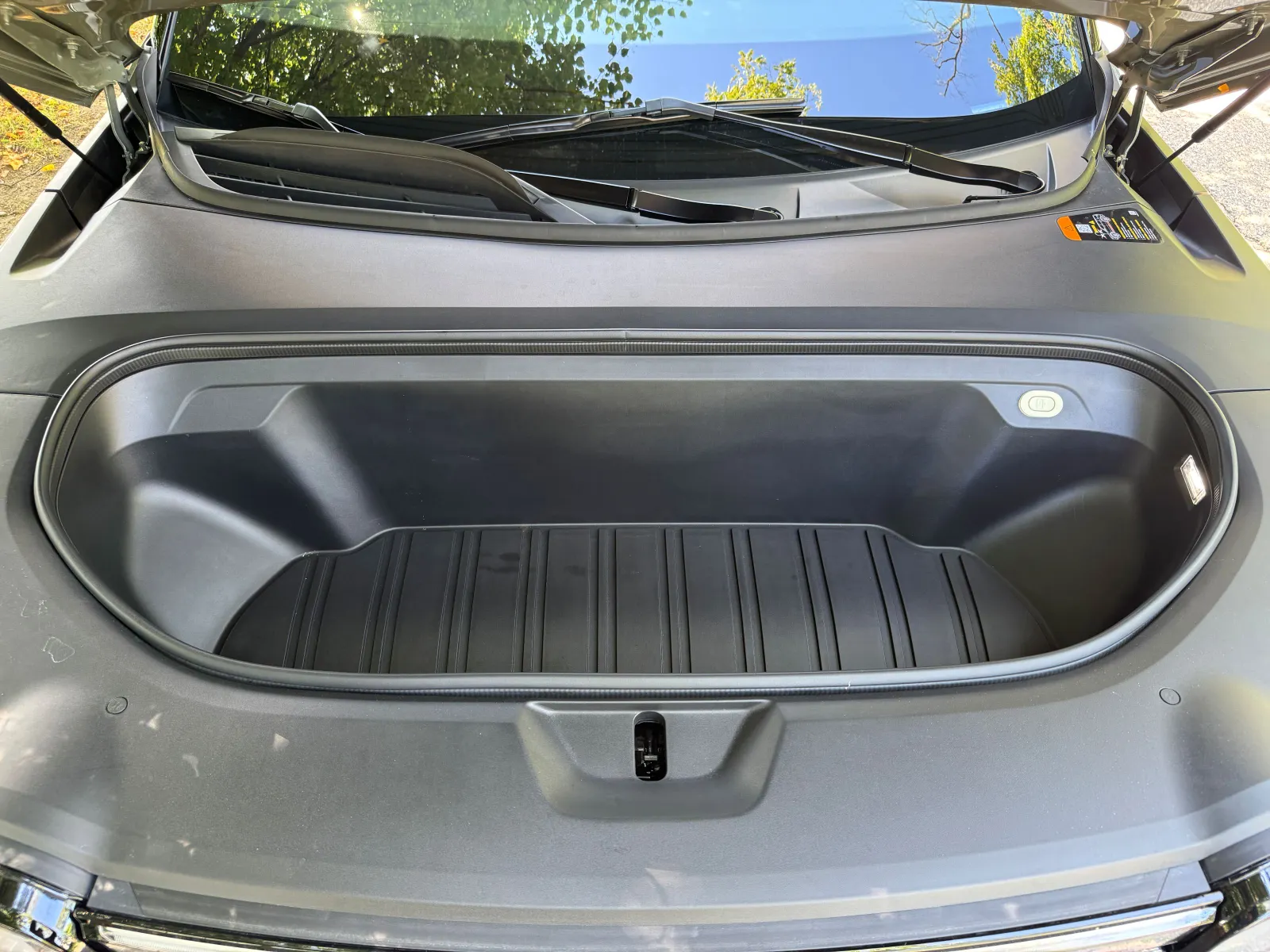
“Pricing deserves bonus points,” Winter observed. “This is a lot of power and performance for the money.”
The R2 battery uses 4965 cylindrical cells with an NCMA (nickel, cobalt, manganese, aluminum) chemistry from LG Energy Solution. The numeric designation goes to the size of a cell: 46 mm in diameter and 95 mm high.
There are 768 cells that are packaged into three modules (256 cells per module). The usable energy produced is ~87 kWh, which means a high amount of energy per cell. And that means there is high efficiency in the manufacturing of the battery pack: a reduced number of cells means less assembly, fewer welds, and a smaller number of interconnects. That results in reduced number of places where things can go wrong.
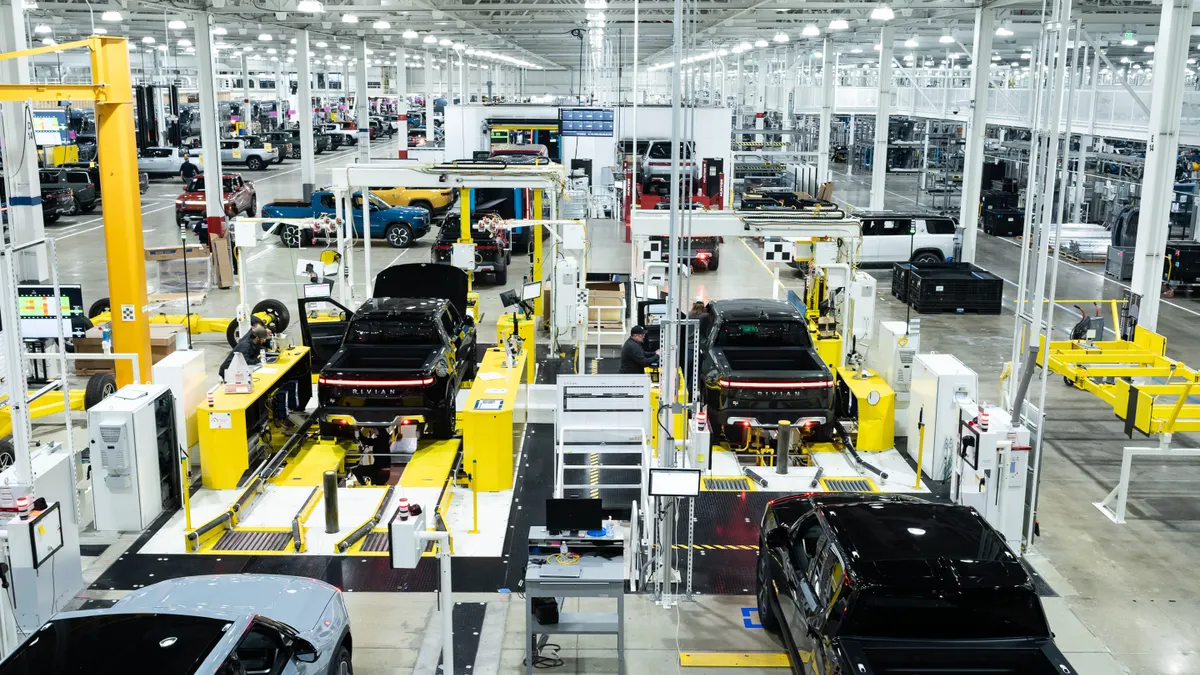
The Maximus and the battery pack are assembled at the Rivian plant in Normal, Illinois.
The Performance R2 has an EPA estimated range of 330 miles, which is aligned to what the Wards judges experienced.
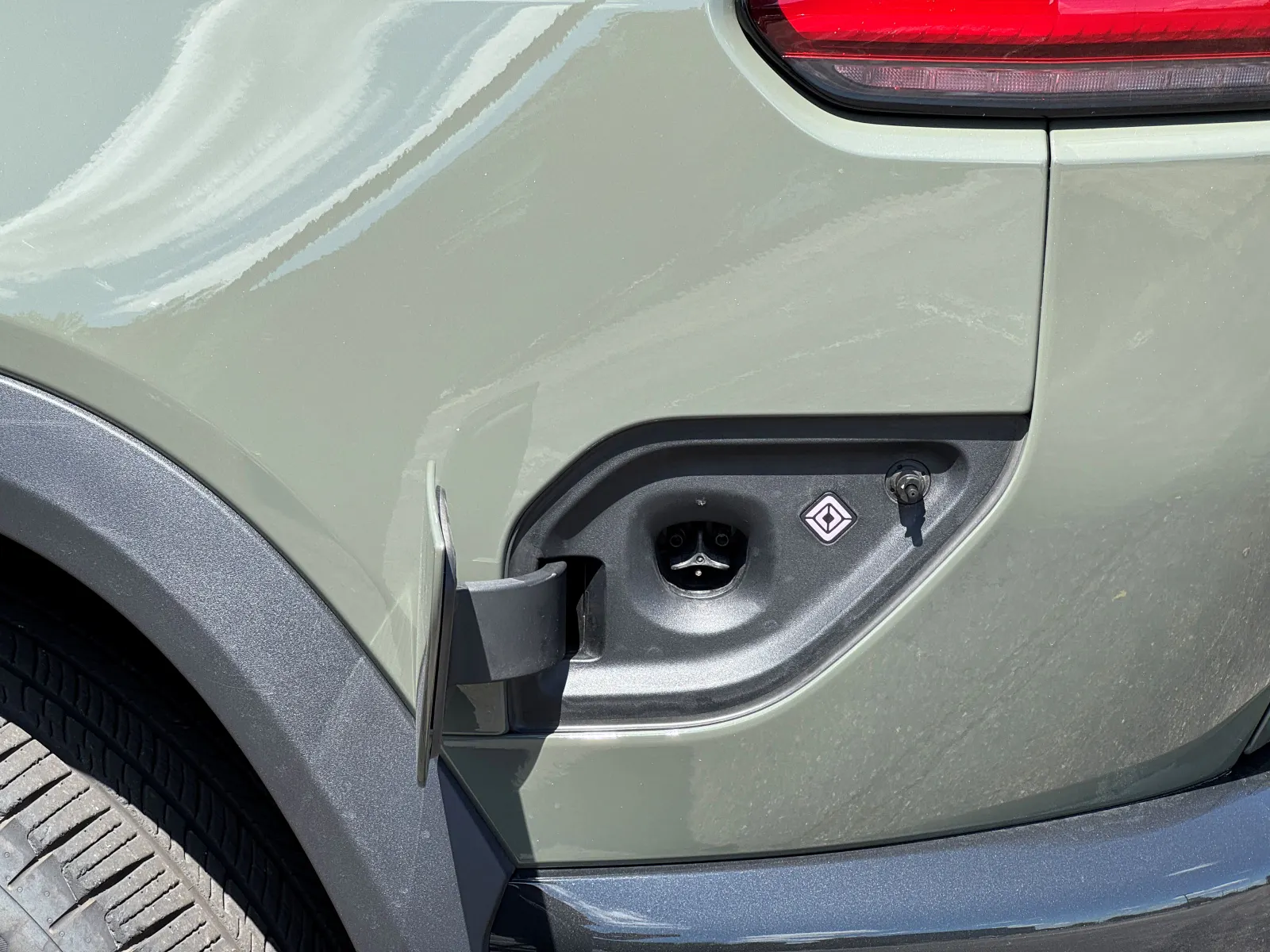
The R2 has a NACS (North American Charging Standard) charge port, which means in addition to the Rivian charger network, it can be charged at a Tesla Supercharger. Using a DC fast charger the R2 is estimated to go from 10% state of charge to 80% in under 30 minutes. (A J1772 to NACS adapter can be used for those with a Level 2 charger, such as the one Wards uses.)
From the driving perspective, the R2 Performance is quick off the line thanks to having a rear-biased AWD setup and really seems to come into its own above 45 mph — meaning that when you are above 45 mph you need to pay careful attention because before you know it you can be quite a bit above 45 mph, which can be problematic. Although not a propulsion system element per se, there’s a semi-active suspension system in the R2 that utilizes sensor input to make sure the vehicle is planted, which is particularly useful when traveling — especially turning — at high speed.
Which is probably what you’re meant to be doing in a vehicle with “Performance” trim.