It sounds odd in today’s fast-fast auto retail environment, but some dealerships leave money on the table because they’re in too much of a hurry, according to Bryan DeBoer, chairman and CEO at Lithia Motors.
Maybe they're in a hurry to move the metal on the used-car lot. Or, they're in a hurry to hang up the phone and move on to the next call without pitching more services. Either way, it's a lost opportunity — and the CEO thinks AI could help offer a solution.
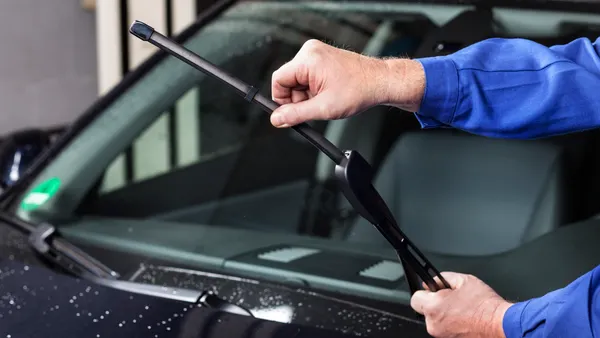
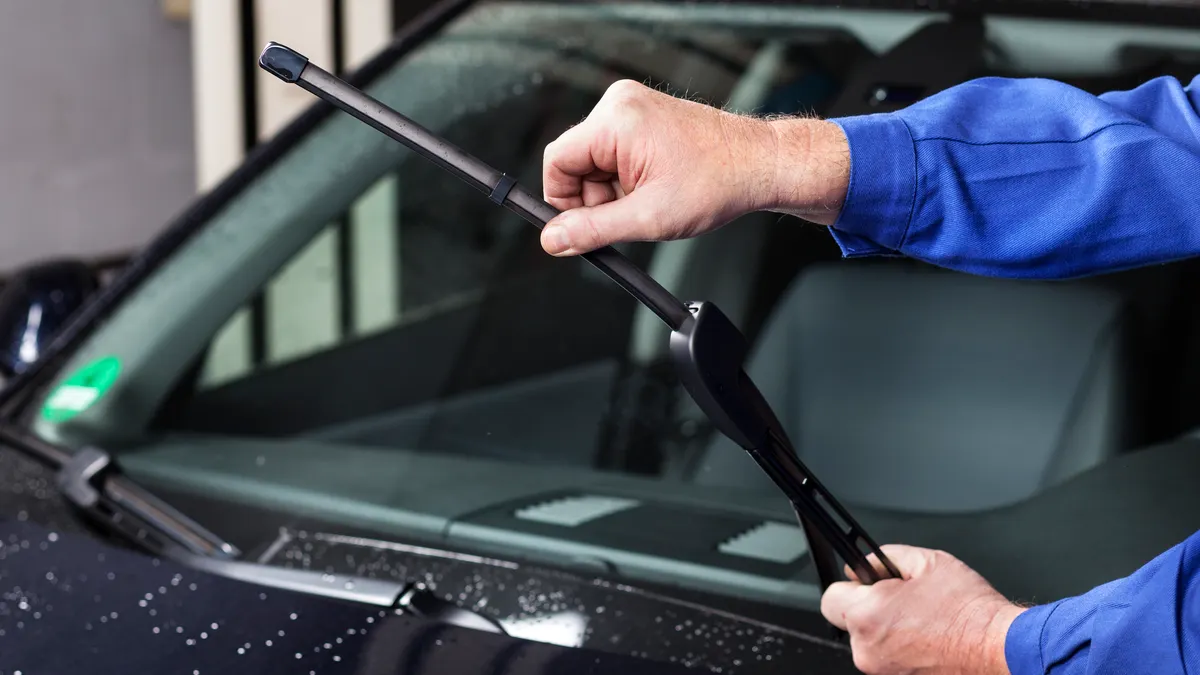
“It's really easy to forget to ask people, ‘Do you want your windshield wipers done? Do you want me to check your tires?',” DeBoer said in an earnings call Oct. 21. “We get busy in our business, and our people get busy. We don’t want to lose business and lose serviceability of — our customers because we’re busy.”
Lithia is betting that a big part of the solution is so-called agentic AI, or the use of “virtual” agents enabled by artificial intelligence. The company thinks they may be able to handle routine customer calls like making a service appointment — without neglecting to pitch routine products and services like wiper blades or tires — instead of waiting for the customer to come in for a multipoint inspection.
DeBoer said in the call that some of Lithia's U.K. dealerships are having success pre-selling services thanks to AI. Specifically, for about six to nine months now, dealerships in that country have been using a new dealership management system from supplier Pinewood.AI, which includes technology that communicates directly with customers for service appointments.
“When the customer books the appointment with the AI, the AI is consistently asking for additional service things to be done, like windshield wipers, like, ‘Oh, yeah, I probably need my fluids changed. Oh, yeah, I need this,’" DeBoer said in the call. "We're getting around 10% to 11% additional pre-sales on every AI. If I had to guess, before the AI went in, I’ll bet we had close to zero."
Lithia is actively working on rolling out the Pinewood.AI DMS in the U.S., and plans to complete the rollout across all its operations by 2028. Based in Medford, Oregon, Lithia is the biggest U.S.-based new-car retailer. The group has 308 U.S. dealerships, 143 in the U.K., and 15 in Canada.
However, DeBoer hinted AI's efficacy in presales was so compelling that it may come to the U.S. sooner.
"It's something that we're trying to figure out how to accelerate some of that AI in America, even before all the stores have the Pinewood acquisition," DeBoer said.
Besides never forgetting to pitch “pre-sell” services, the new system is also efficient and cheaper to operate in the long run, DeBoer said. That helps with Lithia’s target of reducing its expenses.
In the past year, Lithia has taken several actions to improve the company's profitability. It has reorganized its dealerships, centralizing some roles and removing others, and has set a goal to reduce selling, general and administrative expenses below 60% of gross profit by 2028. In the third quarter of 2026, Lithia saw total revenues and gross profit fall slightly compared to a year ago, as the share of expenses in relation rose slightly.
DeBoer called the quarterly results “resilient” in the earnings call, noting year-over-year figures provided a tough comparison considering a strong year-ago quarter.
In its bid to improve profits, Lithia has also sought to reshape the culture around used car sales as a way to raise revenue — a push which DeBoer touched on again in the earnings call.
DeBoer said too many Lithia dealerships — especially those that have been acquired recently — are underpricing used vehicles compared with their market average, because the dealerships feel compelled to sell them to “the first person that walks in” rather than take a chance and hold out for a customer who’s willing to pay more.
That tends to happen in the first 15 days a used car is in inventory, whereas a range of 15 to 45 days on the lot is appropriate for used cars, which are hard to replace in inventory, DeBoer said. In the meantime, the unsold car is helping generate leads.
“Let it sit through three or four customers and generate additional business before you actually spin it and sell it to someone.” DeBoer said in the call. “There’s a lot of opportunity here, and I think we’ll be able to see it in the coming quarters.”