

More than a year after a cyberattack crippled operations, Jaguar Land Rover once again posted a large after-tax loss for the second-quarter of its fiscal year.
Jaguar Land Rover reported a net loss after tax of 451 million British pounds ($595 million) for the period ended Sept. 30, 2026. Technically, that's a saving of over 100 million pounds compared to the same period last year, where it lost 559 million pounds after tax.
It's worth noting that at this time last year, the auto group was still recovering from a devastating cyberattack that halted global operations for weeks and affected revenue.
The company has since recovered, but JLR is now seeing the effects of another financial behemoth — the cost of its decision in September to axe up to 4,000 jobs over the next few years.
JLR said it lost 530 million pounds in the quarter due to "exceptional items," reflecting redundancy payments following the company’s job cuts, write downs of current assets and those under development, along with other restructuring activities.
Speaking to the results from its core operations, before tax and exceptional items, JLR reported an operating profit of 6 million pounds in Q2. That’s up from a cyberattack-induced loss of 485 million pounds a year ago, but down from the 109 million pound profit it posted in Q1.
Similarly, revenues were significantly higher year-over-year but fairly in line with results from the previous quarter.
JLR, which is owned by India’s Tata Motors, reported revenue of 5.9 billion pounds for the quarter ending September 30, a 20.3% YoY increase. It was down by just 100 million pounds from the 6 billion pounds in revenue it achieved in Q1.
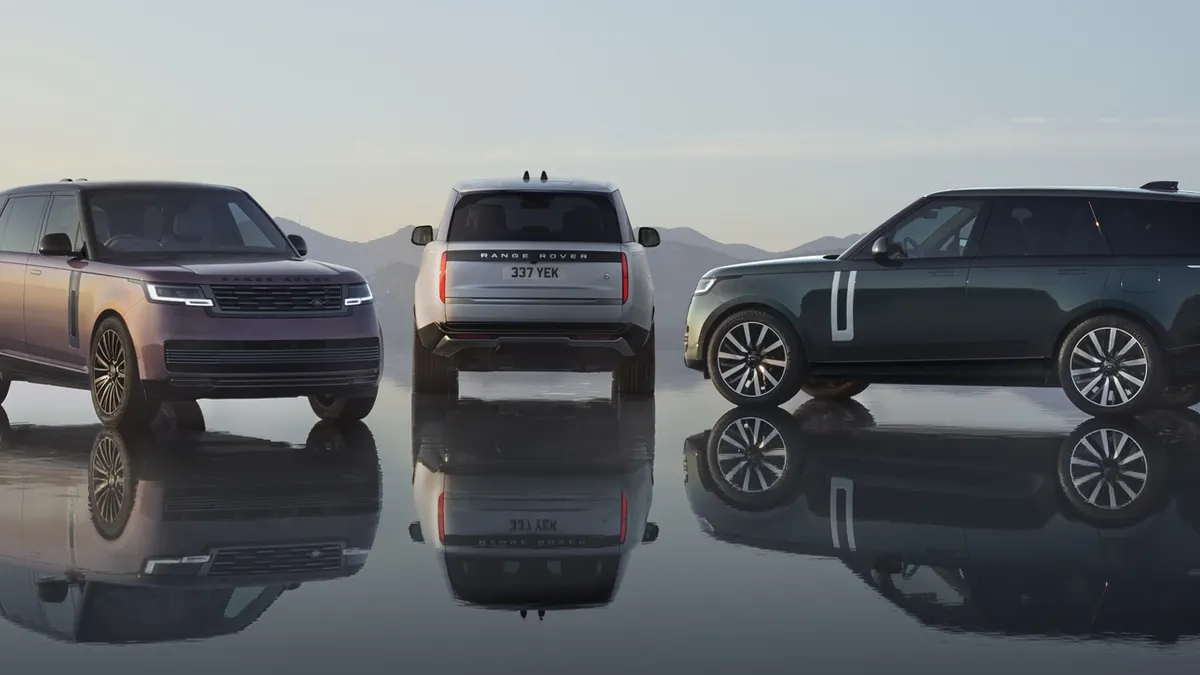
In Q1, JLR said it continued to see strong demand for its brands despite some challenges, and highlighted optimism as it prepared to launch new products. In Q2, the company’s CEO PB Balaji re-emphasized those points, noting that the automaker has since launched the Range Rover Electric, Range Rover Sport Electric and its much-anticipated Jaguar Type 01.
“With the proposed arrival of Range Rover GT and a new electric Defender product in the new year, we are entering a phase of exciting product launches,” said Balaji said in a company statement. “This, together with our growth plans for the U.S. and disciplined execution of the Enterprise Missions to reduce our breakeven volumes to 300k units, positions us well to deliver consistent, cash‑accretive growth in the coming years,” he added.
However, despite some growth in the U.K. and U.S., the company said sales in China and the Middle East continue to be challenged.
As a result, JLR has revised its full-year profit margin for the full year downward, "in light of ongoing market challenges, geopolitical risks and the exceptional costs recognised in the quarter," according to the press release.
Adjusted EBIT margin for the quarter was 1.1%, and stood at 2% for the first half of fiscal year 2027. Now, JLR expects the fiscal year to end with a margin somewhere between 2% and 3%.