

Dive Brief:
-
A completely new third-generation Honda Ridgeline pickup will arrive “within two years,” Honda announced Thursday, and production of the Ridgeline will pause later in 2026 to make room for the next generation, widely expected to be a hybrid.
-
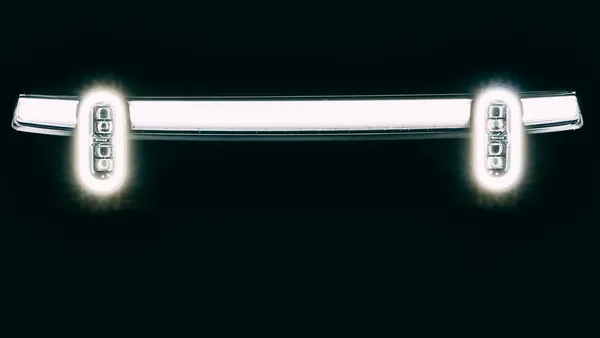
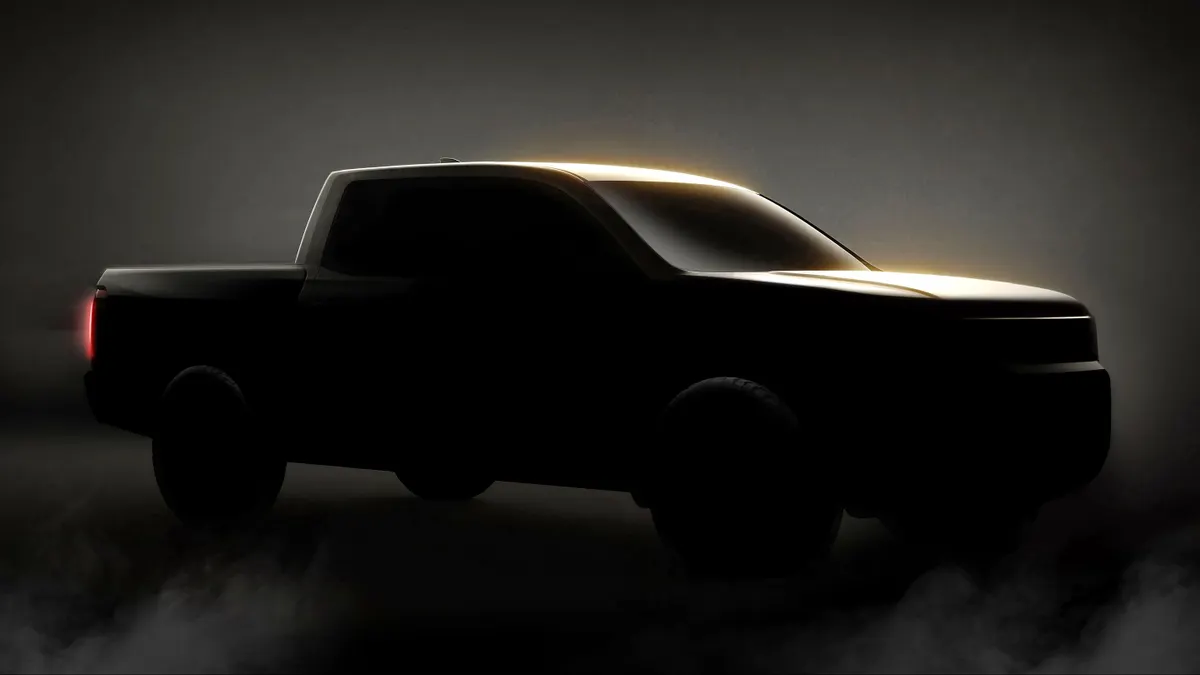
The next Ridgeline will be U.S.-designed in Southern California and U.S.-engineered in Ohio, Honda also said, and it “will feature an even more rugged design,” according to the automaker, with a teaser photo showcasing the silhouette of the redesigned truck.
-
Honda also confirmed in its press release that this future Ridgeline will continue to be built at Honda’s Alabama Auto Plant, which currently makes the Honda Passport two-row SUV, Honda Pilot three-row SUV, and Honda Odyssey minivan. While Honda hasn’t yet confirmed whether the next Ridgeline will be a hybrid, it’s said it will make all of its North American plants capable of making hybrids.
Dive Insight:
News of the Ridgeline comes as the midsize pickup segment promises to be significantly more competitive, with Ram, Kia, and Mitsubishi readying entries.
The current second-generation Ridgeline arrived for the 2017 model year and has actually performed better in recent model years than when it first arrived. Honda reported 48,448 U.S. sales in 2025, up about 7% year-over-year.
Honda has reportedly been considering a new U.S. factory, so this announcement cements the importance of the Alabama factory in future truck assembly.
While the U.S.-market Ridgeline hasn’t been officially confirmed as a hybrid, Honda has given out plenty of hints that it’s likely to be. The company last year said it was reducing its global EV investments by $21 billion and shifting focus to hybrids; the next-generation hybrid vehicle system the automaker has previewed includes a V6 hybrid system for full-size vehicles, including light trucks.
In the shift away from EVs, Honda in March confirmed the cancellation of its 0 Series EVs; later the same month the closely related Afeela 1 sedan was also officially canceled by Sony Honda Mobility. Then in May the automaker summed that it will invest about $28 billion in new gasoline and hybrid vehicles. At that time it put an indefinite hold on an $11 billion EV and battery production hub in Ontario, Canada.
As part of the May update, Honda said it planned to reallocate excess production capacity at its Ohio plants, which had been set to be part of an Ohio EV Hub, to instead produce hybrid and non-hybrid gasoline vehicles.
The EV Hub was intended to coexist with a $3.5 billion joint-venture battery plant near Jeffersonville, Ohio, called L-H Battery Company. In May Honda said that as it aims to launch more hybrid models it will seek to convert some of what would have been EV battery production capacity at the battery plant to U.S.-made hybrid batteries. That could potentially supply Honda’s various U.S. plants — including Alabama.