

Automakers have had to swallow a bitter electric-vehicle pill over the past year, writing off billions of dollars after realizing expectations of consumers’ demand for the new powertrain technology was overambitious.
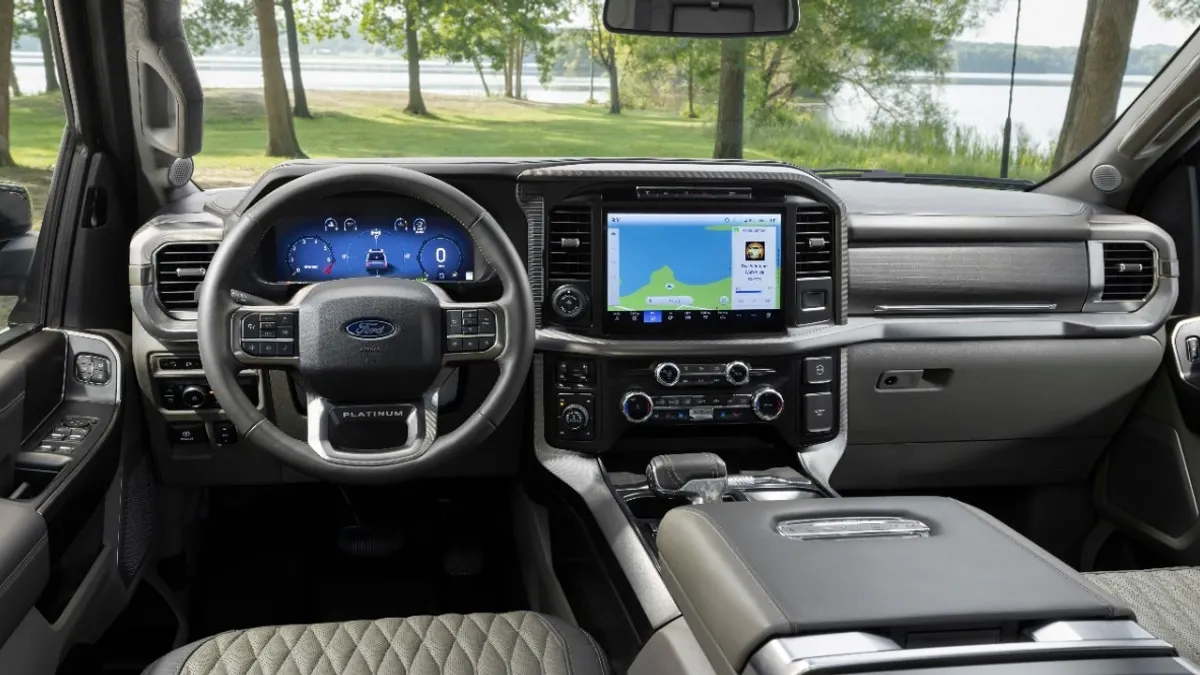
Ford was first to pull the expensive EV plug, writing off $19.5 billion from its profits in December while scrapping production of the F-150 Lightning. Next, came General Motors in January announcing a relatively modest write-down of $6 billion as it backed away from EV investment in a response to the Trump Administration’s anti-EV policies and a slowdown in consumer interest. Now, Stellantis joins the club with a $26.5 billion charge on its bottom line mainly blamed on having to slam its BEV plans into reverse in the current challenging U.S. market.
So, what does this mean for the industry as a whole? WardsAuto spoke to Curt Hopkins, CEO of MCQ Markets, a fintech firm facilitating investments in collector cars, who had some opinions about how automakers got the BEV market so horribly wrong.
While the conversation was initially centered on Ford’s woes, Hopkins’ perspective could apply to the other legacy automakers.
One issue is the significant differences between consumer demand in the U.S. and Europe, said Hopkins.
He points to the difference in EV take-up, currently about 17% in Europe but just hovering around 8% in the U.S.
“Gasoline tends not to be taxed as much as it is in the U.K. and European countries,” Hopkins said. “So, with that, you are finding there's less demand for EVs and, obviously, the American driver is used to driving much longer distances than your typical European or British drivers.”
So, have legacy automakers suddenly woke up to the realities of consumer auto demand?
“What happened, I think in context, is Ford invested very significantly in their EV production and they decided that it just doesn't hold water in the short term,” said Hopkins. “Or probably even in the longer term because I'm sure their planning horizon is 5-to-10 years and they decided to just back away from it entirely.”
Hopkins, who owns an EV and has previous work experience in sustainable technology solutions, expects to see more automakers change tack to hybrid and range-extended EVs.
However, he notes that automakers in the U.S. and Europe could struggle to compete in a head-to-head price war with the Chinese automakers — regardless of the powertrain options.
“Europe needs to be careful about dumping of vehicles because the Chinese are not taking a free market approach,” said Hopkins. “They've done this repeatedly in industries if you look at the telecoms' technology and equipment industry,” he added.
He also pointed out that China owns the bulk of the EV logistics supply chain from rare earth mining, processing and battery cell supply for power packs.
Yet, there remain real dangers if legacy automakers yield the field to China for future vehicle production and innovation.
“The EV tech stack war is probably now being won by the Chinese,” he said. “So, the danger for the U.S. and for Europe is that they fall way behind when it comes to not just manufacturing costs but on the tech stack surrounding autonomous driving and how to manage micromobility in complex urban environments.”