

As 2026 draws to a close, more electric vehicles make their way to dealers across the U.S. And that brings an ever-widening selection of vehicle types, power figures, and price points.
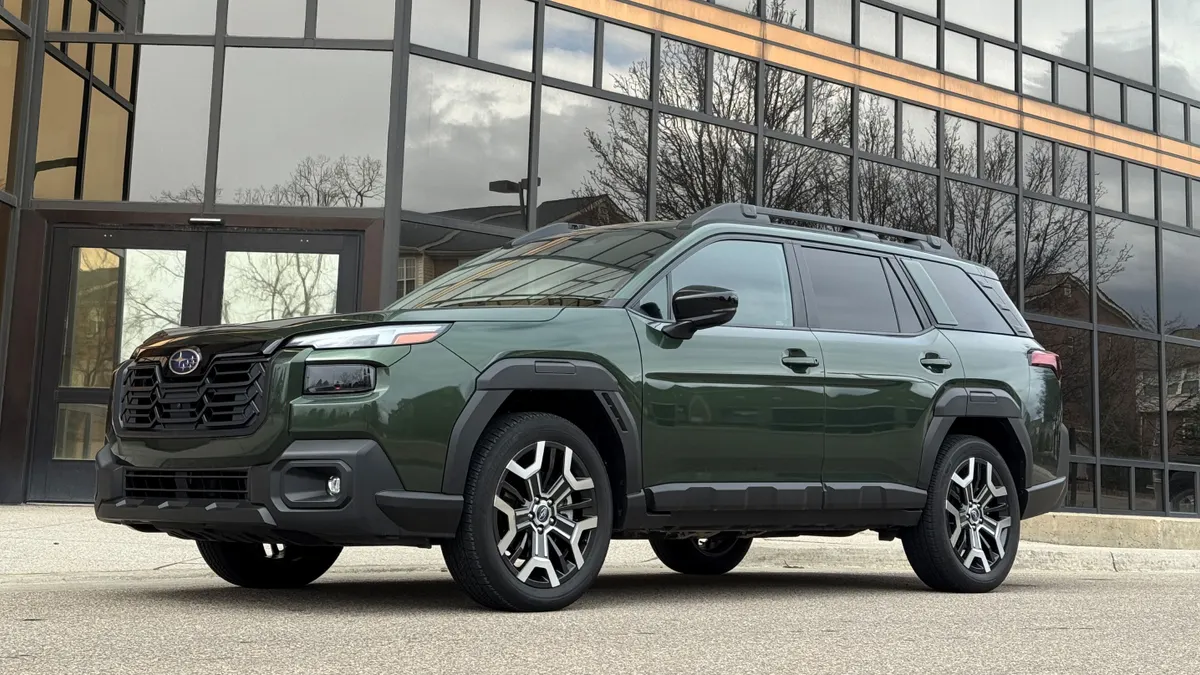
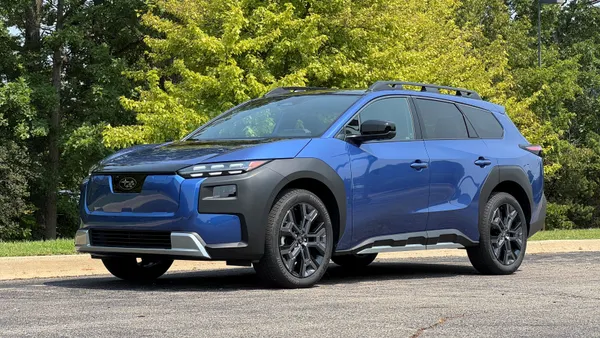
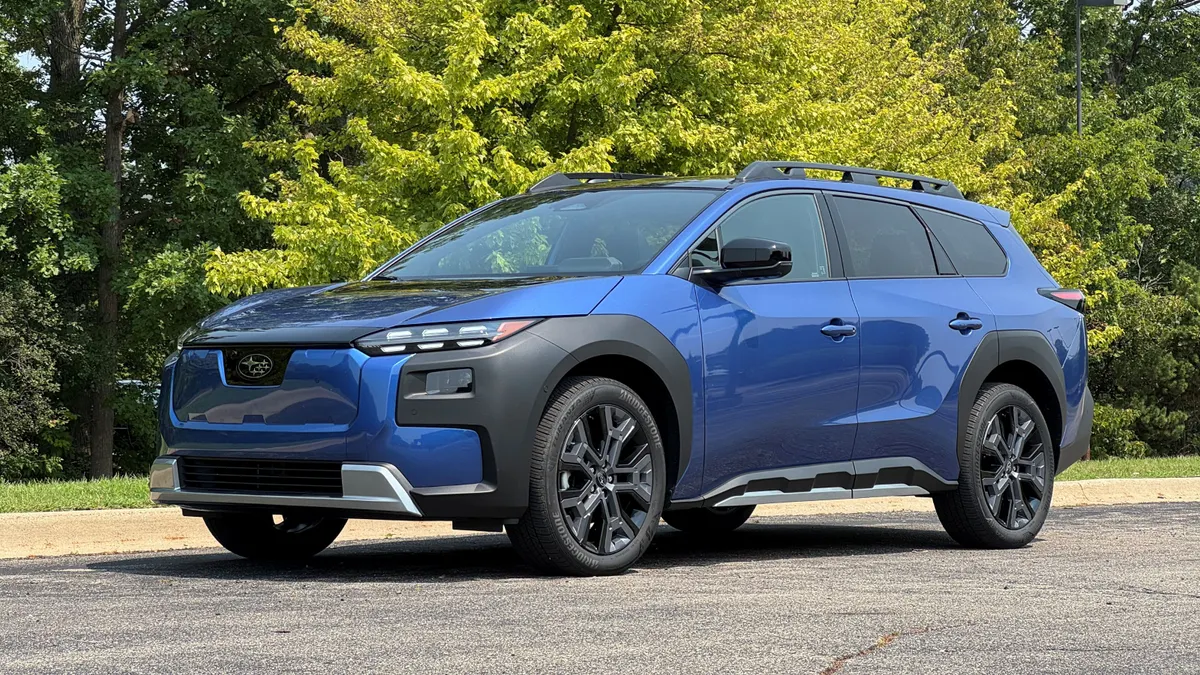
Enter the Subaru Trailseeker — a swoopy, elongated crossover with brand consistent levels of ground clearance, cargo space, and general utility. But instead of flat-four internal combustion lying under the hood, Subaru installed a dual-electric motor setup worthy of winning a 2026 Wards 10 Best Engines & Propulsions Systems award.
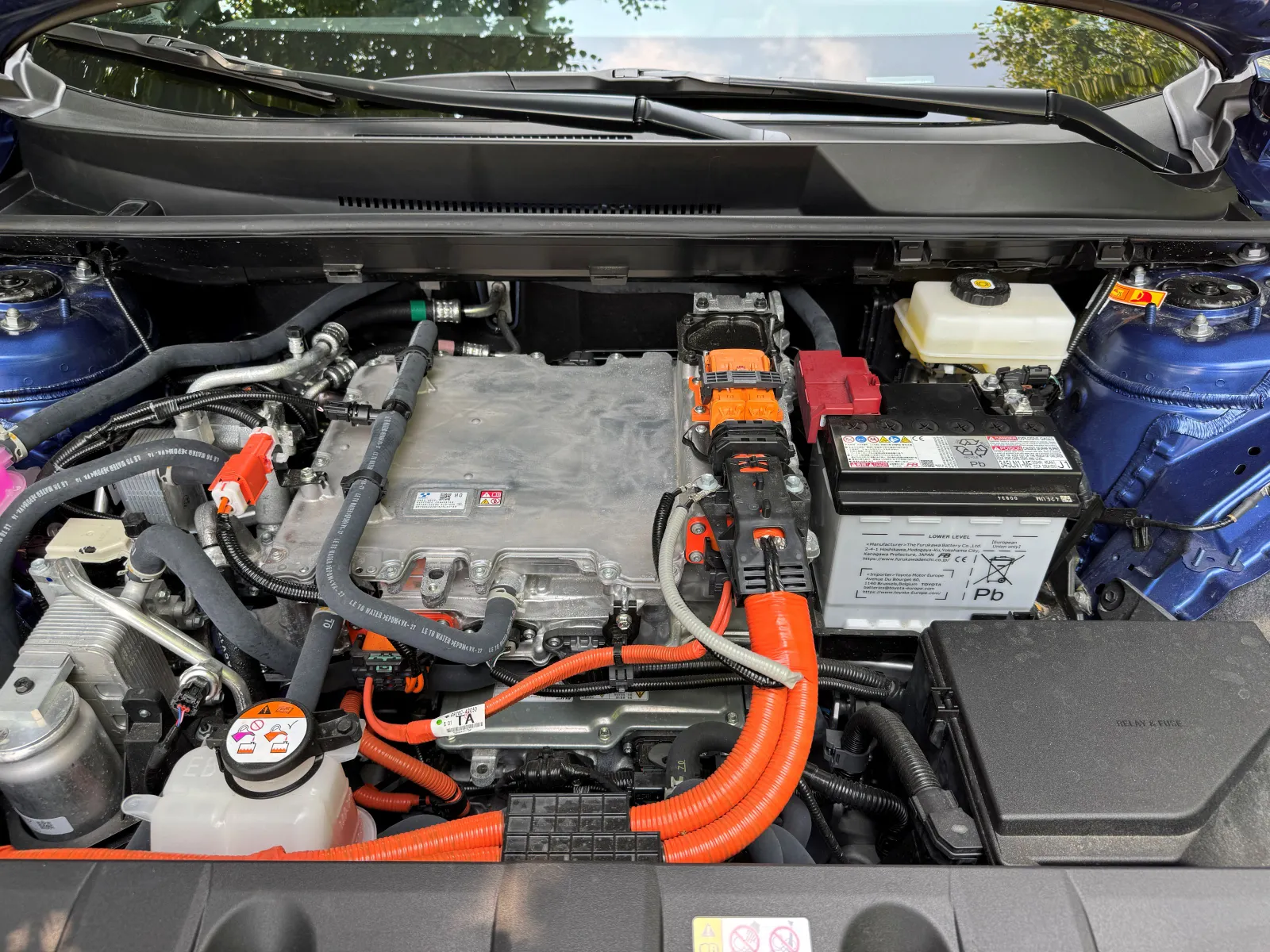
Subaru kept it simple while designing the new propulsion system: Utilize an AC synchronous permanent magnet motor capable of producing 224 horsepower and 198 lb-ft of torque, double it, then mount one on each axle. Each motor is part of an integrated transaxle with a single-speed drive down gear and power inverter, which allows Subaru to split torque front-to-rear and left-to-right.
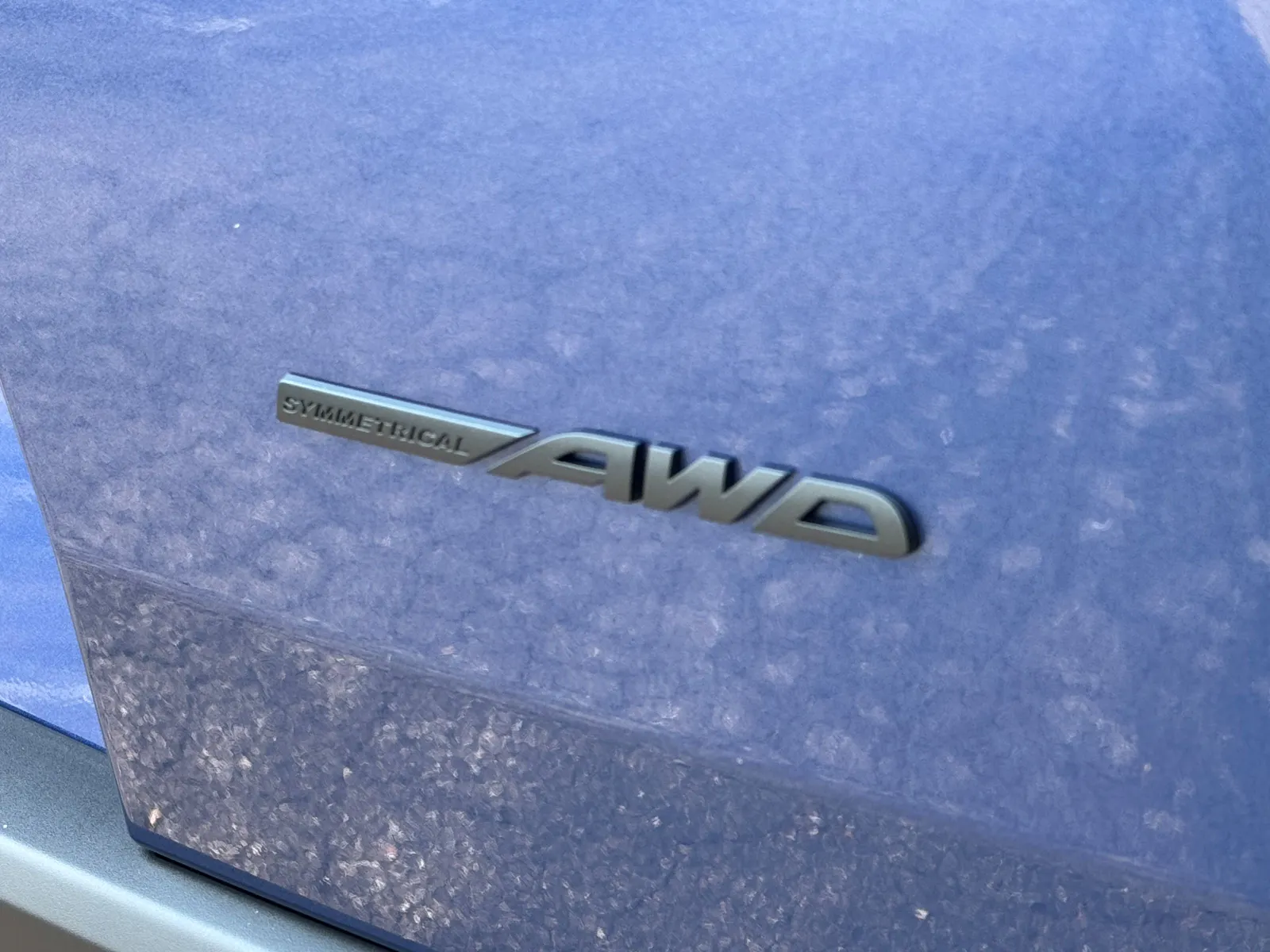
This “revised” symmetrical AWD includes a dual-mode X-mode system with Snow/Dirt and Deep Snow/Mud settings. Furthermore, you get grip control and downhill assist control. To ensure the system distributes power appropriately, acceleration sensors on the front and rear of the vehicle provide useful information to help determine which wheels get torque to maintain stability and traction.
A 74.7 kWh, lithium-ion battery pack supplies energy to the motors. It’s made up of 104 cells, producing a total of 391 volts and 191 amp-hours. That’s enough juice to supply up to 375 horsepower at once, as well as 396 lb.-ft of torque.
And that makes the Trailseeker quite quick!
“The Trailseeker BEV is Subaru’s quickest vehicle yet and a major leap forward for the brand,” said Wards 10 Best Engines & Propulsion System Drew Winter. “Its 375 hp and 396 lb.-ft. of torque make it genuinely fun to drive, propelling it from 0 to 60 mph in 4.4 seconds.”
A propulsion system with user-friendly efficiency
Trailseeker’s strong efficiency will likely delight the masses.
With a full charge, you get 281 miles of range on a single charge when equipped with the smaller 18-inch wheels, which translates to a mileage per gallon equivalent of 126 in cities, 107 in highways, and 117 combined. The larger 20-inch wheels drop range by just seven miles to 274 miles of range, for a 125/103/114 MPGe city/highway/combined.
During my test, I started at near a full charge and put 147 miles on the odometer, two-thirds of it on the interstate, the rest around town. The Trailseeker’s range estimate started at 241 miles and ended at 104 miles. In other words, I traveled farther than the estimate’s range dropped, meaning the Trailseeker’s battery holds quite up well during real-world driving.
Part of that benefit likely stems from the four levels of off-accelerator regen you get, which the driver easily selects using paddles on the steering wheel, traditionally there to shift gears. I kept it at the highest setting, finding it easy to drive smoothly.
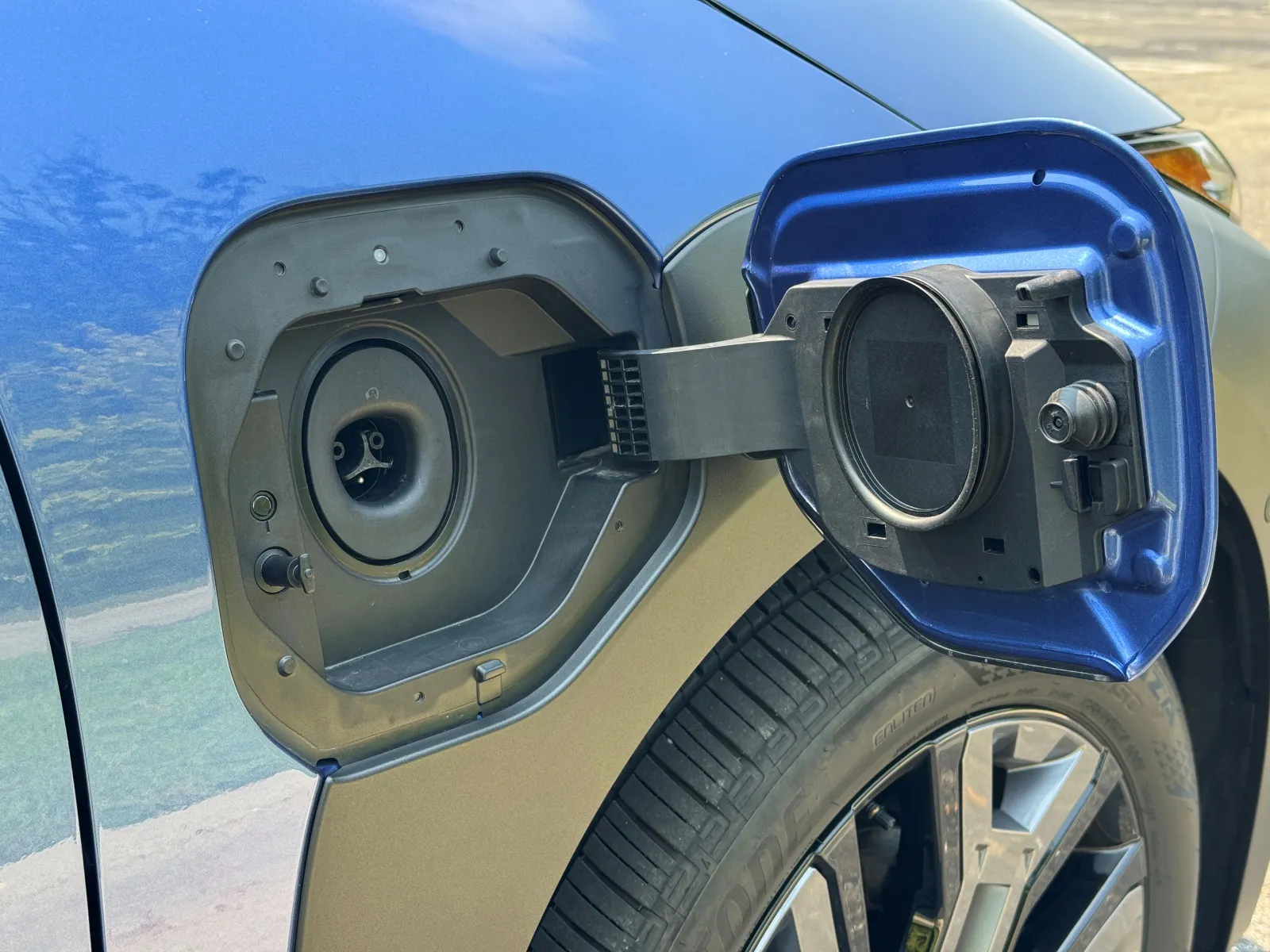
As time for a recharge approaches, the Trailseeker includes a standard battery preconditioning system. From there, pull up to any NACS charging station and plug into the port mounted on the passenger side front quarter panel. The Trailseeker accepts up to 150 kilowatts of power, which will get you from 10% to 80% percent state of charge in as little as 28 minutes.
An EV, but a Subaru first
Critically, none of the BEV traits take away from its identity as a Subaru.
You still get 8.5-in of ground clearance and the aforementioned standard all-wheel-drive with off-road friendly, dual-mode X-mode. You also get as much as 31.3 cubic feet of cargo space (depending on trim) behind the second row and 74 cubic feet with it folded. And Subaru installs a 120-volt AC plug (again, depending on trim) back there for good measure.
You can load up to 176 pounds on the roof while driving. And, when parked, feel free to increase that to 700 pounds worth of stuff and people, no problem. The Trailseeker will even tow up to 3,500 pounds.
Yet perhaps the Trailseeker’s greatest strength isn’t its abundant power or high level of utility, but its surprisingly low price in an era where the hefty $7,500 tax break for BEVs has been eliminated in the U.S.
“The base price of $48,005 makes it a winner,” said judge Winter.
Our top-of-the-line Touring test vehicle also included the Daybreak Blue Pearl premium paint color ($395) and leather upholstery ($300), bringing the final price to $48,750. And Subaru sells the base Premium trim, which gets the exact same powertrain, for $41,445 when you include the destination charge.
Considering the average price of most new vehicles is about $50,000, that’s a remarkable price for a sports car that is quick, off-road friendly and has plenty of space to haul cargo and people. Especially one that will never need to stop at the gas station — ever.