Dive Brief:
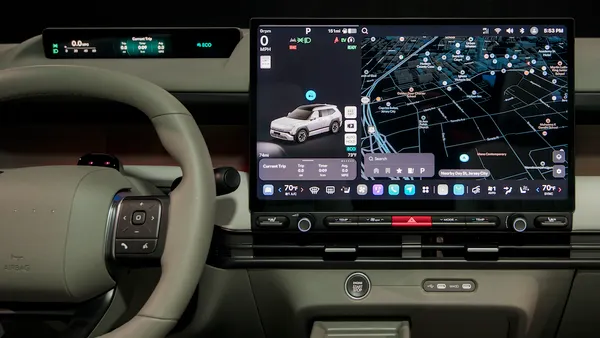
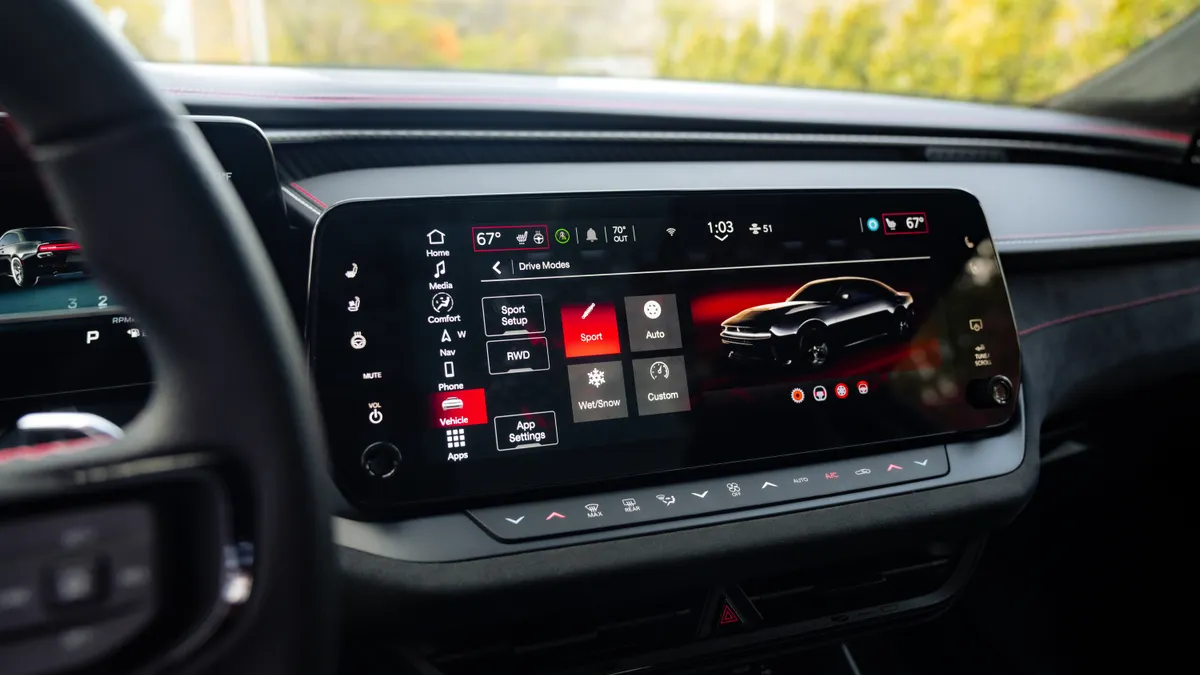
- Stellantis' U.S. subsidiary FCA US has issued a voluntary recall for 848,511 vehicles due to a radio software error that may prevent the rearview camera image from appearing on the vehicle’s infotainment screen when shifting into reverse, the automaker announced in an Aug. 17 press release.
- The U.S. recall population includes model year 2026-2027 Chrysler, Dodge, Jeep and Ram vehicles, including versions of the Chrysler Pacifica; Dodge Charger; Ram 1500 and 2500; and Jeep Cherokee, Grand Cherokee, Wagoneer and Wrangler. Nearly 83,000 additional vehicles will be subject to a recall in Canada for the same issue, per the release.
- Drivers of these models will receive an over-the-air radio software update and a prompt will be displayed on the vehicle’s infotainment screen once it's available. Stellantis said recall notices will be mailed beginning in September with additional information and instructions for customers. The automaker has not received any reports of camera-related accidents or injuries.
Dive Insight:
Rear backup cameras have been mandated by the National Highway Traffic Safety Administration on all vehicles sold in the U.S. since May 1, 2018, although some automakers had voluntarily offered these safety systems for years before then. But eight years later, OEMs appear to be still struggling with backup camera and related software faults, resulting in recalls extending to millions of vehicles over the past year alone.
Data compiled by Bloomberg estimated that 21 million vehicles have been recalled since backup camera systems were mandated over eight years ago.
The formal recall report has not yet been published by the NHTSA for the Stellantis camera recall, and a company spokesperson did not share any additional details with WardsAuto outside of the press release.
“If the rearview camera image does not appear, drivers should remain aware of their surroundings and use their rearview and side mirrors when reversing,” Stellantis said in a statement.
The backup camera recall follows several major OEM recalls for camera faults over the past 15 months, including three from Ford Motor Co. covering nearly 3 million vehicles.
In May 2025, Ford recalled over 160,000 vehicles to address rearview camera faults caused by loose circuit board connectors. It included the Bronco, Ranger and Expedition SUVs, F-Series pickup and Escape. A month later, the automaker recalled another 200,000 vehicles for backup camera display issues, including a blank screen. The issue was blamed on software.
In September 2025, Ford recalled another 1.4 million vehicles for inverted, distorted or blank images due to faulty rearview cameras. The models included the F-250, F-350 and F-450 Super Duty pickups. The automaker blamed the issue on its supplier Magna, which according to the recall report, was the result of a sub-supplier conducting an unauthorized change to the camera’s printed circuit board header tooling, resulting in loose terminal connections that led to corrosion and electrical issues.
A month later in October 2025, Ford recalled a different set of 1.4 million vehicles for faulty rearview cameras. This recall also involved analog review cameras supplied by Magna Electronics, which can experience display failures and distorted images when shifting into reverse. Dealers are replacing any defective cameras as necessary, free of charge.
In December 2025, Toyota Motor North America recalled over 1 million vehicles for backup camera faults. The recall population included 21 models, including the Camry, Highlander, Prius and RAV4. The problem was due to a bug in the automaker’s parking assistance software.
Last month, American Honda Motor Co. recalled 325,000 Odyssey minivans for water intrusion into the backup camera assembly that can lead to image failures.
The backup camera recall follows a separate recall last month by FCA US of nearly 1.3 million Ram 1500 pickups over second-row seat belt buckle anchors that may have been improperly secured to the vehicles’ body structure during assembly.