

A perennial top-performer in charging surveys has been toppled in the latest version of a study it’s led for many years — J.D. Power’s 2026 U.S. Electric Vehicle Experience Public Charging Study.
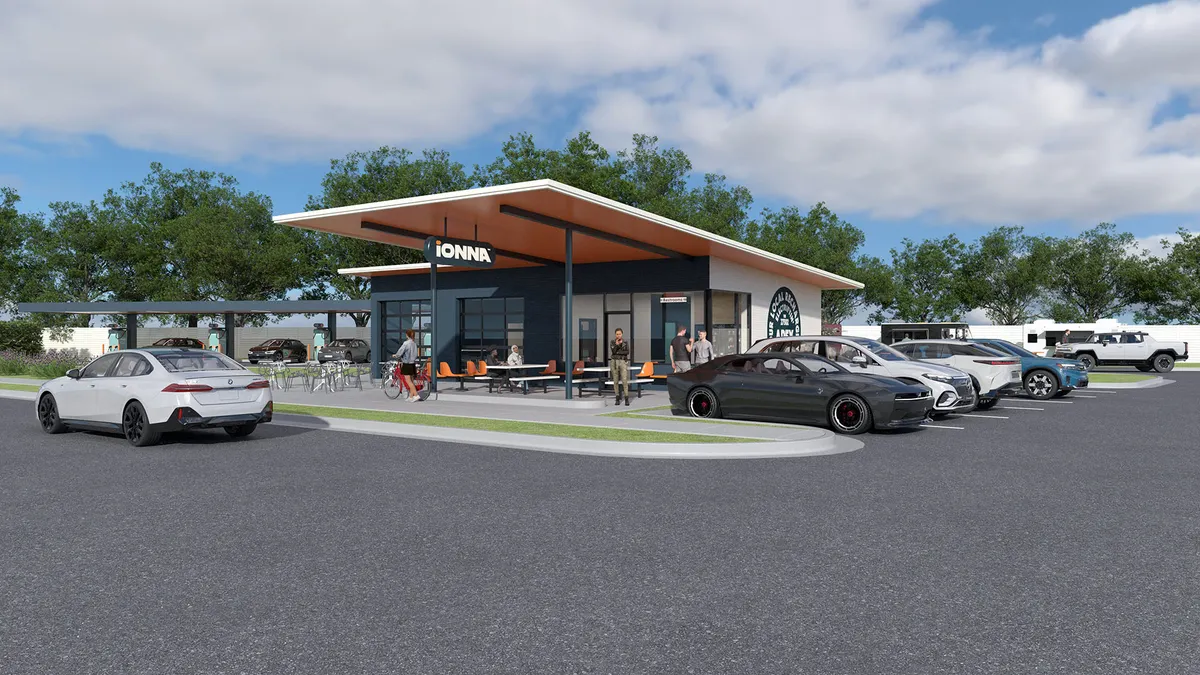
In its first year of eligibility, Ionna topped the 2026 EVX study with a rating of 807 on JD Power’s proprietary, 1,000-point scale, according to a recent release. With the Mercedes-Benz charging network and Rivian Adventure Network in second and third place, that left Tesla’s Supercharger network, a longtime champ, in fourth place.
Ionna was founded in 2024 and considers its founding automakers to be BMW, General Motors, Honda, Hyundai, Kia, Mercedes-Benz, Stellantis and Toyota. It opened its first EV fast-charging station, termed a Rechargery, in October 2024, and has confirmed partnerships with Sheetz, Wawa, Casey’s, and Circle K, as well as a $250 million California infrastructure expansion.
The Supercharger network still scored well — at 701, which was above the segment average of 666.
Although Tesla has been dethroned from the top spot, one trend that the EV pioneer sparked remains: All four of the top-performing fast-charging networks are automaker-affiliated, underscores JD Power, noting that the top three fast-charging performers also have an advantage in newness.
“The OEM-affiliated networks are newer to the market, which gives them some advantages,” said Brent Gruber, JD Power’s executive director of EV solutions, told WardsAuto via email. “Because those networks are more recent, their chargers are new and their locations are optimized for the user experience.”
Gruber explained that top-performers in the study better reflect the features EV owners are looking for — including fast, reliable chargers, more charging ports per location and access to amenities like restrooms and snacks.
This year’s study also emphasized that public fast-chargers are becoming more reliable, with the lowest failure rates the company has measured in the study, which it’s conducted since 2021. The legacy charging networks are improving in reliability too, it noted.
“Many public charging networks have new high-powered fast chargers, but that's only part of the equation,” said Gruber. “Availability, reliability, ease of use, amenities, location, costs, etc., are important parts of the public charging experience where the top networks excel.”
The 2026 study includes responses from 6,594 owners of both EVs and plug-in hybrids, measuring satisfaction across 10 factors, including some aspects that don’t directly relate to the technical aspects of charging, like safety and things to do while charging.
Destination charging has its own issues
In contrast with the improvement of the fast-charging experience, JD Power noted a 12-point decline in satisfaction relating to public Level 2 chargers. The firm didn’t share network-by-network results regarding Level 2, which is often called destination charging, of the sort that EV owners plug into when staying at a hotel overnight or topping off at a shopping center for a few hours.
Gruber notes that the much-improved experience for road-trip fast-charging raises the bar for destination charging — which really hasn’t been improving in the same ways.
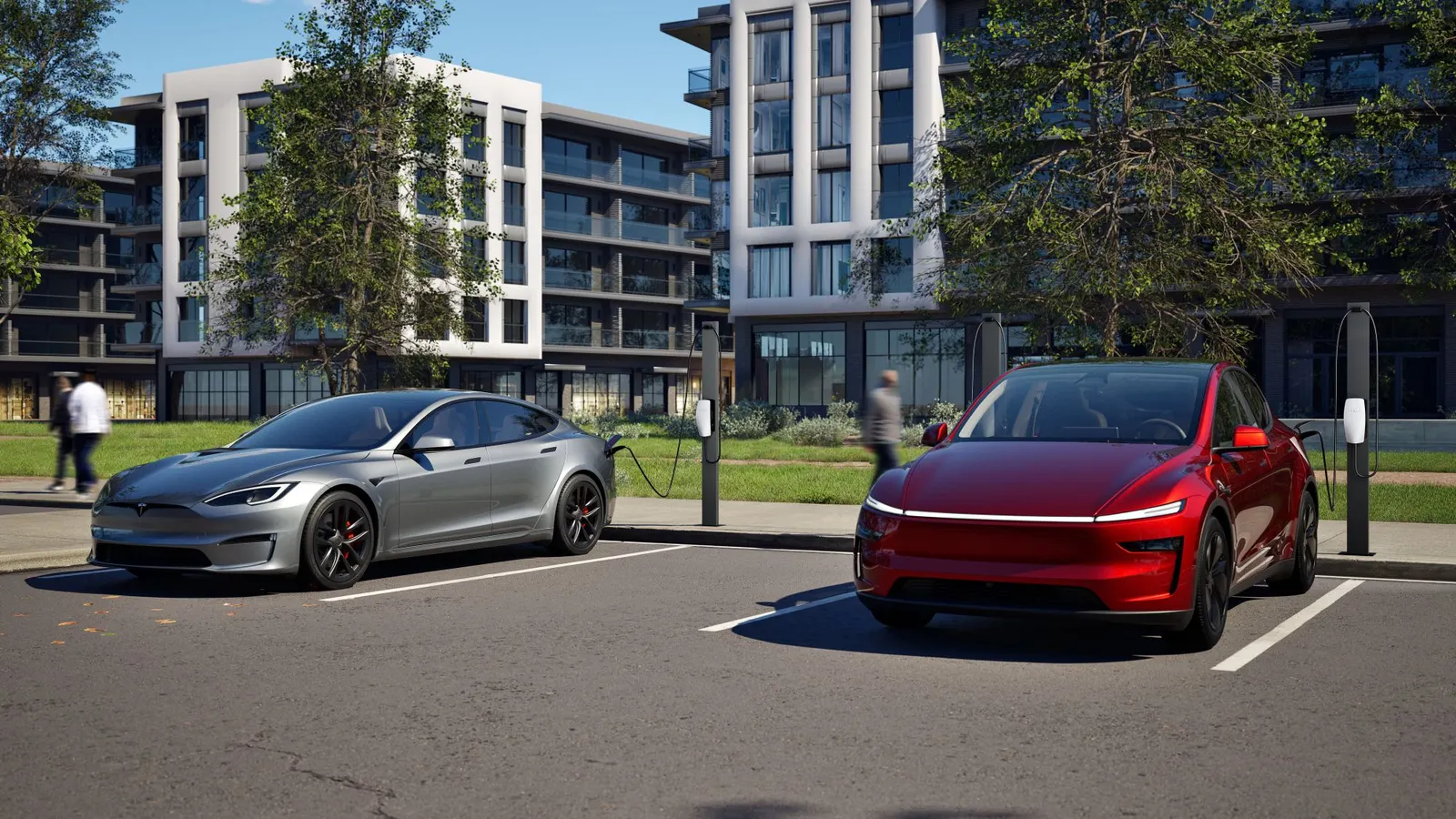
The lack of convenience of payment may be part of the dissatisfaction. A very small percentage of U.S. Level 2 chargers are Plug and Charge compatible — meaning that EV drivers may need to fish out a credit card or install a new smartphone app to get a charge started. Chargers with Plug and Charge tech on board will simply start and bill a customer’s account attached to the vehicle when it’s plugged in, requiring little or no other input from the driver.
Simply having to pay for public Level 2 charging is also a factor, as businesses analyze their cost input and a growing contingent of destination charging is starting to put its own paywall up. Gruber told WardsAuto that this “rapid decline in free Level 2 charging” is contributing to continued lower satisfaction with what it measures as Ease of Payment in that area.
“Our 2026 data indicates that 34% of Level 2 users received free charging during their visit. Just a few years ago (2023), that rate was 60%,” said Gruber.