Dive Brief:
- Honda Motor Co. has invested in Minnesota-based Niron Magnetics, a developer of rare earth-free magnets for a wide variety of applications, including electrified vehicle powertrains, per a Sept. 9 press release.
- The investment was made through the automaker’s global open innovation program, Honda Xcelerator Ventures. The investment amount was not disclosed.
- “Most electric propulsion motors today use permanent magnets made from rare earth metals, which are subject to resource constraints and fluctuations in market conditions, said Mahito Shikama, Director, Executive Officer of Honda Motor Co., in a statement. “Niron Magnetics is addressing these challenges, and Honda has high hopes for its potential.”
Dive Insight:
Using rare-earth-free permanent magnets for hybrid and fully electric vehicles can help reduce automakers’ dependence on critical materials and global supply chains currently dominated by producers in China. In 2024, China accounted for 60% of global mined production of rare earths for magnets, as well as 91% of global refined output, according to the International Energy Agency.
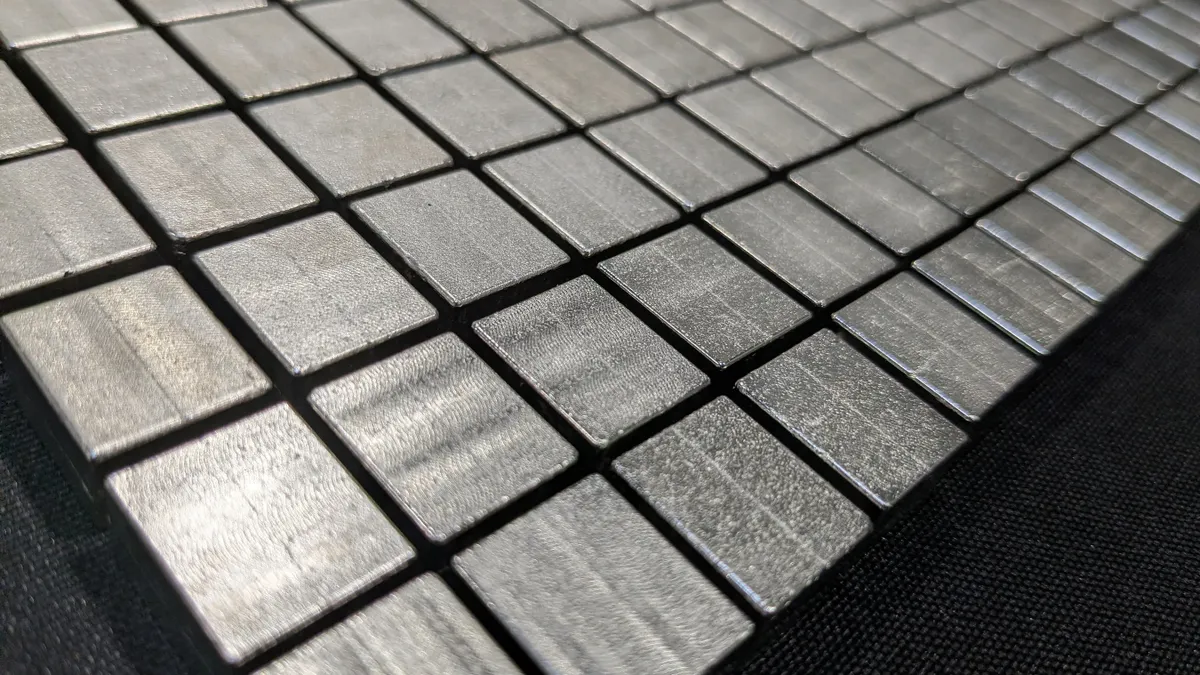
Niron Magnetic’s technology substitutes iron nitride in place of rare earth metals in magnets, which typically include neodymium, dysprosium, terbium and praseodymium. Iron nitrate is primarily made up of inexpensive and abundant iron and nitrogen.
The company spun out of Department of Energy research in 2013 to commercialize iron nitride magnet technology. On Wednesday, it celebrated the steel-raising of a planned 287,000-square-foot manufacturing plant to produce what it calls the world’s only high-performance rare-earth-free permanent magnets.
According to Niron, the plant will be operational in 2027 and might make up to 1,500 tons of the material annually, employing 175 workers.
Iron nitride magnets produced by Niro Magnetics can exceed the performance of rare-earth based magnets by up to 50% and offer better stability over a wider range of temperatures, per the company. It sources the raw materials for the magnets domestically, which can help OEMs like Honda meet its more long-term cost and sustainability goals.
These magnets have potential applications across a variety of automotive applications. Magnets are used in the electric motors of EVs and hybrid vehicles, but can also be utilized in regenerative braking systems, electric power steering systems and other EV powertrain components. For internal combustion engine vehicles, magnets are commonly used in 12-volt electric motors and actuators, such as wiper motors, power door locks, alternators, fan motors and engine control sensors.
"Following investment from Honda, we are encouraged by their confidence in our technology and vision for scaling rare-earth-free permanent magnets across a broad range of applications,” Niron Magnetics CEO Jonathan Rowntree, said in a statement. “The investment adds to growing industry momentum as manufacturers increasingly direct resources to alternatives to rare-earth-based magnets."
Other automakers and companies have invested in Niron Magnetics over the past several years.
In November 2023, the venture capital arms of General Motors and Stellantis participated in a $33 million funding round in the company, which also included Volvo Cars.
In February 2024, Niron Magnetics raised $25 million in a funding round led by Samsung Ventures with participation from automotive supplier Magna and Allison Ventures, the venture capital arm of Tier 1 supplier Allison Transmission.
In addition to GM’s investment in Niron Magnetics in August 2025, the automaker announced it signed a multi-year supply agreement with Texas-based Noveon Magnetics for rare earth-free neodymium magnets for its full-size trucks and SUVs. The first deliveries of magnets to the automaker started in July 2025.
Last month, Niron Magnetics also received a conditional $150 million loan commitment from the Department of Defense’s Office of Strategic Capital to build out its rare earth-free magnet production capabilities at its Sartell, Minnesota, manufacturing facility.