Dive Brief:
- A new nationally represented survey of U.S. drivers conducted by BMW Group found that while electric vehicles are becoming a bigger consideration for American consumers, shoppers have become more specific about what an EV must offer before making a purchase, the automaker announced in an Oct. 8 press release.
- The biggest concern remains range. According to BMW, 72% of survey respondents said a minimum driving range would be a deciding factor for purchasing an EV, with 42% seeking an EV with 300 or more miles of range and 18% wanting 400+ miles.
- BMW said its findings reveal a gap between the range consumers say they require in an EV and the range they actually want.
Dive Insight:
This online survey was conducted Sept. 11-13, 2026, and included 1,005 U.S. adults 18 years of age and older and weighted to be representative of the adult population. Year-over-year comparisons were taken from a previous survey conducted May 7-9, 2025, per the release.
Range anxiety remains a concern for many shoppers considering the switch to an EV, despite numerous studies that show drivers travel much less per day than an EV can take them on a charge.
BMW said it asked respondents how much range would be enough to get them through their daily driving needs, and 73% selected just 25, 50 or 75 miles. The automaker believes that this gap points to consumers placing significantly more value on total EV range even though their everyday driving needs are well below what many EVs can deliver per charge.
According to a February 2025 report from EV charging installer Qmerit, an EV with a 300-mile range can easily hold enough charge for at least a week of commuting. Qmerit said that the average daily commute took about 15 to 29 minutes and that the average American drives just under 40 miles per day.
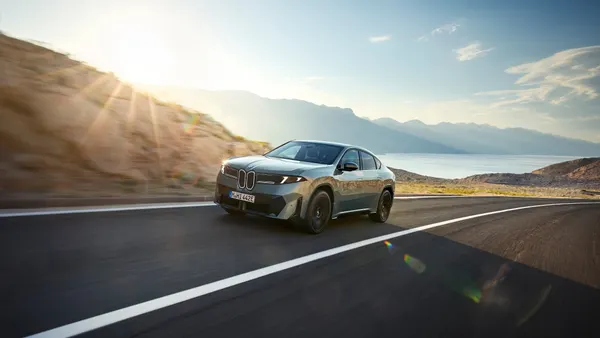
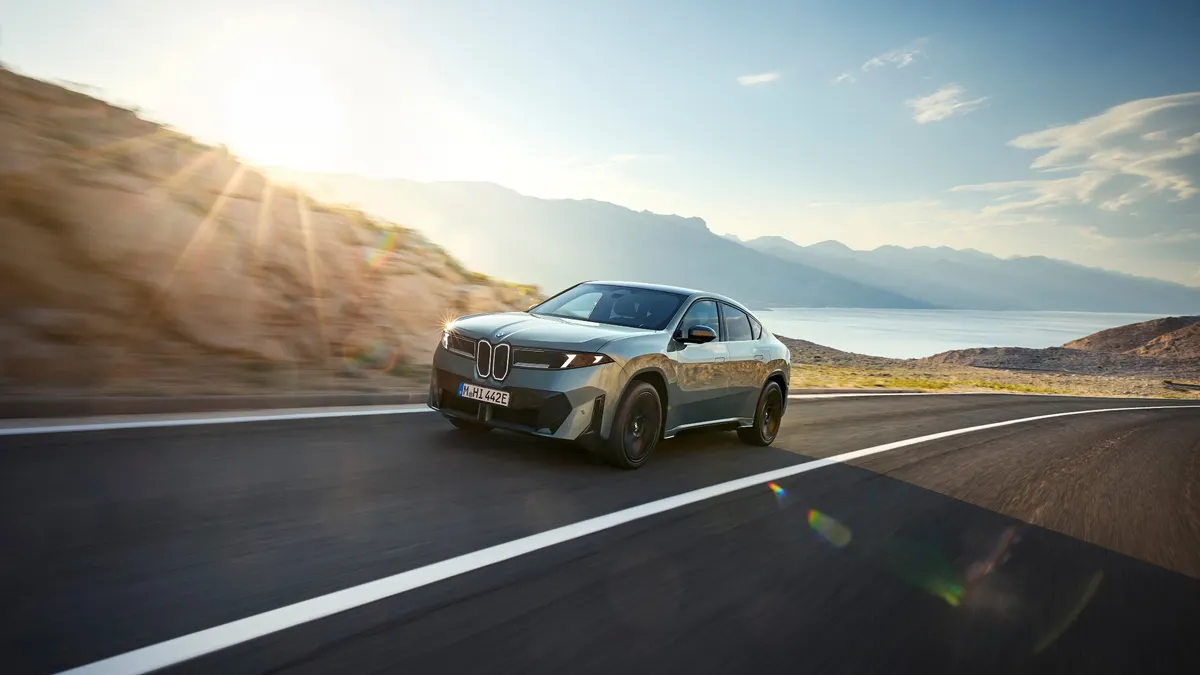
BMW’s next-generation Neue Klasse-platform EVs, however, can travel much farther between charges than its previous EVs. As a result of advances in efficiency, EPA-estimated range for the new all-electric iX4 sedan is 435 miles, well over the average number of miles a typical American drives per day.
BMW also found that 68% of Americans say they would consider buying an EV, with 27% of these responses citing lower ownership and operating costs as a purchase consideration.
BMW’s survey also found that there is a growing interest in faster charging and the ways an EV might fit into a driver’s everyday life, and that EVs that support ultra-fast charging are also more appealing. The automaker said that 53% of responders were more likely to purchase an EV if they can add roughly 150 miles of driving range in just 10 minutes with a DC fast charger. This appeal is strongest for younger consumers, with 65% of Gen Z responders saying fast charging would increase their EV purchase consideration.
BMW also said that 57% of responders would be more likely to buy an EV if it supports vehicle-to-home charging, providing backup power in the event of a power outage.
“As range and charging capability continue to advance, we're seeing consumers evaluate EVs the same way they'd evaluate any other vehicle: on performance, features and value, not on outdated assumptions about range,” said Alexander Schleicher, Head of E-Mobility, BMW Group North America, in a statement.
BMW continues to invest in charging infrastructure and energy solutions in the U.S. as a partner in the Ionna joint venture with seven other automakers. Ionna is building one of North America's largest high-powered charging networks, with more than 180 sites hosting more than 1,600 charging bays since the company launched in 2024.
As EV adoption grows in the U.S., BMW also found that 56% of Americans today still view current EV drivers as “early adopters”, down from 62% in 2025.
The automaker also said used EVs could help boost the secondary market, with 55% of responders saying they would consider a certified pre-owned or used EV if it provided sufficient savings versus a brand new model.
“This survey confirms what we're hearing directly from customers: EVs are mainstream now, and the brands that win deliver real range, fast charging and the driving experience people expect,” said Schleicher.