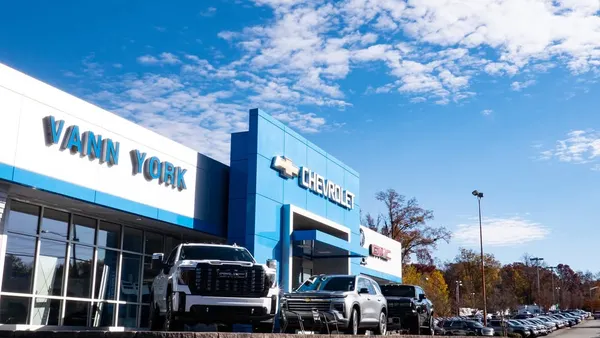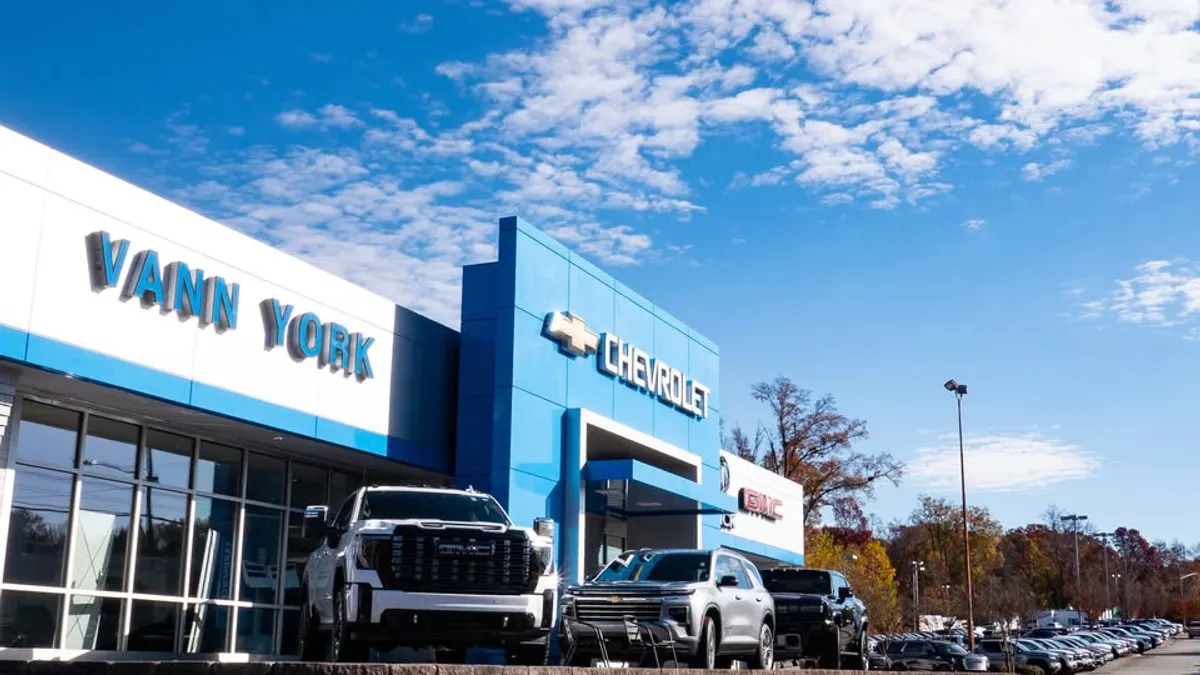
The Vann York Automotive Group in March acquired Hyundai and Kia dealerships in North Carolina from the Carolina Automotive Group. The acquisition grows Vann York’s number of rooftops to eight and number of franchises to 11.
“We’re not a consolidator by nature, we’re more of an operator,” said Greg York, the dealer principal and the group’s president and CEO, to WardsAuto on a Zoom call. But, he added, “We feel like you have to have some size to be sustainable, long-term.”
Scale allows a dealership group to have good human resources capability, good compliance and good finance, York said.
“It’s harder for a smaller dealer to keep up, and just the technology and the compliance, you have to have people who are experts in that, and be able to afford the people,” he said.
At the same time, his group aims to be small enough to continue to be a family business, which York defines as knowing the people in the stores and the customers. If they don’t, he said, “That might be too big for us.”
Acquiring the Hyundai and Kia stores, located in High Point, N.C., where the Vann York Group is headquartered, was a bit of a two-family affair. The York family has known the McNeill family, who own the Carolina Automotive Group, for 30 years, York said.
That long friendship made for an extremely smooth transaction. “The two of us just worked it out together,” York said.
Besides the just-acquired Hyundai and Kia franchises, Vann York Automotive Group includes Honda, Toyota, Subaru and Nissan dealerships and a Chevrolet Buick GMC store, all in High Point. It also owns a standalone GMC store in Asheboro, N.C., and jointly owns a Honda store in Sumter, S.C. It owns a collision center in High Point.
Adding human capital
Greg York is a third-generation dealer; the group is named after his father Vann York. His grandfather on his mother’s side was a Chevrolet dealer, York said. His daughter, Catherine York Mace, also works for Vann York Automotive Group, as does his wife, Caren.
A few years ago, he had to decide whether to grow or get out of the auto retail business, York said. During COVID, his chief financial officer, general manager and human resources director, all of whom helped the family grow the business, retired, York explained.
“It was then I had a decision to make,” he said. “Do I double down and make sure I build a stronger infrastructure and add some stores, or do we look as a family at getting out of the industry?”
They chose to move forward, bringing on a new CFO, a COO and an IT manager. His daughter Catherine, who was working for NADA as a communications manager, came back to work in the family business.
With the right management team in place, York felt ready to acquire the Kia and Hyundai stores. “Five years ago, we didn’t have the infrastructure to take on two stores like that,” he said. “Now we do.”
Reaching a younger crowd
The Kia and Hyundai store facilities are both image compliant and “ready to go, which is always a big part of any kind of transaction,” York said.
Both brands have great technology and a good mix of gas and hybrid vehicles, he said. Plus, they are priced right. “Affordability is a big concern for people right now,” York said.
He also sees Kia as appealing to a younger demographic than his other brands. According to data from Kia America sent to WardsAuto in an email, the brand’s average customer is 47.5 years old compared with an average of 50.2 years old for mainstream brands, and 47% of Kia America buyers were under 45.
Kia customers are four years younger compared with Hyundai, which is owned by the same corporation as Kia.
Both brands, which are owned by the same parent company in South Korea, are selling like hotcakes in the U.S. Kia America’s 2025 sales rose 7% in 2025 compared with the previous year to 852,155 units, and Hyundai sales rose 8% to 901,686 units.
A geographic proposal
Vann York Auto Group plans to keep expanding. It hasn’t reached the “too big” point, York said.
As it looks to grow, they like the franchises they already own, York said. Location is also key. They prefer to stay in the same area.
“I think it’s become more of a geographic proposal than franchises,” he said.