The Canadian auto manufacturing sector is facing existential challenges in 2026.
The industry has been closely integrated with American automakers for decade, but policy changes across the two countries are already having an impact on OEM strategy in Canada. On one hand, U.S. President Donald Trump’s new tariff regime has at times wreaked havoc and uncertainty for automakers reliant on trade. On the other hand, Canada’s own policies on electric vehicles and its willingness to enforce them are also rapidly evolving.
As an example, last October Canada’s Department of Finance reduced General Motors’ and Stellantis’ market access to the country, lowering their import quotas as a penalty for cutting production at several facilities in Ontario. Later, Canada’s Industry Ministry also served Stellantis a notice of default on funding contracts, alleging the automaker had breached certain job protection provisions.
“When it comes to protecting auto jobs, we will not let these industries down,” Industry Minister Mélanie Joly said in Dec. 4 testimony to legislators. “We will stand firm for the sake of our workers, our industries and our nation because defending these jobs means defending Canada's economic backbone and the livelihoods of countless families.”
This year, the stakes will be higher for the country’s auto industry. Canada has already eased its reliance on US production and investment, improving market access for Chinese BEVs. It will renegotiate the terms of the USMCA. And meanwhile, Canada’s automakers will seek a formal end to national and provincial BEV sales targets.
The combination of news provides a murky outlook for 2026, but in conversations with WardsAuto, experts honed in on two of the questions that will most shape the direction of the industry.
1. Will trade policy shifts help or hinder automakers?
Following a year of shifting trade policies from President Donald Trump, the Canadian auto industry begins 2026 preparing for the upcoming review of the United States-Mexico-Canada Agreement.
With the free trade deal in place since 2020, the three member countries must decide by July 1 whether the USMCA should be extended for another 16 years after its 2036 expiration date. If not, the deal will be reviewed annually until that agreement expires.
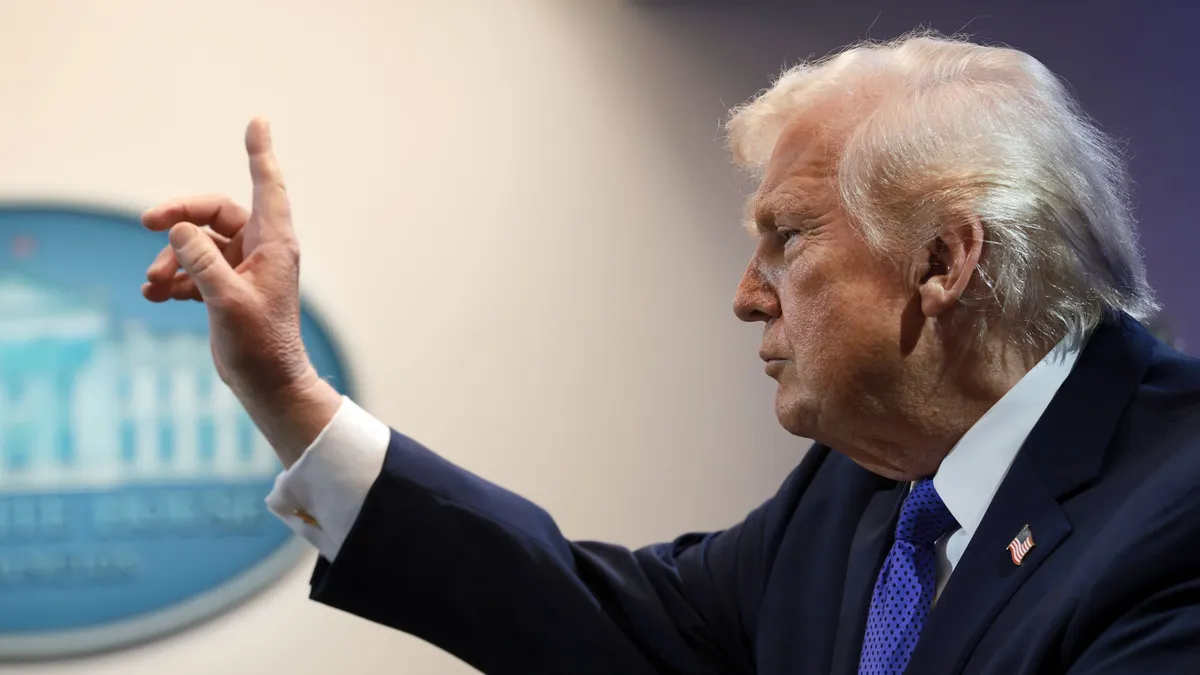
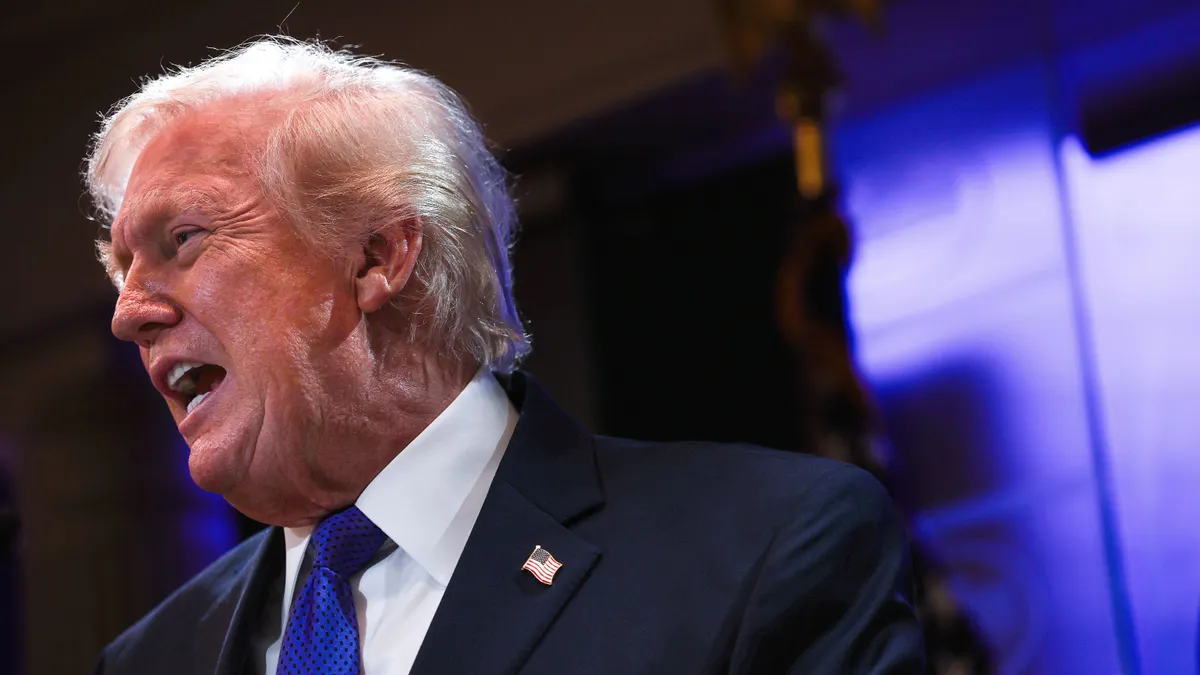
Moreover, the Trump administration has been flirting with quitting the deal, which any party can do with six months’ notice. Speaking at a visit to a Ford plant in Dearborn, Mich., in January, Trump argued the USMCA has no “real advantage” for the U.S, and is “irrelevant” to him.
Brian Kingston, president and CEO, Canadian Vehicle Manufacturers' Association, however, is optimistic about USMCA’s survival, given much U.S. investment is predicated on a border-free North American market.
“If that were torn up, it would cause significant economic damage to the U.S.,” Kingston told WardsAuto. He hopes the review talks will not drag on, as that would create uncertainty that restricts investment. “There's a lot of motivation to calm the waters over these trade challenges.”
David Adams, president and CEO of Global Automakers of Canada, representing non-Big-Three companies, also expects a deal will be reached.
“They will be asking for another pound of flesh, and they are likely to be higher U.S. content requirements,” Adams said. If “surgical” rather wholesale changes to the USMCA are agreed to, the administration could avoid seeking Congress’ authorization for changes, he noted.
The Canadian government has yet to release detailed USMCA negotiation plans, but last August, Prime Minister Mark Carney said Canada currently has the best trade deal with the United States.
“As we work to address outstanding trade issues with the U.S., it is important we do everything we can to preserve this unique advantage for Canadian workers and their families,” Carney said in a statement at the time. “Doing so will require both building on a soon-to-be revised [USMCA] and developing a new form of trade and security partnership.”
As for the United States’ Section 232 tariffs on autos, parts, steel and aluminum, Kingston was surprised they persist, given they cost the American auto sector $188 billion annually, he said, hoping for the swift removal of the Section 232 tariffs in 2026.
“It's an unsustainable situation that needs to be resolved,” Kingston said. “We need to go back to manufacturing in an integrated North American system.”
2. How will Canada's EV deal with China play out?
Carney, however, has already shown skepticism about being overly dependent on the United States.
During a trade visit to China on January 14 and 15, the prime minister reached an agreement with China to allow annual imports of up to 49,000 Chinese EVs at a 6.1% duty. A Canadian government statement predicted this would help generate possible new two-way auto manufacturing joint venture investments between Canada and China, including in clean tech, such as batteries, solar, wind and energy storage.
Adams said he opposes significant market loosening of the previous 100% tariff on China-made EVs in Canada. He said that, given American concerns about back doors for cheap Chinese re-exports, it could “poke the bear” and sour U.S. diplomatic relations. It would also undermine Canadian-made auto sector sales.
Adams expressed concerns the Canadian Government had insufficiently taken these concerns seriously during Carney’s visit to China.
He said allowing EVs from China into Canada at a reduced tariff rate “risks creating significant market distortions”, which he also said could ultimately limit consumer choice and undermine the viability of the companies currently investing in and supporting Canadian jobs. He wants more information from the government on the reduced tariff.
Meanwhile, Barrie Kirk, president of the Canadian Automated Vehicle Initiative, told WardsAuto that scrapping the tariff on China-made EV's entirely could be going too far, but maintains that “negotiations on a reduction” are sensible.
“I feel that Carney understands there has to be a quid pro quo,” Kirk said. “The world is learning that Trump is a bully, and you don't get anywhere by caving into a bully.”
3. Will electric vehicle purchase targets change further?
Beyond international trade, 2026 may see further changes in EV purchase targets by the Canadian government, which have already been suspended for model year 2026 vehicles. All of the previous federal targets for ending new ICE vehicle sales in Canada by 2035 are also under review.
Similarly, some provinces have also changed their targets. In September, Quebec loosened its planned provincial 2035 ICE new auto sales ban to 90%, whereas British Columbia scrapped its 2035 100% zero-emission sales mandate in November.
Adams said a Canadian federal policy announcement is due on whether to kill the mandate. But he advised caution, given other jurisdictions, including the European Union and the U.K., are also reviewing their own EV sales targets.
Meanwhile, Adams expects Canadian manufacturers will look towards hybrid vehicles, given softening EV sales across Canada.
The C.D. Howe Institute, a Toronto-based think tank, predicts that just 270,000 zero-emission vehicles will be sold in Canada in 2026, far less than the 20% (380,000) of new light-vehicle sales required under the country’s Electric Vehicle Availability Standard.
Kingston said the removal of consumer subsidies for EVs in 2025 was a key reason for the pause, given that EVs in Canada cost more than ICE vehicles. “When the government pulls investment, sales will fall,” he said.
Kingston also said the Canadian Government missed an opportunity to reinstate EV subsidies in its latest budget introduced in November. British Columbia scrapped its provincial BEV sales subsidies in November, while Quebec is expected to lower its subsidies this year, for an eventual 2027 phaseout.
Meanwhile, Adams has been happy that the U.S. tariff onslaught has pressed Canada’s federal and provincial governments to remove trade barriers between the country's 10 provinces and three territories.
He also hopes to see national rules and systems for tire and battery recycling in place this year, rather than just provincial requirements.
Quebec, however, could be the wild card for Canada’s auto sector in 2026, with a provincial election in October, and the separatist Parti Québécois leading in opinion polls. The party has promised a swift referendum on independence, which Adams says would harm Canada’s auto sector.
Quebec separation would be highly problematic for auto industry sales, according to Adams, as 23% of the Canadian population would split from the current national market. "I don't think anyone wants to contemplate what that means,” said Adams.