Editor’s note: John McElroy is the president of BlueSky Productions, which produces Autoline Daily, and a longtime opinion columnist for WardsAuto. Views expressed here are his own.
Take a look around the American automotive landscape, and you’ll see an industry acting as if new-car sales will grow forever.
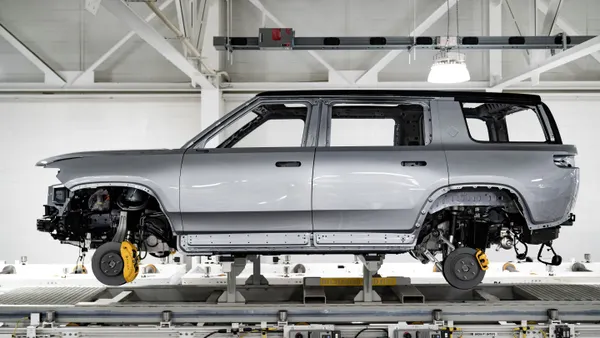
Before the decade is out, seven brand-new assembly plants are scheduled to come online in the United States alone. Cumulatively, all the big bets Toyota, Ford, Hyundai, Scout, Slate, VinFast, Lucid and Rivian are making on new assembly plants may be tooled to potentially make 1.8 million more cars and trucks.
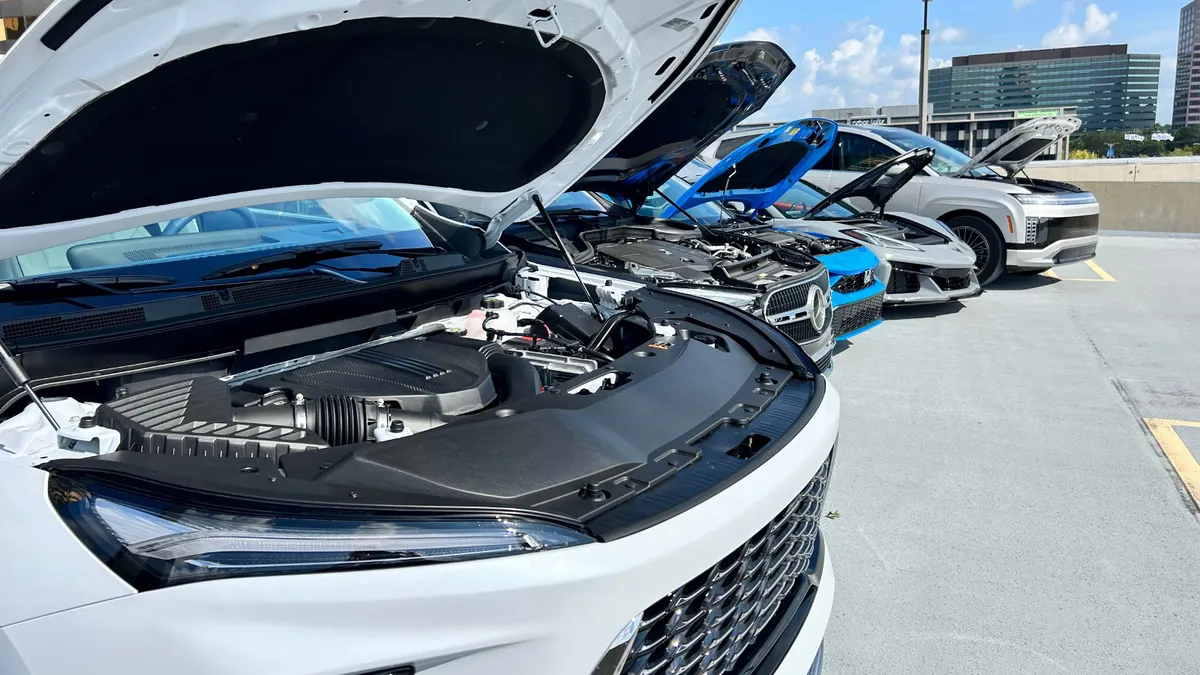
On paper, the logic seems sound: build localized capacity to offset imports, secure domestic supply chains, and prepare for a new era of propulsion. But if you lift up the hood and look at the actual data, you have to ask yourself a very uncomfortable question: Who is going to buy all these cars?
According to the latest data from the Federal Reserve, existing automotive assembly plants in the U.S. are currently running at less than 70% of capacity. That means we already have nearly 4 million units of manufacturing capacity sitting entirely idle, gathering dust. And yet, we’re about to aggressively add more supply to a market that is already struggling with excess capacity.
This capital expenditure spree is being driven by ten-year product cycles and five-year corporate strategies. But the auto industry is failing to look 20 years out, where a convergence of demographic shifts and alternative mobility trends is about to fundamentally change the concept of vehicle ownership.
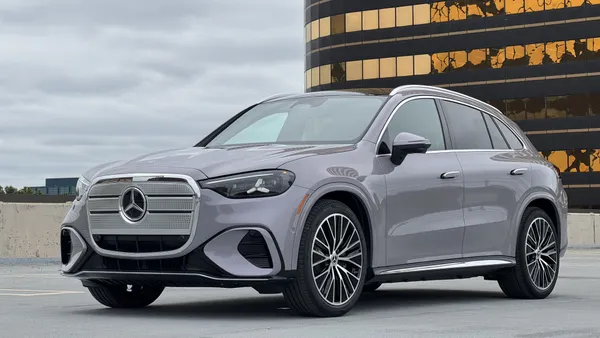
Look at the tech. Robotaxis are no longer a sci-fi experiment; they are actively picking up passengers in cities across the country. Autonomous "robocars" will transition from commercial fleets to consumer showrooms before this decade is out, according to Mercedes, Tesla and Lucid. Because a single autonomous vehicle operating in a shared fleet can replace multiple privately owned cars, the widespread adoption of this technology can’t help but reduce new-car sales volumes.
At the same time, the definition of "mobility" is changing. Vertical Takeoff and Landing aircraft are on track to provide urban air transit within the next few years, targeting the high-margin commuters who traditionally buy premium vehicles. On the ground, micromobility options like electric scooters and e-bikes are absorbing short-trip urban transit demand. Every person who decides they don't need a second or third car in their household represents a unit lost from the industry's sales forecasts.
But the absolute hammer blow to the auto industry’s traditional growth model isn't technological — it’s demographic.
We are standing on the edge of a demographic cliff. US population growth has slowed significantly, the Census Bureau reported in January, and it’s anticipated to grow even more slowly through 2050. In many other countries, notably China, Japan, and South Korea the population is already declining. The same is true in Italy, Greece, Portugal and most of eastern Europe. The traditional, reliable cycle of a new wave of teenagers getting their driver's licenses and buying cars is shrinking.
If new car sales are struggling to maintain a strong growth trajectory right now — even with a robust economy — what happens in 20 years when the population of buyers physically contracts?
The automotive industry is structurally addicted to volume. The entire business model relies on scale, and that means keeping assembly lines running at 80% capacity or higher just to break even on the immense fixed costs of a factory. Adding seven new plants to a US market that is not growing is an economic trainwreck waiting to happen.
Automakers need to stop planning for the next quarter, or even the next vehicle platform, and start planning for 2046 today.
I don’t expect today’s C-suite to address the problem. They’ll be long gone before this hits. But it is a matter for the boards of directors to start addressing. They have a fiduciary duty to look out for the long-term health of their companies.
And if they don’t start looking 20 years down the road, automakers are going to find themselves with the most advanced, highly efficient, multi-billion-dollar manufacturing footprints in human history — and not nearly enough customers to buy the cars they can make.