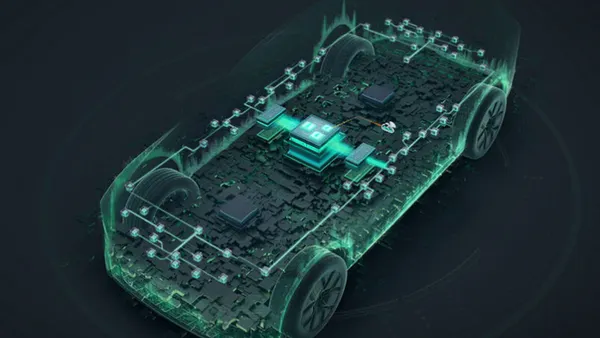


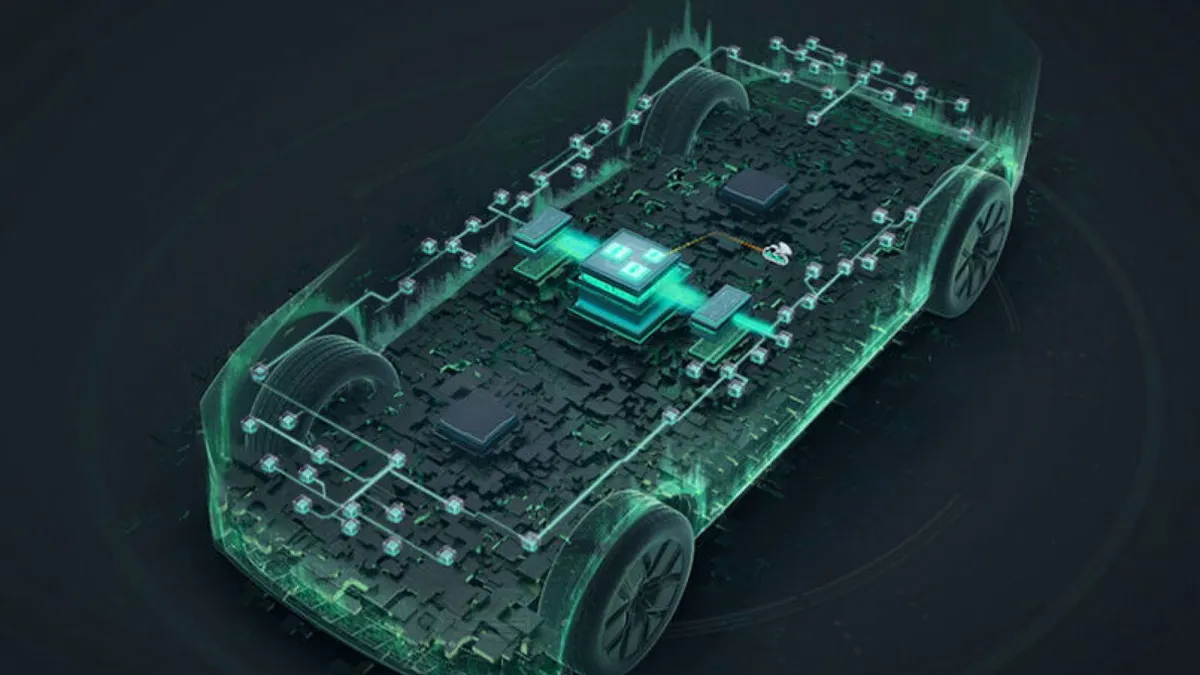
Risks of cyberattacks targeting software defined vehicles are among the chief concerns of automotive developers.
That is among the top-level takeaways of a survey by QNX, a division of BlackBerry, in its second annual report called Under the Hood: SDV Developer Report, announced in the company’s Oct. 20 release. The global survey of 1,100 embedded software developers found that there is a high overall level of confidence in development productivity and compliance capabilities.
However, In the U.K., developers said that too many resources are being spent on foundational software and integration, rather than focusing on developing new vehicle features and user experiences to add greater value to automakers’ products.
Debugging and testing software is now the leading challenge for U.K. developers, up from fourth in QNX’s 2025 report. According to the company, 52% of U.K. respondents identified it as one of their biggest concerns, up from 39% last year and higher than the 44% global average.
On the global scene, security is the main worry for the future of automotive software, cited by 48% of developers. In addition, 83% of developers expect SDVs to become a major cyberattack target within three years.
The report finds that developers spend an average of 35% of their time on foundational software integration, rather than building differentiating vehicle features.
The lack of a common, reusable software foundation is slowing SDV development, said 75% of the survey responders.
Developers are taking a more cautious view of artificial intelligence with 25% expecting the technology to be transformational, down from 36% in 2025, while 62% expect it to become a significant part of development workflows.
“The industry is facing a complexity management challenge,” said Justin Moon, QNX’s VP of core product engineering. “Automotive software developers are trying to solve the same integration, software development and safety problems time and time again, and when a third of engineering effort goes into rebuilding software below the application layer, that is a third of the effort not going into the differentiating features drivers actually notice,” he added.