

Stellantis’s French Citroën brand can only compete against Chinese manufacturers of battery-electric vehicles when it can match their production costs.
That’s the message from CEO Thierry Koskas when asked by BBC Business whether European Union tariffs on Chinese imported BEVs are helping legacy automakers compete against the rising invasion of new brands.
“It is not about tariffs,” Koskas insists. “We have to be able to compete against Chinese automakers on the cost of production.”
He claims Citroën achieved this with the launch of its own entry-level BEV, the Citroën ëC3, which “sells for just €23,000” ($26,000) because price is vital in attracting consumers to make the switch.
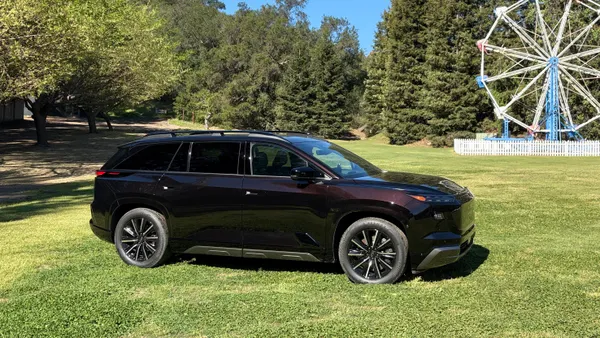
Koskas is hoping the brand will be able to repeat the feat on matching Chinese prices with the BEV version of the new C5 Aircross midsize SUV launching this week.
This will come to European markets in the second half of 2025 as a plug-in hybrid version, claiming a 62-mile (100-km) electric-only range in urban areas, and a full-electric version with up to 422 miles (680 km) between charges.
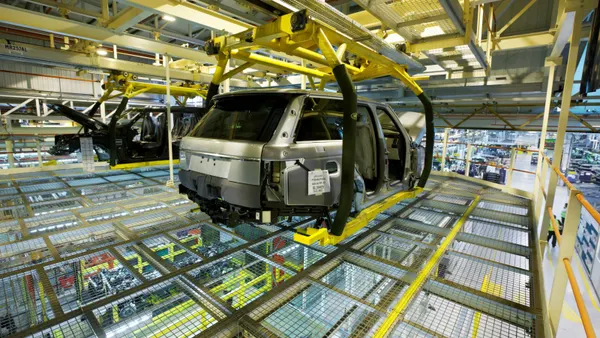
However, to achieve the lower costs of production, Citroën currently builds its ëC3 BEV at the Stellantis facility at the Trnava site in Slovakia and most recently at the highly automated Kragujevac plant in central Serbia, where labor costs are significantly lower than in the brand’s domestic French market.
Automation is also going to be a key feature of BEV manufacturing, raising the specter of fewer jobs overall in the car making process as predicted by some auto executives including those with Mahle and Toyota.