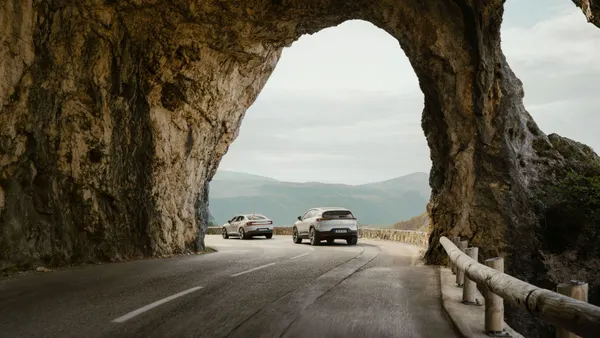



Polestar vehicle battery packs will now feature 50% of their cobalt content as recycled material starting with its Polestar 2 and Polestar 3 models.
The company’s move is in line with its circularity strategy to reduce reliance on virgin materials, increase visibility across the value chain and keep resources in use for longer, Polestar said in a March 24 release.
It is focusing on extending the service life of battery packs by partnering with Volvo Cars battery centers. When batteries need replacement on the Polestar 2 and 3, owners will receive a refurbished replacement to help the vehicles maintain their residual values and reduce the impact on the environment.
Polestar said it is creating recycling partnerships across all its markets. Some examples of the brand’s commitment to sustainability in its products including extensive use of recycled aluminum and steel, base carpets and inlay carpets based on Econyl polyamide, and yarn made from waste plastic bottles.
It claims a focus on reducing material complexity, modular design, mono-material solutions and circular use.
In lowering the amount of cobalt, Polestar will be able to dodge some of the concerns surrounding this ingredient, including surging demand, global price swings and a dependence on sourcing from the Democratic Republic of Congo.
The company is using Life Cycle Assessments to evaluate CO2 emissions for its electric vehicles. The Polestar 2 was its first product to feature blockchain-traced cobalt, setting a new benchmark for supply chain accountability.
Polestar also claims to have reduced relative CO2 emissions per vehicle by 25% since 2020, when it started deliveries of its first fully electric model, the Polestar 2. But it didn’t yet state whether the circular cobalt sourcing would affect this aspect.
“To drive a Polestar is an intentional choice by customers who care about tomorrow,” said Fredrika Klarén, head of sustainability at Polestar. “Electrification, powered by renewable energy and enabled by circular battery materials, points to a new kind of system: one where resources stay in use and abundance replaces depletion.”