

Connectivity with the global rollout of 5G networks is nearing the tipping point of total coverage that will enhance the monetization of services through the software defined vehicle (SDV).
However, there are still challenges to face in the rollout and monetizing consumer services is still a vague area that few know how to exploit, Barbara Pareglio, smart mobility lead at the mobile industry association, GSMA, told WardsAuto in an interview.
While she accepted that the number of 5G standalone networks, which have risen from just 20 in 2020 to 163 operators in 65 countries today, is reaching the point of scale, there is still a global gap to convert the number of non-standalone (NSA) providers.
NSA networks use existing 4G LTE network technology and therefore are not categorized as true 5G standalone systems.
“We probably have about 250 that are 5G NSA, so those are the potential to go to the standalone that's where you see the big gap, so we still have a lot of work to get to the standalone,” explained Pareglio.
Yet, perhaps a bigger challenge for the SDV automaker is how to make money from the extra bandwidth that 5G can provide consumers on the go.
Pareglio believes that the easiest path for automakers to take is forming partnerships with third-party service providers with product offerings that are transportable into the vehicle cabin experience.
“Connectivity is not just for the consumer, or the owner of the car, but it's also for services related to parts of the car,” she suggested.
Vehicle components, such as tires, could be connected so that suppliers are automatically alerted when maintenance is required. The parts can automatically be ordered when needed and a service appointment booked as a way for automakers to earn from their vehicles’ improved connectivity.
At the moment, Pareglio sees the low-hanging fruit for automakers coming from fleet services. Fleet operators require that their vehicles remain on the road with as little disruption possible, and their trusted partners can be notified of service and maintenance needs via direct communication with an SDV.
“Automakers are good at making the cars but services are not their forte, so they would say they need support from someone else who is good at the services that they can then monetize.”
The problem with consumers, however, is that no one has been fully successful in identifying how they will use the extra 5G network capacity in their vehicles, explained Pareglio.
BMW’s failed attempt two years ago to charge a subscription for heated seats, for example, backfired horribly after customers reacted negatively to being charged to use hardware already installed in their vehicles.
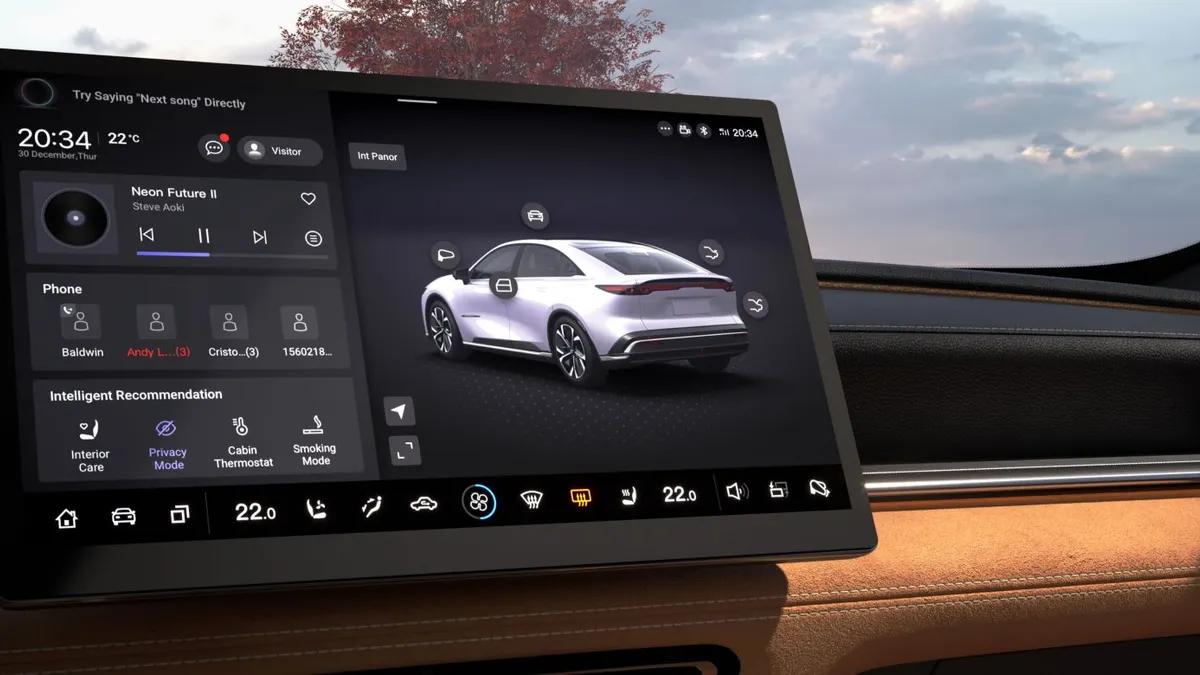
However, vehicle infotainment systems are much more likely to become a future revenue stream for automakers, said Pareglio.
“Where it's probably best suited to monetize is the fact that consumers may want connectivity for infotainment,” she said. “But infotainment is not a given, in my opinion.”
Better connectivity in the car than through your handset may be the differentiater here, Pareglio added.
“For example, if I want to watch Netflix, I have the subscription on Netflix and I can use it on my own phone but if I need to have better services, such as the use of several headrest mounted rear screens, I would want to have that better capability.”
She expects that advancements in automated driving will create an opportunity for monetizing entertainment services, such as in-vehicle gambling, with riders paying for these extra services once they are available.
In the meantime, monetization will depend on the experience customers buy into when they select a certain car brand.
“It depends on the brand and, even, it may depend on the country where the vehicle is being sold,” explained Pareglio. “Automakers have a lot to work out, what will work and will not work.”