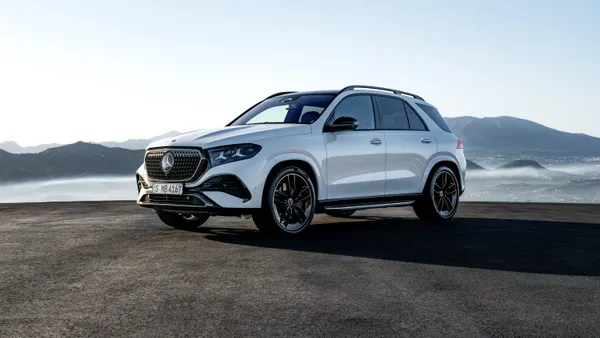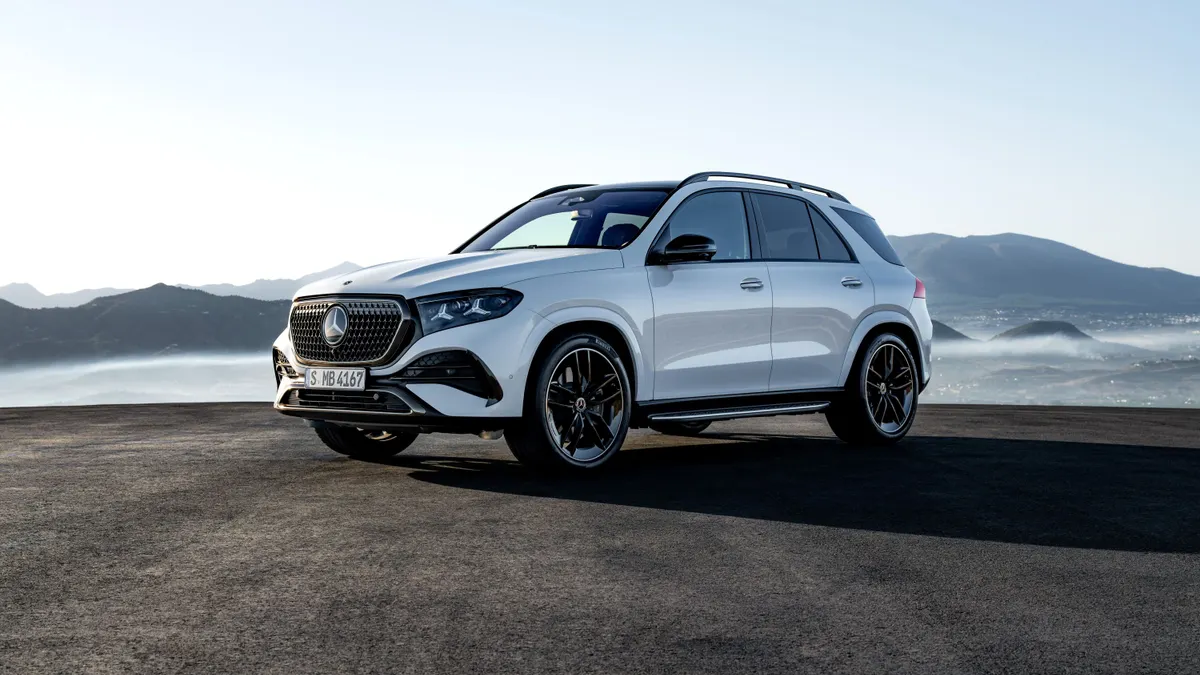
Mercedes-Benz has unveiled a comprehensive round of updates for its midsize GLE and larger GLS SUVs, which are both produced at the company's Tuscaloosa plant in Alabama.
The refreshed SUVs arrive with significant changes to their interiors, electronic architectures and drivetrains as the German automaker seeks to defend its position against the BMW X5 and X7, as well as the Audi Q7 and upcoming Q9.
It’s the third facelift for current model cycle of the GLE and the more luxurious seven-seat GLS.
The scope of the updates is described by Mercedes-Benz as being more substantial than in any previous facelift of the two models, effectively bringing the GLE and GLS to the same technological and appointment level as the recently unveiled facelifted S-Class sedan in many areas. Mercedes-Benz faced the challenge of keeping its larger SUV models competitive until planned replacements arrive next decade. The result: over 3000 new or modified components across the two nameplates, it claims.
Outside, Mercedes-Benz restyled the GLE and GLS with the brand’s latest design lineage. The front end includes a new grille with illuminated surround and contour lighting, plus restyled headlamps featuring digital light technology with a dynamic high beam function with range of over 650 yards, according to the company.
More luxurious interior and more screen space
Inside, Mercedes-Benz has focused much of its efforts on providing the GLE and GLS with a more advanced and more luxurious cabin, centered around the latest version of the Mercedes-Benz Operating System (MB.OS), with a new steering-wheel design and updated controls.
Already brought to other recent new and upgraded Mercedes-Benz models, it receives a water-cooled chipset supporting AI capability to power a new MBUX Superscreen within a heavily revised dashboard. This setup combines a 12.3-inch display for the instruments, a 14.4-inch centrally-mounted touchscreen for the infotainment and another 12.3-inch touchscreen for the front passenger in one panel. The second row can also feature an optional MBUX rear entertainment system, which adds two 11.6-inch touch displays.
Lots of changes under the hood
Mercedes-Benz now gives North American GLE buyers a wider choice of gasoline engine choices than before. Options include a turbocharged 2.0L four-cylinder engine producing 255 hp; a 375-hp turbocharged 3.0L inline-six; and turbocharged 4.0L V8 rated at 530 hp.
The automaker also offers a plug-in hybrid model badged as the GLE 450e producing a combined 429 hp, while a GLE 53 Hybrid sits atop the PHEV lineup delivering 577 hp and support for 60-kW DC fast charging.
All GLE models come with a nine-speed automatic transmission and reworked 4Matic four-wheel drive system with low-range off-road driving modes.
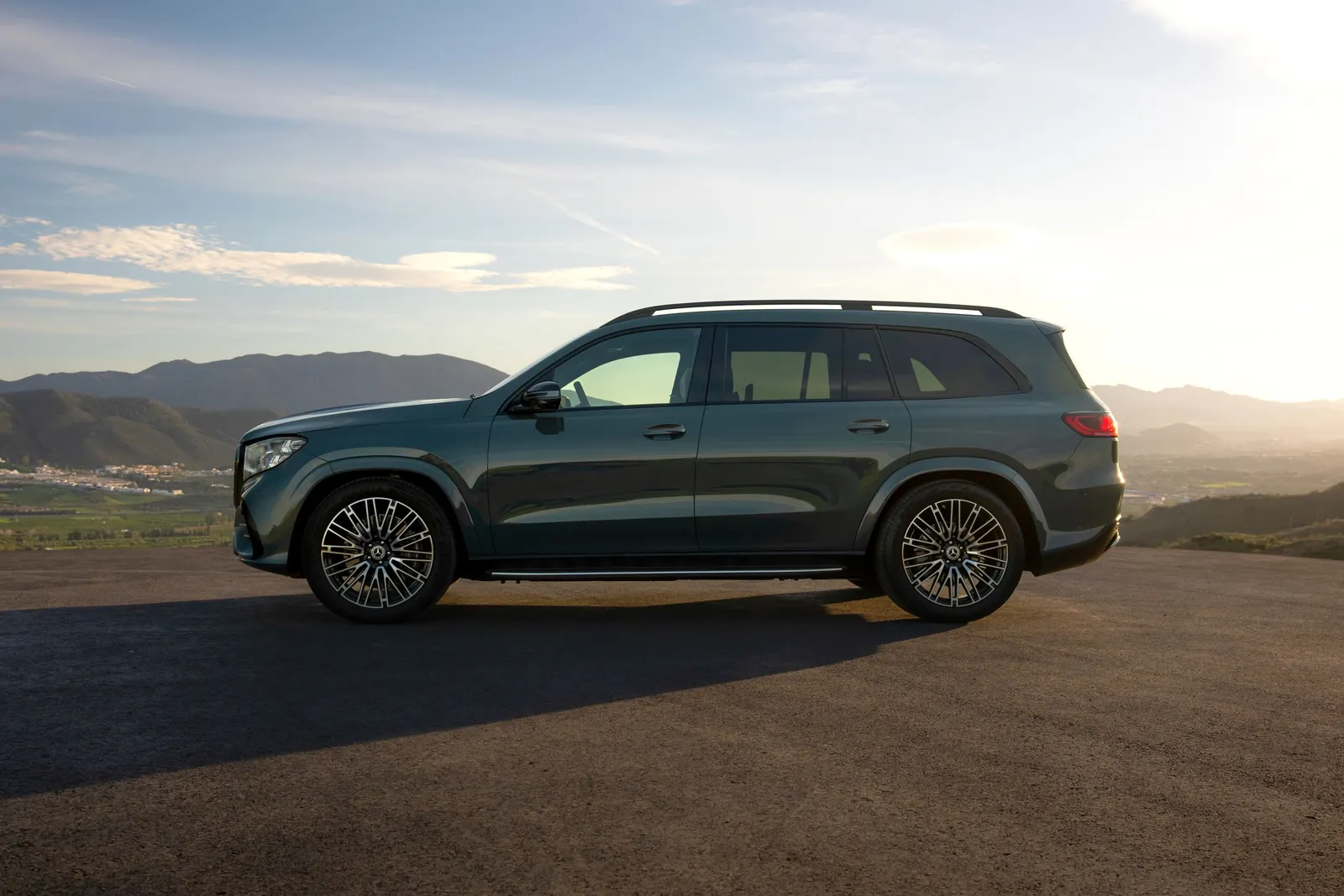
The GLS, meanwhile, receives a less extensive range of engines. It shares the turbocharged 3.0L inline-six in 375-hp form and the turbocharged 4.0L V8 producing 530 hp, but there’s no PHEV yet.
WardsAuto was told that successor models to the current GLS 63 and GLS Maybach are planned to join the U.S. line-up later this year.
While retaining the same platform and chassis as before, Mercedes-Benz has introduced a new cloud-based damper regulation system for the AirMatic suspension used on various GLE and GLS models. It uses data from other Mercedes-Benz vehicles to anticipate road imperfections.
The optional E-Active Body Control suspension remains available, with control units analyzing road conditions 1000 times per second to adjust spring and damper forces on each wheel individually.
The updated GLE and GLS are in a segment brimming with competition. U.S. pricing has not yet been revealed, though increases over the current lineups are expected considering the upgrades to drivetrain, suspension and computing technology.
The current GLE starts at $62,250, while the GLS begins around $90,250. The facelifted models are due to arrive at U.S. dealerships later this year.