Brad Kokesh is president and COO of TraXtion. All opinions are the author’s own.
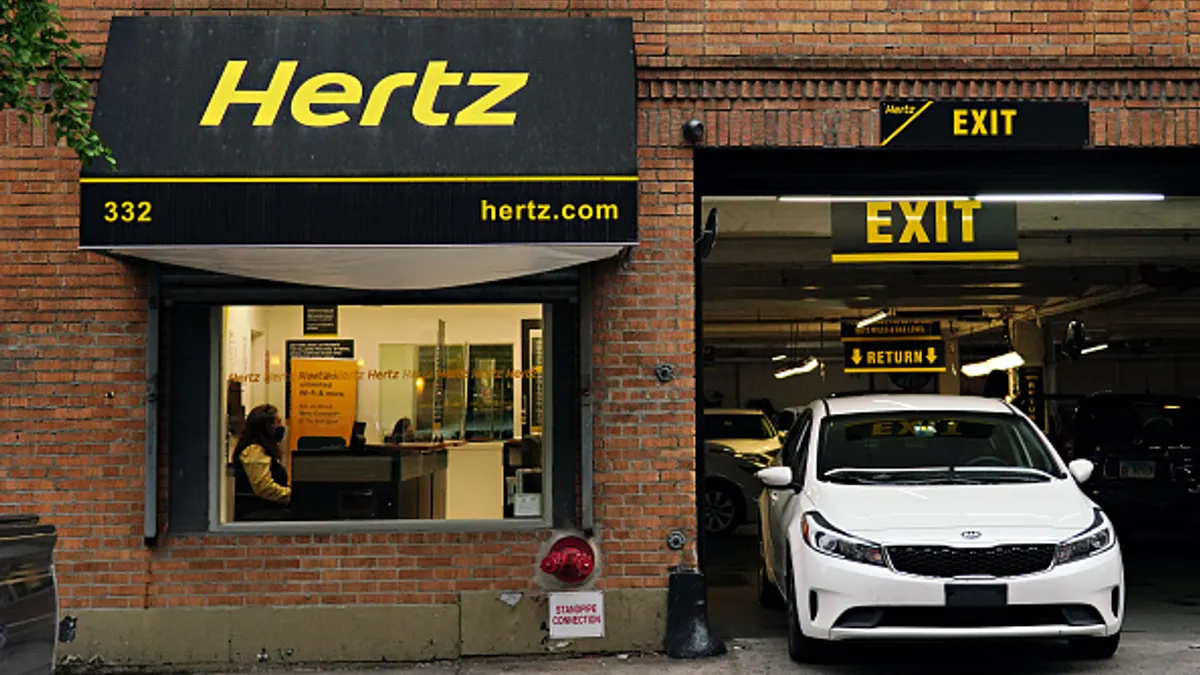
The recent controversy surrounding Hertz, where customers have been charged hundreds of dollars for minor, sometimes invisible, damage to rental vehicles, has sparked a public outcry.
The issue stems from the company’s use of advanced imaging and AI to meticulously document a vehicle’s condition upon return, a process that has been criticized for a lack of transparency and its flagging of issues that previously might have been considered “normal wear and tear.”
While the backlash is understandable, the underlying technology itself represents a significant step forward for the automotive industry, one that must be adopted with a crucial element: balance.
In principle, Hertz’s strategy is sound. By using automated, data-backed inspections, the company can create an undeniable record of a car’s condition. This approach eliminates the subjectivity of a human inspector’s eye and ensures accountability. It shifts the burden of proof, protecting the company from customers who might cause significant damage and refuse to pay, while also potentially safeguarding the next renter from inheriting undocumented issues.
It’s an innovation that aims to bring precision and speed to a previously inconsistent process, and it holds great potential.
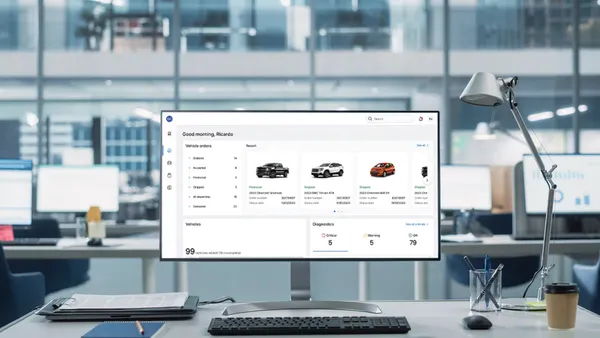
This same technology, if implemented thoughtfully, the technology is a true win-win for service lanes, repair shops and their customers. Service lanes, for example, can use the technology to perform a free “digital diagnostic” scan, showing a customer exactly where vehicle damage is and providing a transparent, itemized repair estimate. This not only builds trust but also allows shops to identify minor issues – a small dent in the bumper, or a small door ding that they could offer to fix.
The technology can lead to new, legitimate revenue streams for businesses while giving consumers peace of mind and full transparency by identifying flaws – if any. It’s a truly balanced solution. It also ensures a more clear vehicle reconditioning process.
Instead of a subjective walk-around, a vehicle passes through a digital inspection system, generating an immediate, irrefutable report on its overall condition. This guarantees the customer a fair, data-backed trade-in offer while providing the dealer with a detailed report of the used vehicles in their inventory.
This technology can also be used to document the condition of every vehicle in a certified pre-owned program or to log the state of loaner vehicles before and after return, protecting both the business and the consumer from false claims. This proactive, data-driven approach builds invaluable customer trust and gives consumers peace of mind. It can turn what would have been overlooked “wear and tear” item into an opportunity for both a service provider and their customer.
Ultimately, the Hertz AI-powered vehicle inspection process serves as a powerful case study for the entire automotive industry. The technology behind precise vehicle inspections is not the problem, it’s the way it’s currently being used. When implemented with a more human-centric approach that prioritizes transparency, fairness and clear communication, the innovative technology can help streamline operations and create new revenue streams for businesses, while simultaneously building trust and improving the customer experience.
The key is to find the right balance – embracing technological precision without sacrificing the customer's right to a fair and transparent process.