LAS VEGAS — NADA took a victory lap — or two or three — at the 2026 NADA Show to celebrate big public policy wins in 2025, but there was a warning along with the hugs and high-fives: no slacking off in lobbying in 2026, starting with the ongoing fight over direct sales to consumers.
“Our primary mission is to make sure the franchise system is protected,” said Mike Stanton, NADA president and CEO in a speech on Feb. 4.
Specifically, protected from any further growth in direct-to-consumer sales. Stanton said 96.2% of 2025 U.S. new-vehicle sales were through franchised dealers. Tesla accounted for almost all the remainder. If it can’t be 100%, NADA doesn’t want that number getting any higher.
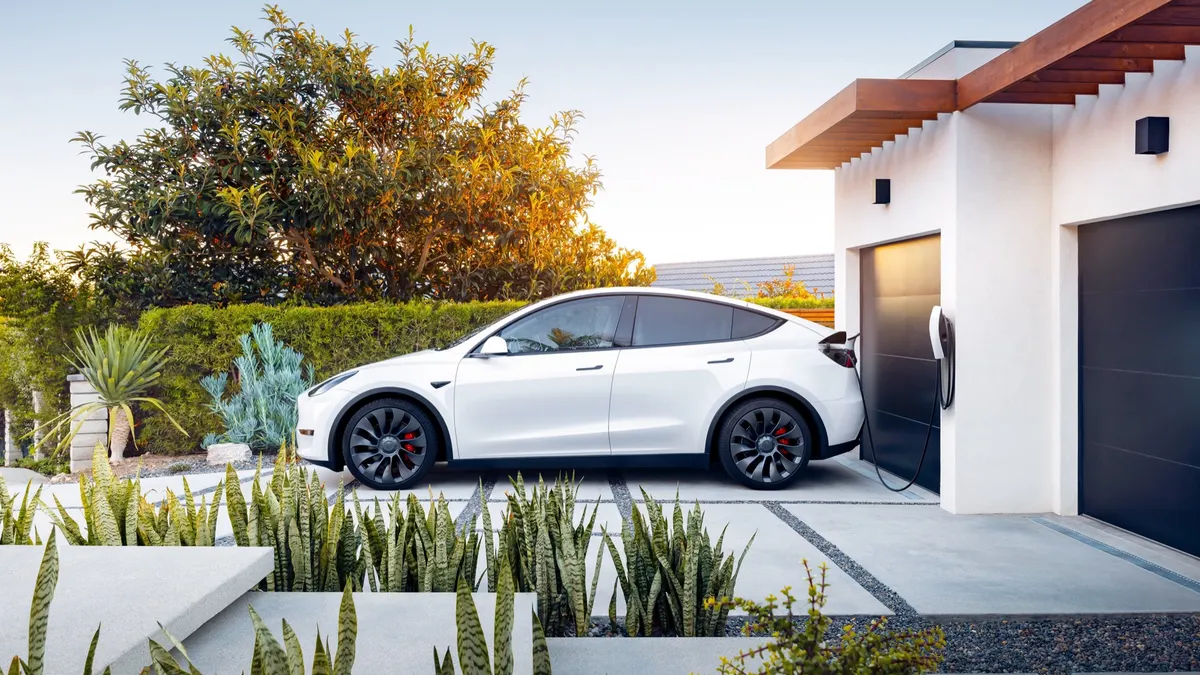
It was one thing, and bad enough in NADA’s view, when startups like Tesla successfully launched direct sales in several states over determined opposition from state dealer associations and NADA.
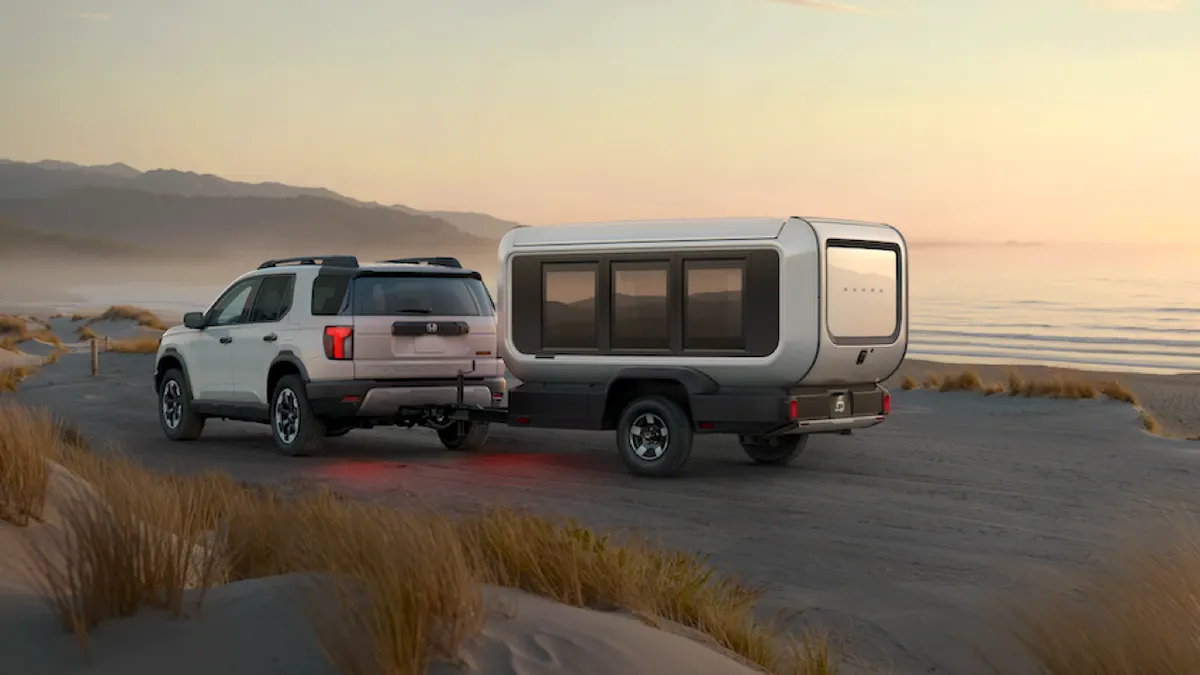
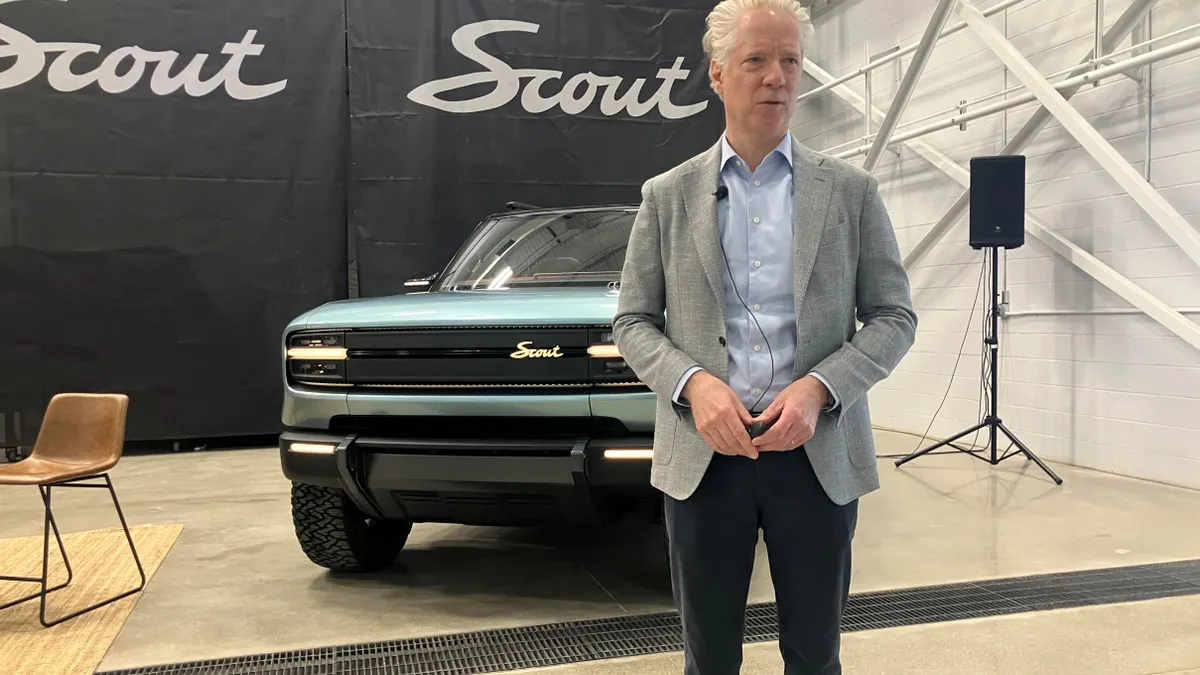
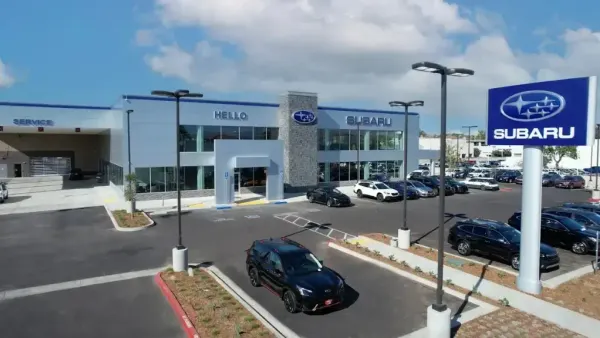
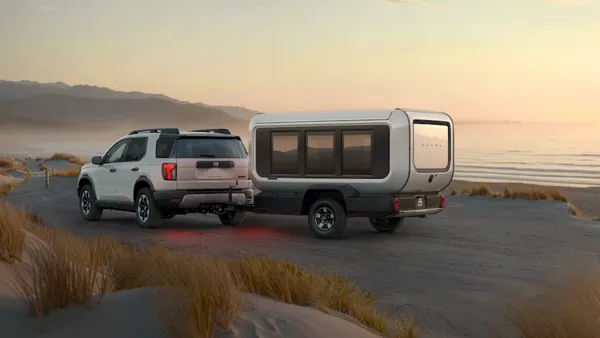
But what really makes NADA see red is legacy automakers proposing direct sales, like Volkswagen with its Scout brand, and Sony Honda Mobility, a partnership to produce the Afeela 1 EV.
Stanton called those “foolish decisions” to employ direct selling, as it threatens to change OEM partners into competitors.
Victory lap(s)
But about those 2025 wins. To be fair, the big public policy wins were really, really big, from NADA’s point of view:
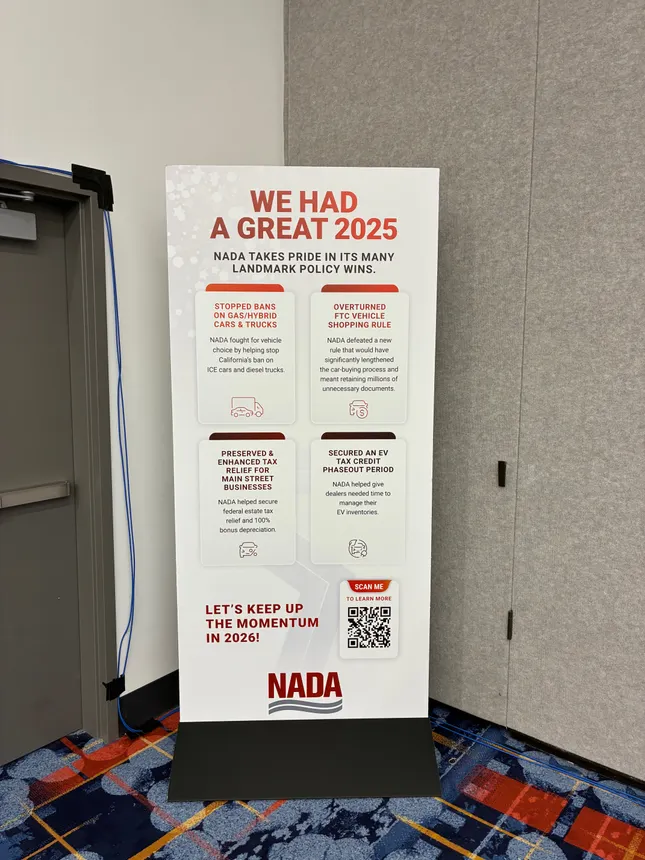
- the cutoff of federal tax credits for battery-electric vehicle purchases, with a phaseout period NADA supported, to help dealers manage their inventories;
- the Trump administration’s repeal of California’s Environmental Protection Agency waiver, which allowed it to make its own stricter emissions regulations that were mimicked by a dozen other states; and
- the defeat of the Federal Trade Commission’s Combating Auto Retail Scams rule, which would have added F&I disclosures and paperwork in the buying process, and which NADA considered redundant, time-consuming and burdensome for customers as well as dealers.
“The paperwork for a loan would have been incredible,” along with new requirements for dealer retention of all that additional paperwork, said Paul Metrey, NADA executive vice president for public policy, in a presentation Feb. 5.
In the presentation, Metrey crossed items off a list of NADA’s public-policy goals for 2025, and he shared a new list of priorities for 2026, with some holdovers.
To-do list
The holdover goals include reducing federal greenhouse gas requirements, now that the California waiver from federal standards on emissions rules has been dropped.
Metrey said the move to limit the California Air Resources Board’s emissions-setting authority in June 2025 “doesn’t solve the problem. EPA also has standards,” he said. NADA would like to see the federal rules changed to further reduce what NADA sees as pressure to buy electric vehicles beyond what consumers demand.
NADA also would like to see Congress pass the NADA-endorsed Preventing Auto Recycling Theft (PART) Act, aimed at reducing thefts of catalytic converters, which didn’t get done in 2025.
In terms of tariffs, last year’s priorities included confining the target of heightened tariffs to China — which clearly can’t be checked off. The 2026 NADA tariff-related agenda item becomes “support reduction in tariffs affecting vehicle affordability.”
Also in 2026, NADA wants to continue to oppose so-called “Right to Repair” legislation, in which the aftermarket service industry accuses OEMs of not sharing sufficient data to allow the independent shops to repair vehicles, and which the OEMs flatly deny. That has been an ongoing, state-by-state fight.
Pep talk
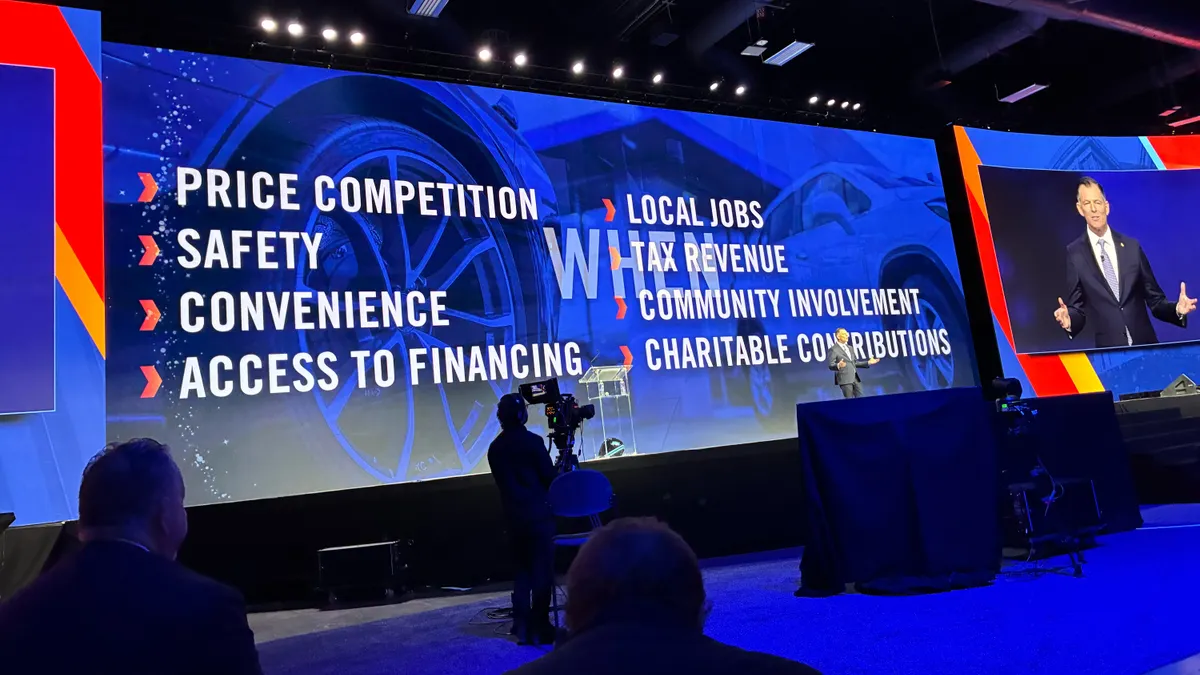
Like other NADA executives, Metrey also gave dealers in the audience a pep talk — standard at every annual NADA Show — about their grassroots political clout.
He encouraged dealers to invite their elected representatives to their dealerships.
“You employ a lot of people,” Metrey said. “Meet legislators where you are.”
The outgoing NADA chairman for 2025, Florida dealer Tom Castriota, who shared the stage with Stanton on Feb. 4, hammered the theme.
“Who supports the Girl Scouts? Who supports the Boy Scouts? Who supports the local hospital? Churches? Youth sports? Schools? Community programs? When there’s a disaster, who shows up? Dealers show up,” Castriota said.
“Dealers are America,” he said. “We are the DNA of this country.” Castriota, a U.S. Marine Corps veteran, and his wife, Anita, own Castriota Chevrolet, Hudson, Fla.
Thinking long-term
In a separate speech on Feb. 5, incoming NADA Chairman Rob Cochran said his agenda for 2026 is to think more strategically about the long-term effects of the association’s short-term battles.
“We have got to focus more and more on strategic issues,” he said. Cochran is president & CEO of #1 Cochran, a 35-store group based in Monroeville, Pennsylvania, outside Pittsburgh.
Those long-term issues include geopolitics, especially the role of China’s emergence as a global auto industry superpower, Cochran said.
Second is what Cochran called “government control of how vehicles are powered.” True, NADA won a battle in 2025 that brought “more clarity and sensibility” to EV adoption, but the rollout of EVs continues, Cochran said.
Third, Cochran said, artificial intelligence — another big buzzword at the NADA Show — already is clearly going to affect “how customers shop, how we staff our dealerships, how the OEMs align — or don’t align — with us in three years, five years, seven years.”
Elbows up
Cochran said there’s a lingering sentiment among policy planners, a hangover from the Great Recession and bankruptcy for General Motors and Chrysler in 2009. Politicians and the OEMs bought into the idea that dealers represented a costly burden on the factories, which resulted in thousands of dealerships losing their franchises.
Meanwhile, NADA commissioned a study that concluded dealers represent hardly any additional cost for OEMs to distribute their products, and when you factor in how much dealers spend on their facilities, dealers represent a cost savings for the OEMs, Cochran said.
“This discussion is not over,” he said.
To get ahead of the issue, Cochran said NADA has commissioned a new study to take a “deep dive” on customer satisfaction.
Dealers should “improve the customer journey, before someone else tries to regulate it, or legislate it, for us,” he said. “We are the most efficient, value-creating channel in retail,” Cochran said.
Separately, Stanton said in his speech on Feb. 4 the dealer association is not going to let up on the direct-sales fight.
“We’re going to win,” Stanton said, speaking slowly and pausing for emphasis. “We’re optimistic that together, we will win.”
Editor's note: This story was updated to clarify NADA's position on the federal EV tax credit and Mike Stanton's position at the organization.