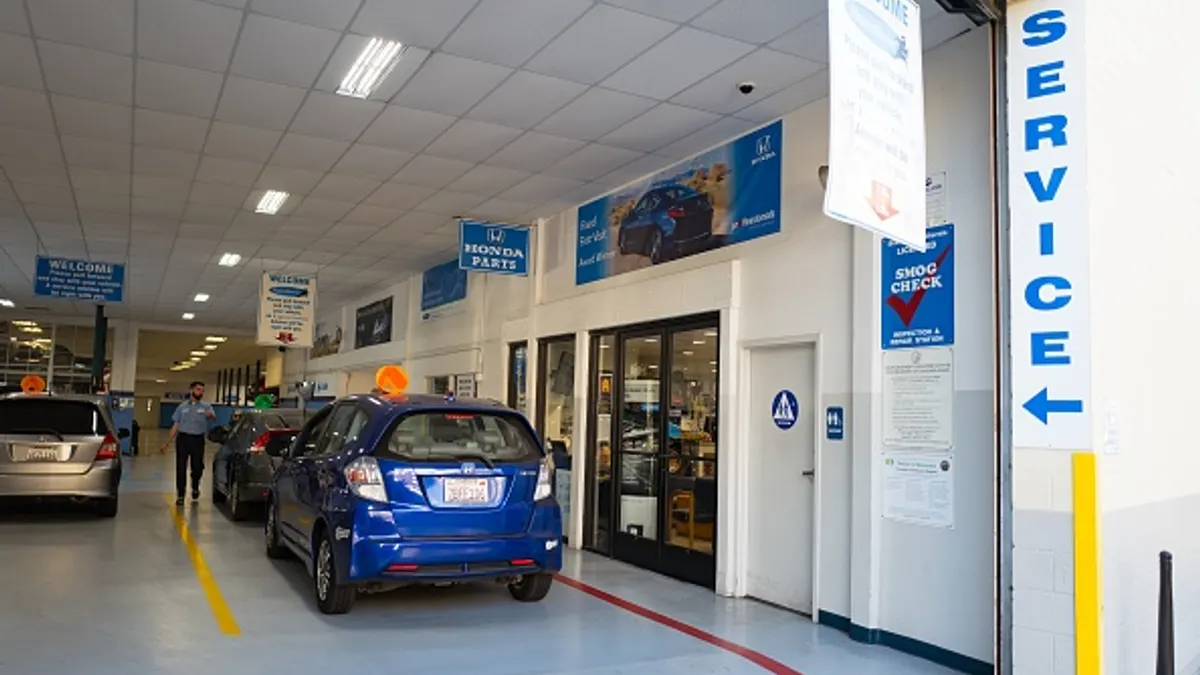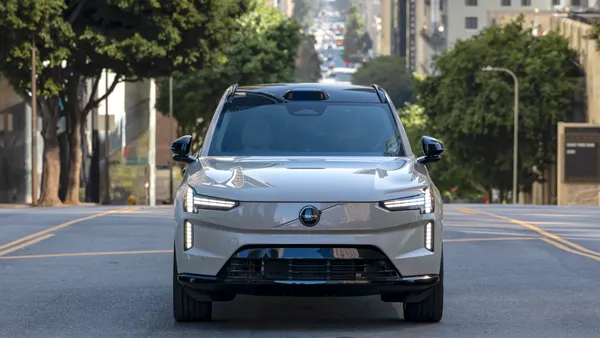
Electric vehicle sales have significantly slowed since the expiration of federal EV tax credits last fall, with January sales of new EVs declining nearly 30% year over year. At the same time, current EV owners are more satisfied with their vehicles than ever before, according to JD Power’s 2026 U.S. Electric Vehicle Experience (EVX) Ownership Study, released Feb. 18.
The annual study, now in its sixth year, focuses on the first year of EV ownership and its index score measures satisfaction for both premium and mass-market segments. The 2026 study was conducted in collaboration with PlugShare, a subsidiary of public EV charging operator EVgo. PlugShare is an app for EV owners using crowd-sourced data to help owners find the most reliable EV chargers.
From August through December 2025, JD Power surveyed 5,741 owners of model year 2025 and 2026 EVs across a variety of factors, including cost, driving satisfaction, battery range, public charger availability, safety and technology features, home charging, vehicle reliability and vehicle service.
The study found that 96% of current EV owners would consider purchasing or leasing another battery-powered model when shopping for their next vehicle.
Owners of premium brand EVs reported a sizable increase in satisfaction with an average score of 786 points (on a 1,000-point scale), which was 30 points higher than last year’s score of 756, per JD Power. Mass-market owner satisfaction rose more modestly, increasing two points from 725 to 727.
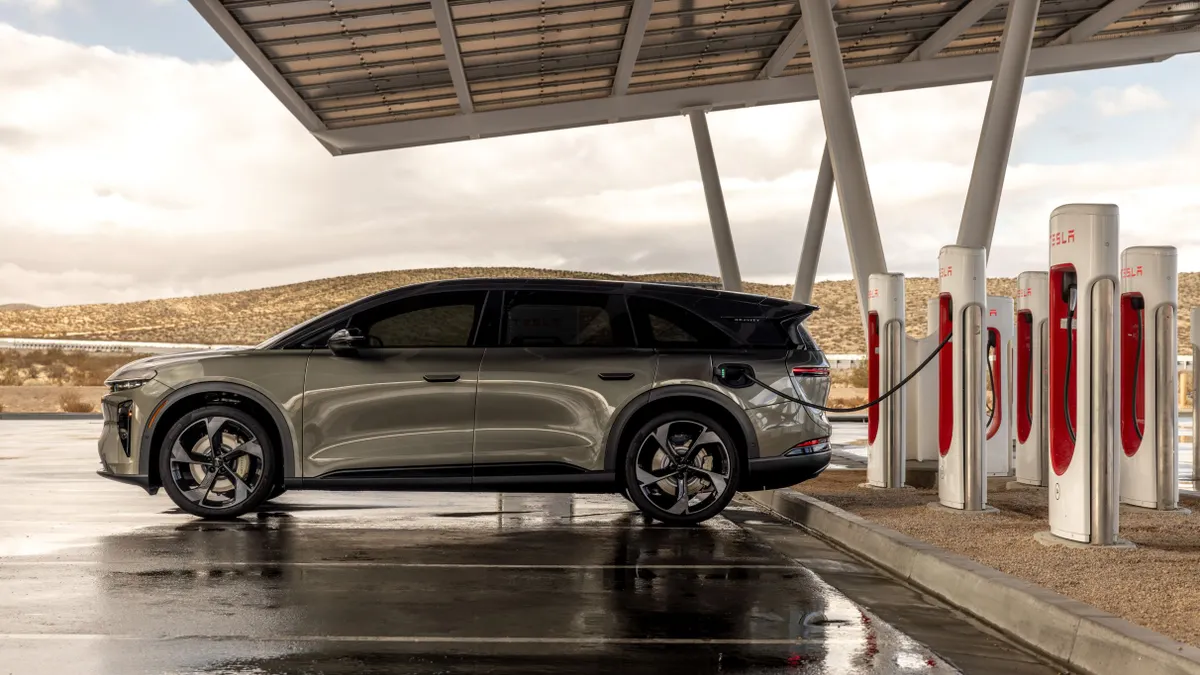
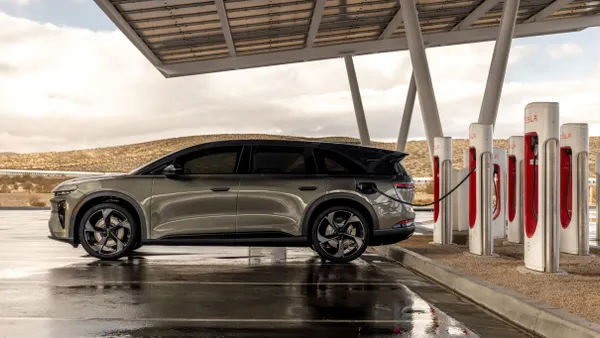
The availability of public chargers was the most improved factor influencing customer satisfaction across both the mass-market and premium EV segments, the study found. It reflects public charging infrastructure growth, as well as more automakers adopting Tesla’s North American Charging Standard port for their new EVs, giving their customers access to Tesla’s nationwide Supercharger network.
Fast-charging infrastructure expanded 30% in the U.S. in 2025, according to data analytics firm Paren, adding roughly 18,000 new DC fast-charging ports.
Premium EV owners driving vehicles such as the Tesla Model 3, Cadillac Optiq and Lucid Air expressed an average charger availability satisfaction score of 652, an increase of 101 points from last year’s study.
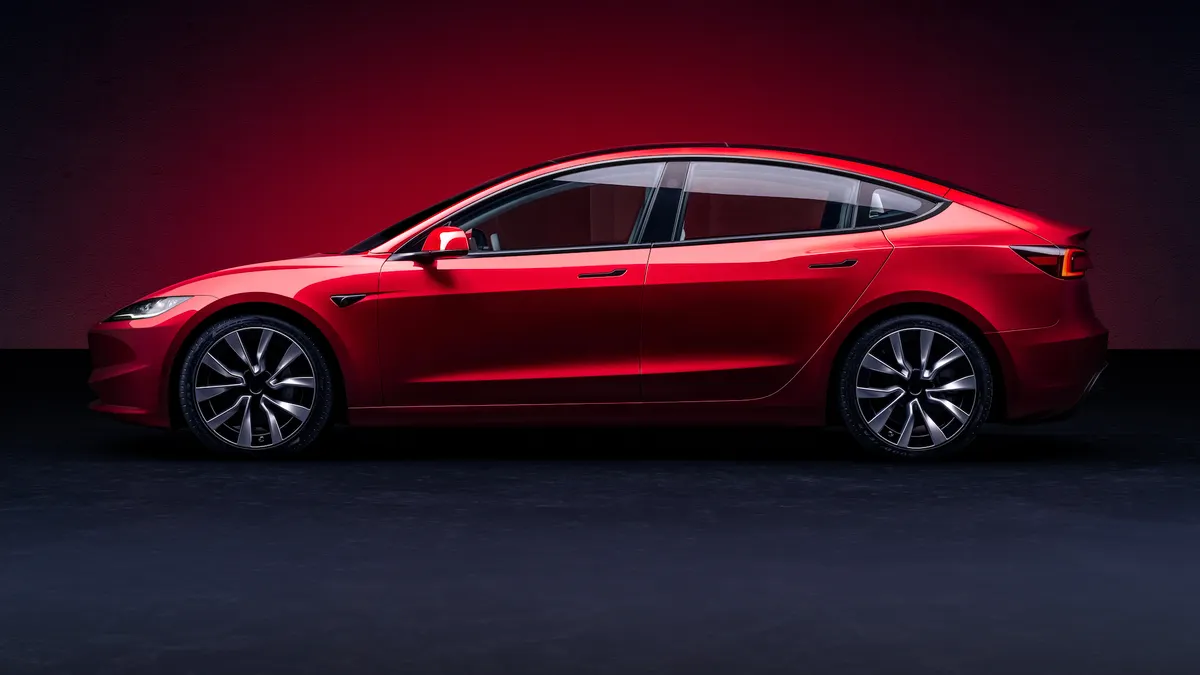
The Tesla Model 3 received the highest average customer satisfaction score (804) among the nine award-eligible models in the premium segment compiled by JD Power. The second highest was the Tesla Model Y (797), followed by the BMW i4 (795).
For owners of mass-market EVs, including the Ford Mustang Mach-E, Chevrolet Equinox EV and Hyundai Ioniq 5, the charger availability score was 511 points, up 115 points year over year. The Mustang Mach-E received a top score of 760, followed by the Hyundai IONIQ 6 (748) and Kia EV9 (745).
In addition to higher satisfaction with charging access, total problems experienced by EV drivers also improved, particularly among owners of premium brands, JD Power found. Problems per 100 for premium vehicles dropped from 90.9 to 75 — the best-ever quality performance for the segment, per the study.
JD Power pointed to fewer issues with advanced driver assistance technology, as well as noise reduction both inside and outside the vehicle as key factors driving this improvement.
“Improvements in battery technology, charging infrastructure and overall vehicle performance have driven customer satisfaction to its highest level ever,” Brent Gruber, executive director of the EV practice at JD Power, said in a statement.
The study also found that EV owners are more satisfied with their vehicles compared to drivers of plug-in hybrid models, particularly regarding cost of ownership. EV owners rated cost satisfaction more than 100 points higher than drivers of PHEVs.
Among premium brands, the EV cost satisfaction score was 114 points higher than drivers of PHEVs and 117 higher for the mass market segment. JD Power noted that plug-in hybrid vehicles require maintenance similar to gas-powered vehicles, which may have contributed to the lower scores.