

European automotive manufacturers’ representative body has given a cautious welcome to the framework tariff deal agreed between the U.S. and the European Union.
The deal, which reduces overall imports of most European products down to 15% against the previously threatened 30% with zero tariffs on U.S. imports into the Continent, has been agreed between U.S. President Donald Trump and European Commission President Ursula von der Leyen.
This deal, which also sees automotive import tariffs reduced from 27.5% to 15% and the lowering of business anxiety over more punitive measures, has been welcomed by Sigrid de Vries, director general of the European Automobile Manufacturers’ Association (ACEA).
“Nevertheless, the U.S. will retain higher tariffs on automobiles and automotive parts [compared to the beginning of the year], and this will continue to have a negative impact not just for industry in the EU but also in the U.S.,” says de Vries in a statement in response to a WardsAuto enquiry.
She adds that, with many elements of the agreement still needing to be clarified, the ACEA says it will continue to assess the ongoing effects of the tariffs on Europe’s vehicle manufacturing.
“Looking forward, the EU and the U.S. should focus on reducing obstacles to vital transatlantic automotive trade, paving the way for stronger economic ties and shared prosperity,” de Vries adds.
Also sounding a warning bell is the German Association of the Automotive Industry (VDA), which says in a statement that it is pleased the framework of an agreement has been arrived at, but adds a clear outcome is the 15% tariff will “cost the German automotive industry billions annually” and will burden Germany’s automakers, at a time when they are shifting their lineups from internal-combustion-engine models to those that are partially or fully electric.
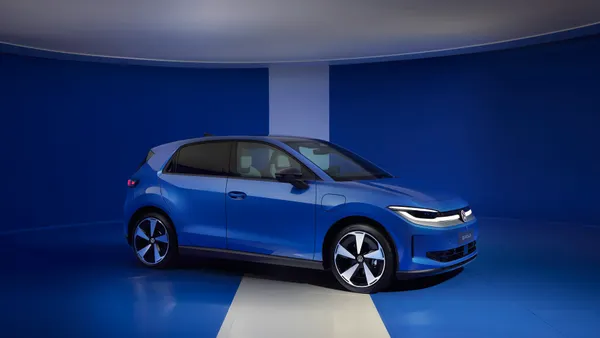
The best-selling German automakers in the U.S. – BMW, Mercedes-Benz and Volkswagen – each are readying new-generation plug-in hybrids and/or battery-electric vehicles, including the former’s Neue Klasse series of BEV models due to arrive in the States in 2026. PHEVs and BEVs, due to their relatively expensive lithium-ion battery packs, already carry a pricing premium over ICE models.
The VDA also notes it is important that, following the tariff agreement, a solution is found to resolve turmoil being experienced by Europe’s automotive supply chain regarding the “previously interconnected” North American market within the framework of the United States-Mexico-Canada (USMCA) trade agreement. Many European automotive suppliers have production facilities in all three countries, with their auto parts often crossing borders multiple times and previously not tariffed under the terms of the USMCA. Some parts from Canada and Mexico are now subject to 25% U.S. tariffs if they don’t have a certain percentage of North American content.