Editor's note: This story is part of the WardsAuto digital archive, which may include content that was first published in print, or in different web layouts.
Special Coverage
The Flexible Industry
In 1911, six radically different versions of the Model T, ranging from a 2-seat coupe to a 6-seat Town Car, were rolling out of Henry Ford’s Highland Park, MI, assembly plant.
While they shared the same paint color – black – remarkably, the company was building vehicles for six different market segments on a single platform in one facility.
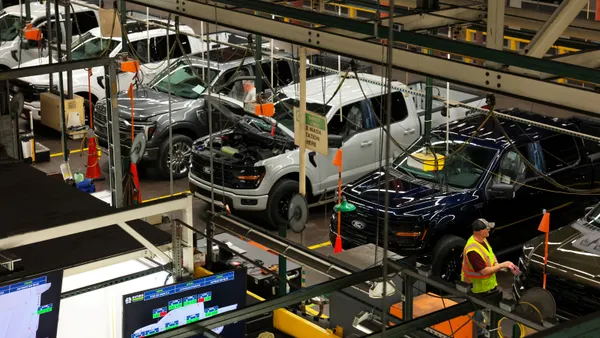
Today, just 20 miles (12 km) from the defunct Highland Park facility, Ford is firing up its former Michigan Truck Assembly plant in the city of Wayne, MI, where multiple configurations of the new Focus C-car, including electric and hybrid versions, will begin rolling off the line together.
They soon will be joined by the new C-Max cross/utility vehicle in what has become one of Ford’s most versatile factories.
In the intervening century since the Model T, Ford, General Motors and Chrysler all largely have addressed the demands of a rapidly growing market by adding capacity to plants once dedicated to building large volumes of a single model.
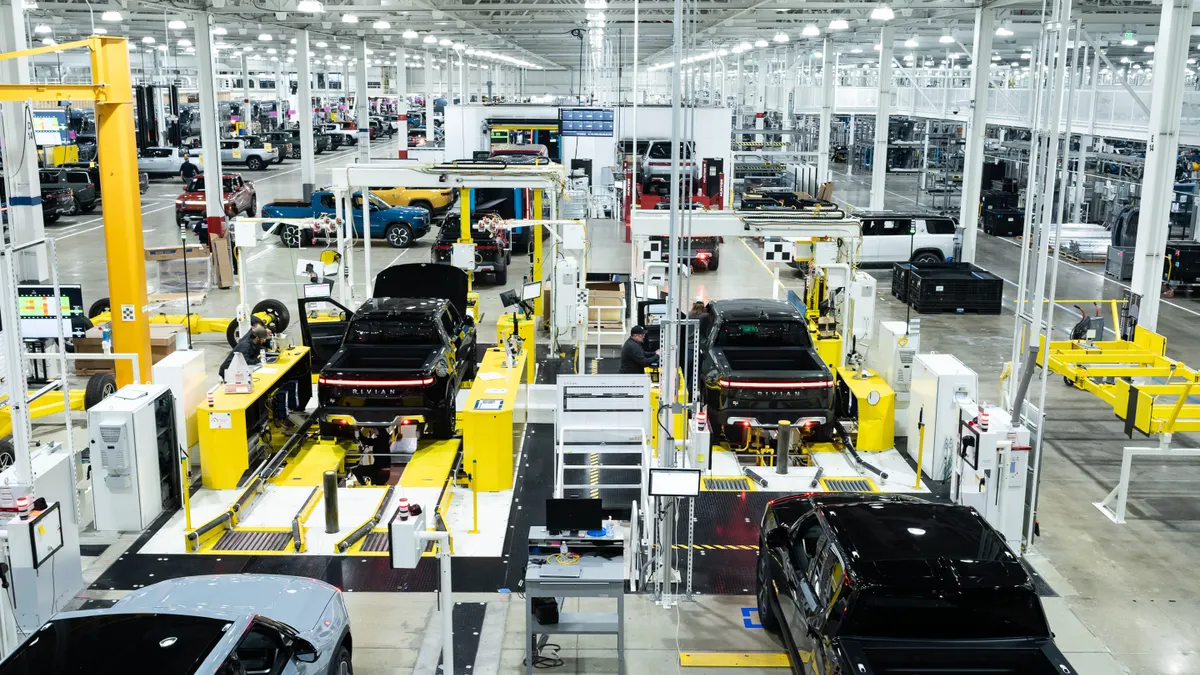
Flexible production – the ability to shift output between products on a single assembly line – has distinct advantages over the 1-vehicle-per-plant model. It allows OEMs to better utilize capacity, adjust inventory to match current demand and avoid overproduction or unnecessary downtime.
Japanese auto makers introduced flexibility to North America in the 1980s. The first transplants could build a variety of vehicles, allowing the newcomers to compete in multiple segments despite working with fewer plants and less capacity than the Detroit Three.
If this new manufacturing strategy tolled a warning bell, it went unheeded as the domestic industry carried its mid-century manufacturing methods into the 21st century.