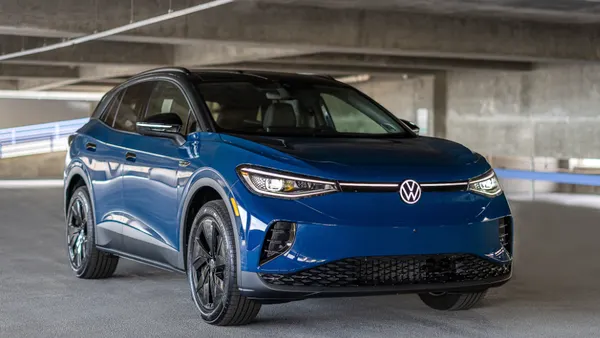

As more EVs and hybrids enter the market, one question is becoming increasingly important: What happens to the battery after the vehicle leaves the factory?
That question is where EV Battery Solutions by Cox Automotive operates.
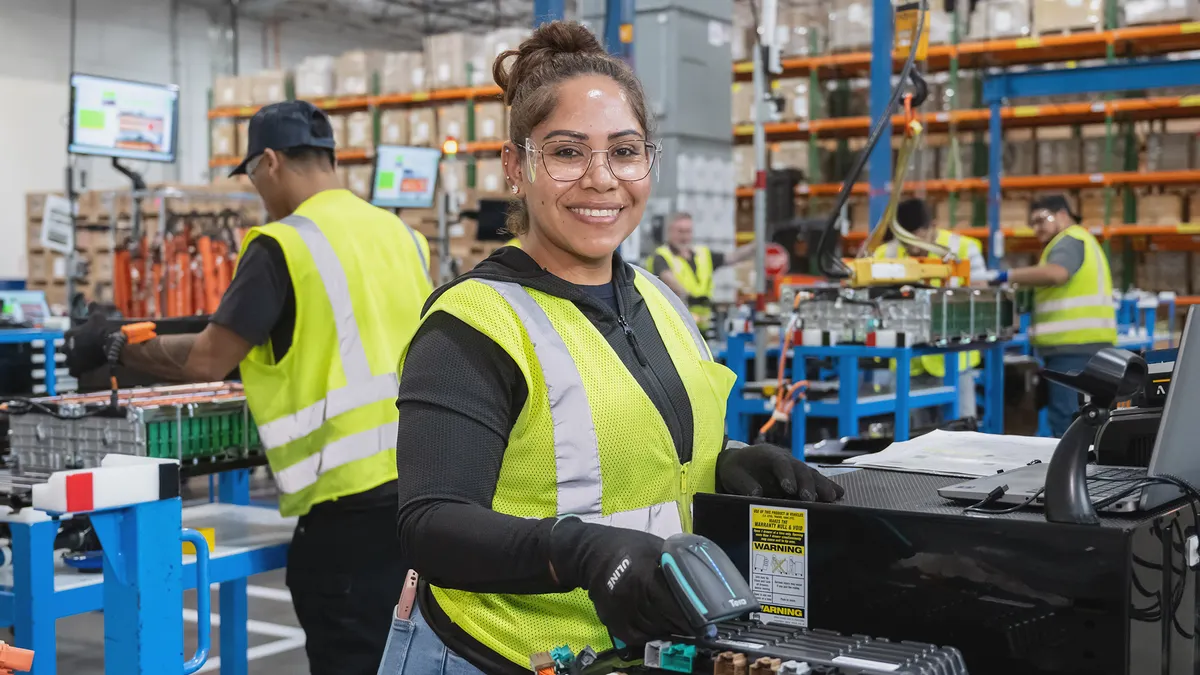
EV batteries are among the most valuable and complex components in modern vehicles. They are central to the customer experience, OEM brand reputation, dealer efficiency, fleet uptime and the long-term economics of electrification. When a battery needs diagnosis, repair, storage, transportation or responsible end-of-life processing, the work requires more than general automotive expertise. It requires specialized facilities, trained technicians, engineering depth, safety discipline and the ability to move quickly at scale.
EV Battery Solutions was built for that challenge.
The business extends the life and protects the value of EV and hybrid batteries by managing the full life cycle, from diagnostics and repair to refurbishment, re-manufacturing, logistics, storage and recycling. Its work helps keep vehicles on the road longer, avoid unnecessary battery replacement, reduce customer inconvenience and recover as much value as possible at end of life.
For many clients, EV Battery Solutions acts as an extension of their own operations. The team partners with 26 OEMs representing approximately 85% of the U.S. auto market, supporting programs that require technical precision, operational discipline and trust. Whether diagnosing a pack issue, repairing a high-voltage component, remanufacturing a battery to defined performance standards or safely managing returned cores, EV Battery Solutions helps take complexity off OEM and dealer teams so they can focus on serving customers.
That work is backed by Cox Automotive, a company that has helped shape the automotive industry for more than 80 years through brands like Manheim, Autotrader and Kelley Blue Book. EV Battery Solutions brings that same scale and staying power to one of the industry’s most important emerging needs. With nearly one million square feet across six international battery centers, the business has the footprint, flexibility and experience to support programs of varying size and complexity.
Its services are designed around a practical belief: The most sustainable battery is often the one that can be safely kept in service.
Starting with diagnostics, EV Battery Solutions uses deep battery expertise, proprietary testing protocols and advanced tools to identify root causes and determine the right path forward. In many cases, a battery does not need to be replaced. It may need a targeted repair, partial refurbishment or full re-manufacturing process to restore performance. By reusing functional components, the team helps clients avoid costly new pack replacements while reducing waste and preserving materials.
Innovation is also critical to the work. With more than 30 granted and pending patents worldwide, EV Battery Solutions continues to develop proprietary tools and processes that support safer, faster and more accurate battery service. Its in-house engineering teams design, build, maintain and calibrate battery testing tools, including the General Use Module Tester, or GUMTer, a proprietary diagnostic platform that supports module-level testing, balancing and controlled discharge. That level of innovation allows the team to solve problems that off-the-shelf tools cannot always address.
The same end-to-end mindset applies when batteries move through the supply chain. EV Battery Solutions supports forward and reverse logistics, secure storage, order fulfillment, crate tracking and component management. This infrastructure helps clients move batteries safely and efficiently while maintaining traceability and controlling costs.
When a battery reaches end of life, recycling operations help close the loop. Through mechanical processing, batteries are converted into black mass, a material rich in critical minerals that can re-enter the battery supply chain and reduce the need for virgin mining. Combined with repair, refurbishment and re-manufacturing, recycling is part of a broader strategy to reduce waste, conserve resources and support a more circular EV ecosystem.
Safety is the foundation beneath all of it. EV battery work involves high-voltage systems, complex chemistries and specialized handling requirements. Facilities are designed with rigorous safety processes, fire suppression systems, early-warning smoke detection and trained teams who understand the risks and responsibilities that come with battery operations.
As the EV market matures, battery life cycle support will become increasingly critical. More EVs and hybrids are entering the used market. More fleets are evaluating electrification. More dealers are being asked to support high-voltage vehicles. And more OEMs need partners who can help protect customers, assets and brand reputation long after a vehicle is sold.
EV Battery Solutions by Cox Automotive sits at the center of that future, building the infrastructure that makes electrification more durable, more practical and more sustainable.