

Volvo, inventor of the vehicle seat belt, now unveils an artificial intelligence- powered new belt that aims to cut deaths and injuries through machine learning.
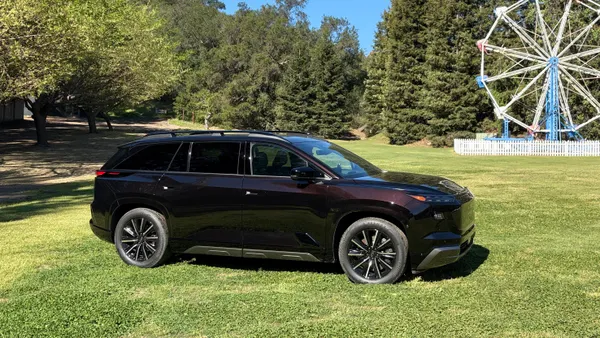
The first vehicle to boast its new system will be the new battery-electric EX60 mid-size SUV due to debut in 2026, with the automaker claiming it will be able to adapt to changing traffic conditions, and even the clothes that occupants are wearing during a collision.
Volvo, which installed the first three-point seat belts into its cars back in 1959 and gifted the patents to all other automakers, claims its first design is credited with saving more than a million lives and the new system is likely to exceed those results.
The automaker says the system works by employing real-time data from an array of sensors both inside and outside the vehicle to modify safety settings to also include occupants’ height, weight, body shape and seating position.
For example, a larger occupant in a serious crash will receive a higher belt load setting to help reduce the risk of head injury, Volvo says, while a smaller occupant in a milder crash will receive a lower belt load setting to reduce the risk of broken ribs.
The system achieves this ability by increasing the number of so-called load-limiting profile variations to manage the force applied to the occupants in the event of an accident, while over-the-air software updates improves the system’s capabilities over time.
Volvo says the system works with existing airbags, occupant detection and driver assistance systems.
It has been tested and developed at the Volvo Cars Safety Center crash lab in Gothenburg, Sweden, which celebrates its 25th anniversary this year.
“The world first multi-adaptive safety belt is another milestone for automotive safety and a great example of how we leverage real-time data with the ambition to help save millions of more lives,” says Åsa Haglund, head of the center in a company release.