

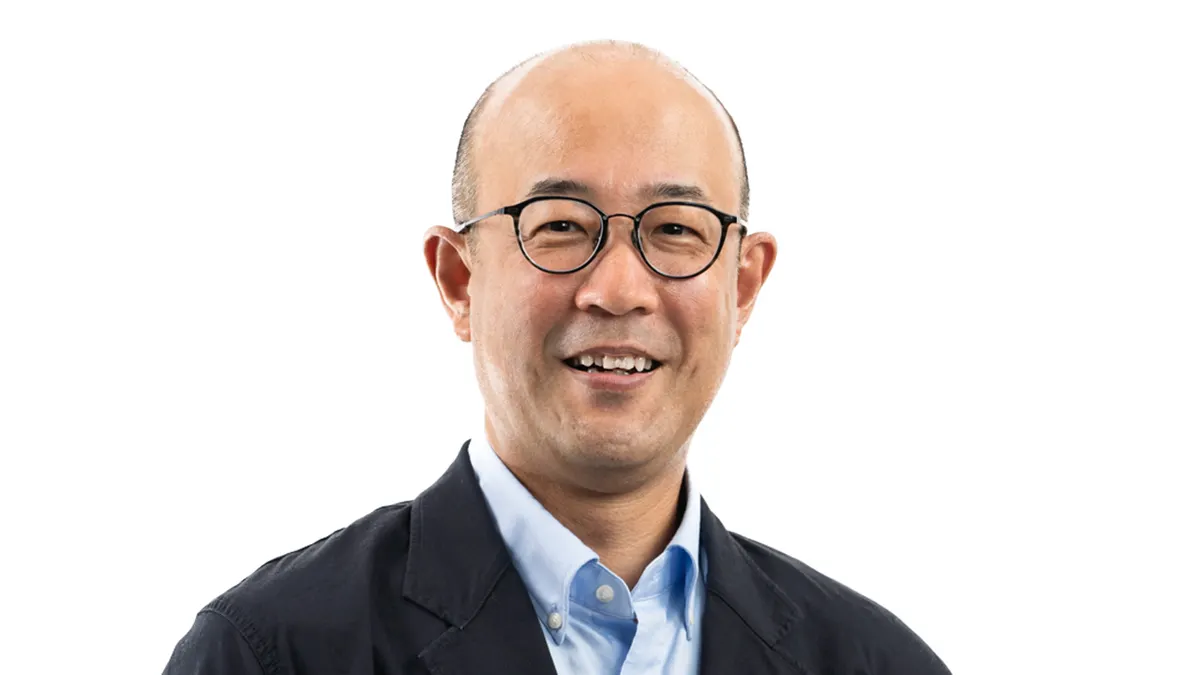
Toyota Motor Corp. named current Operating Officer Kenta Kon as its new president and CEO effective April 1, the automaker announced in a press release Friday. Kon will retain his current position of operating officer.
As part of the executive shakeup at Toyota, incumbent president, CFO and board of directors member Koji Sato will relinquish the title of CEO. He will become vice chairman and assume a newly created position of chief industry officer.
Under the company's new leadership structure, Sato will focus on the broader industry, including Toyota, while Kon will focus on internal company management, per the release.
“This change in roles is intended to accelerate management decision-making in response to changes in the internal and external environment and to establish a structure that will enable Toyota to fully carry out its mission of contributing to society through industry,” the automaker said in the release.
Sato was also named chairman of the Japan Automobile Manufacturers Association (JAMA) on Jan. 1. Toyota said there is a need “to accelerate practical initiatives for industry collaboration to strengthen international competitiveness,” a role Sato is expected to fulfill, per the release.
Sato has also served as vice chair of Keidanren (Japan Business Federation) since May 2025. The organization represents over 1,500 major companies, industrial associations, and regional organizations in Japan. As part of the position, Sato is expected to promote policy proposals centered on manufacturing and advancing industry collaboration to enhance Japan's industrial competitiveness, Toyota said in the release.
As Toyota’s CFO since April 2020, Kon has also been at the forefront of efforts to improve the company’s earnings structure, and lowering the break-even volume is an immediate priority for Toyota, the release said.
“Concrete actions on these issues are urgently required,” Toyota said in the release. “To achieve this, it is necessary to lead reforms across the entire company, not through functional segmentation but by addressing the value chain as a whole.”