The costs of tariffs have become a painful fact of life for automotive suppliers, who are leaning on their customers to ease a financial burden which could reach $30 billion for North American auto manufacturers, suppliers and, ultimately, consumers in 2026, according to an estimate from AlixPartners.
Neal Ganguli, a partner and managing director in the automotive and industrial practice at the AlixPartners business consultancy, says suppliers of all sizes are looking for ways to recover tariff-related costs. “They are working the system. Both large and small suppliers are filing claims” or are renegotiating contracts to find some relief, he tells WardsAuto during a telephone interview.
The problem is particularly acute for second- and third-tier suppliers, which do not have the financial resources of large suppliers to cover the added costs, Ganguli says.
Ganguli notes suppliers operate on small margins and it is not sustainable for them to carry the extra burden even as they look for ways to become more efficient and reduce the cost of production.
Supplier executives concur with the tough post-tariff environment, coming out with their own estimates and noting how they’ve so far weathered the situation, per recent sales calls.
“Based on the current tariff policies and volume expectations, our gross direct tariff exposure is approximately $210 million for 2025,” Jason M. Cardew, senior vice president and chief financial officer for Lear Corp., one of the auto industry’s largest suppliers, says during the company’s second-quarter earnings call.
However, he adds contractual agreements with Lear’s customers allowed it to recover substantially all of the $63 million in tariff costs it incurred in the first half of the year. “Our full-year financial outlook assumes the continuation of tariff cost recovery agreements through the remainder of the year,” Cardew says.
Meanwhile, major suppliers such as Magna and Nexteer say negotiations with OEMs are crucial to dealing with the tariffs that have been applied by the Trump Admin. since last spring.
“The net tariff impact was a cost of $2 million in the first half, which was primarily due to the timing of customer recoveries,” observes Michael Bierlein, Nexteer’s senior vice president and CFO during the company’s second-quarter earnings call.
“We continue to take actions to limit tariff costs by partnering with our customers and developing solutions with our supply base. The tariff costs that cannot be mitigated will be passed on to our customers,” Bierlein adds.
Magna CEO Swamy Kotagiri says his company continues to work closely with its customers to mitigate the impact of tariffs.
“Based on our actions taken and recent updates to tariff rates up to mid-July, we have lowered our estimated annualized tariff exposure to $200 million from $250 million when we reported in Q1,” he says. “We have settled with multiple OEMs for substantially all of our 2025 net tariff exposure with them, and we are working with our other customers and suppliers to mitigate substantially all of our remaining exposure, including through recoveries.”
New Business and OEM Help Sought
Suppliers across the industry are actively looking for ways to trim costs and/or raise revenue by lining up new business.
Borg Warner executives note that, despite the Trump Admin.’s tariff feud with China, the company has successfully forged new business ties with Chinese OEMs, while Lear brought in expertise from Silicon Valley software company Palantir to boost efficiency across its production lines.
However, 80% of the cost of the tariffs ultimately will go into the price of a new vehicle, raising its average price by more than $1,700, according to AlixPartners estimates, and OEMs are actively working with suppliers to mitigate the fallout from the new tariffs.
General Motors per a spokesman says via email it is “working with our suppliers on a case-by-case basis on the matter. We’re not providing details on what we might have done with any specific supplier.”
While Stellantis declines to comment, Ford says in a statement emailed to WardsAuto it too is “working with suppliers on how to best assess their exposure, including their own unique supply chains, and potentially reconfigure processes and sourcing.
“Because each supplier can have unique scenarios involving logistical and operational challenges, if assistance is requested, we will work with suppliers on a case-by-case basis,” the Ford statement adds.
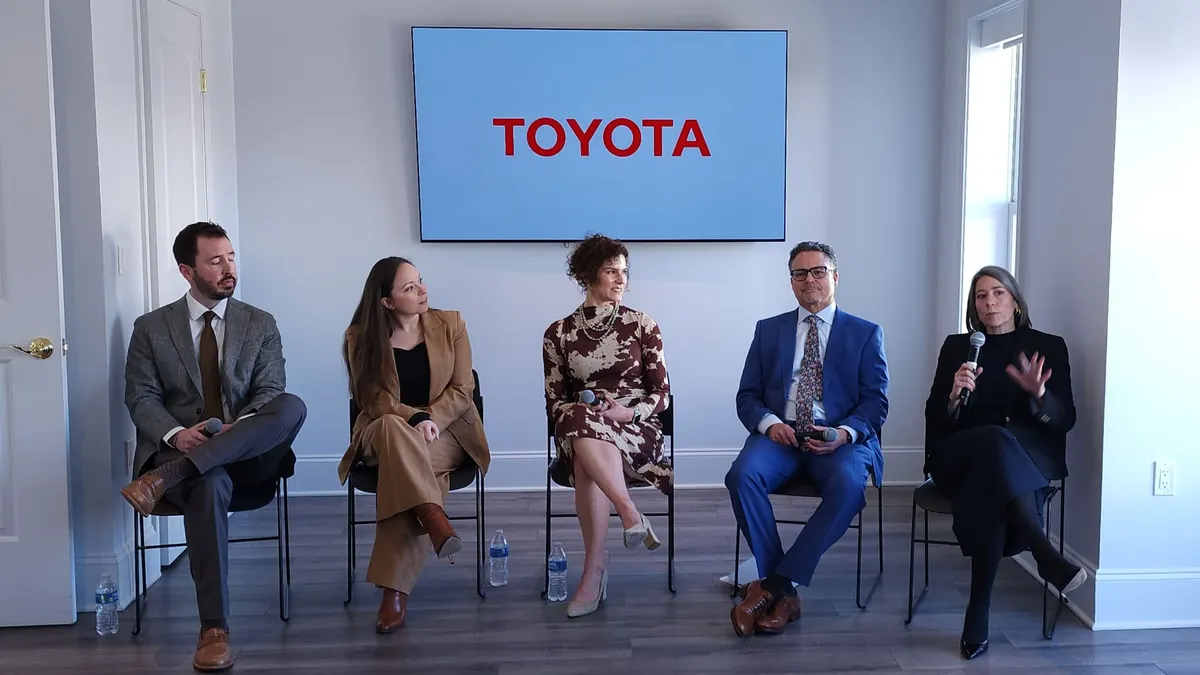
Toyota Motor North America is trying to help suppliers also, says a spokesman, noting it traditionally has had good relations with its suppliers, and it doesn’t “want them to carry a burden they can’t carry.”
Current Tariff Landscape
Trump Admin. discussions with the European Union and the Japanese government have reduced the tariffs on vehicles from cars imported from Japan and Europe to the U.S. from 25% to 15%, but manufacturers still have to deal with a hodgepodge of import restrictions and fees, particularly on metals such as copper, steel and aluminum.
The 25% levy on automobile parts means that even automakers who build their cars in the U.S. face a serious tariff headache.
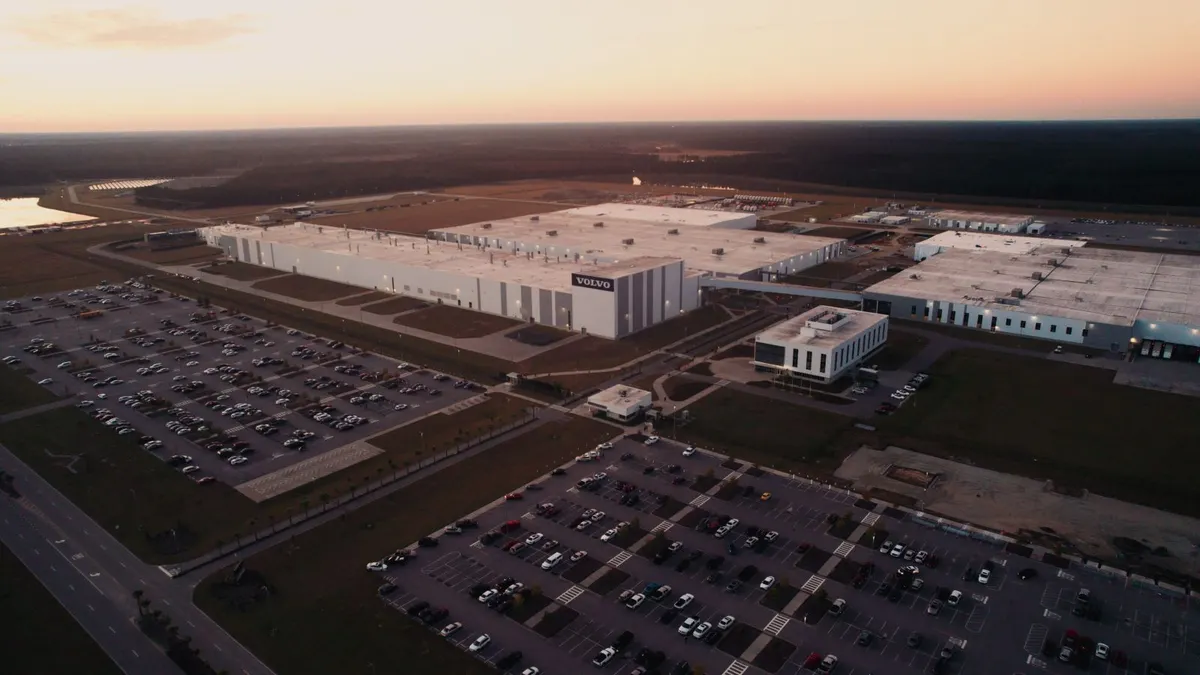
The new tariff regime is adding billions of dollars to the production costs of automakers such as GM, Ford, Stellantis, Toyota, Honda, Volkswagen and Volvo.
However, steel producers such as Cleveland-Cliffs and Nucor, which could benefit from Trump’s policy, say they support the higher tariffs despite the threat of rising prices for cars and trucks, which could lead to falling sales and shorter production runs that cut demand for their products.
During the American Iron & Steel Institute’s annual meeting in Washington, DC, Lourenco Goncalves, chairman, president and CEO of Cleveland-Cliffs, a major auto industry supplier, praises Trump’s recent announcement to raise existing tariffs on imported steel.
“Our member companies applaud President Trump’s decisive move to raise tariffs on imported steel to 50 percent,” Goncalves says, adding the “bold action strengthens the American steel industry and safeguards the livelihoods of our nation’s steelworkers.”