

A dispute over hybrid powertrains is being cited as one of the key disagreements that led to the collapse of the Honda-Nissan merger deal worth around $60 billion.
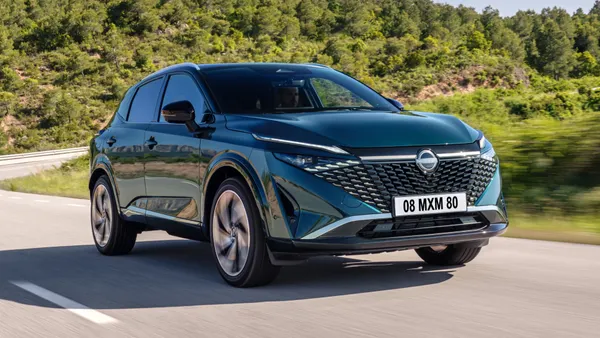
An English-language Japanese newspaper, The Japan News, claims Honda wanted Nissan to ditch its e-Power hybrid system in favor of its own, more traditional self-charging hybrid powertrain.
This demand, plus rumors that Honda executives wanted Nissan to be a junior partner in any relationship, led to the ultimate collapse of the merger deal as predicted by WardsAuto staffer David Kiley.
While Honda’s hybrid system allows an internal-combustion engine to assist in directly driving the vehicle’s wheels, Nissan’s gas powerplant is only used as an electricity generator to keep the battery powered up.
The system is not unlike that pioneered by General Motors with the old Vauxhall/Opel Ampera, marketed as the Chevrolet Volt in the U.S., but without a plug-in function. It is also similar to that used by the Mazda MX-30 hybrid, albeit the gas generator used here is a rotary engine.
Honda’s demand would have been doubly irksome for Nissan, which is about to release the third generation of the e-Power system claiming more than 20% better efficiency over the original system launched in 2016.
The system, expected to reach global markets in 2026, also boasts a 15% fuel saving on highway driving over the current second-generation system and Nissan expects to cut production costs by a fifth compared to the first-gen powertrain.
Naturally, Honda, too, is protective of its hybrid version especially with its recent announcement of a new e:HEV powertrain using 1.5L and 2.0L gasoline direct injection engines.
This system claims a 10% saving on fuel consumption using the larger engine which is also losing about 200 lb. (91 kg) of weight compared to the previous motor. Production costs by 2027 will be slashed by up to 50% compared to its first-generation models from 2018, Honda claims.
So, it appears the clash of cultures between the companies extends beyond the executive boardrooms and down into the nitty-gritty egos of the differing engineering shops.