Dive Brief:
- Nissan Motor Co. reported an operating profit loss of 27.7 billion yen ($180.7 million) in the first half of FY2025, a $430 million decline from the same period a year ago. The company said it was primarily owing to lower income, impairments and restructuring costs, according to its Nov. 6 earnings report.
- Nissan reported global sales of 1.48 million units in the first half of FY2025, with net revenue reaching 5.6 trillion yen. But its net income loss for the period was 221.9 billion yen ($1.44 billion).
- Nissan's full-year net revenue is forecast to be 11.7 trillion yen. However, the company expects its operating profit will break even, excluding any further impact of U.S. tariffs, which are estimated to result in a full-year operating loss of nearly $1.8 billion.
Dive Insight:
Nissan’s financial struggles go back to 2024 when it faced sluggish vehicle sales leading to a scale back of global production, global plant closures, the elimination of 9,000 jobs and buyouts for its U.S. production workers. The company reported a 90% drop in operating profit in the first half of FY2024.
The automaker has been working on its turnaround since the company ousted its former CEO, Makoto Uchida, in March, along with four other top executives following its failed merger with rival Honda Motor Co. earlier this year.
Nissan appointed former Chief Planning Officer Ivan Espinosa and 20-year company veteran to replace Uchida, effective April 1. Under the leadership of its new CEO, the company announced its “Re:Nissan” recovery plan in May.
Among the plan’s goals is to implement actions across the company “to enhance performance and create a leaner, more resilient business that adapts quickly to market changes,” the automaker said in a press release.
The plan called for an aggressive cost reduction target of 250 billion yen and for Nissan to return to profitability in FY2026. Nissan said it has already delivered over 80 billion yen in cost savings in the first half of FY2025, and is on track to exceed 150 billion yen by the end of the fiscal year on March 31, 2026.
Nissan is also selling its corporate headquarters in Yokohama, Japan to raise capital. The automaker said it will enter into a 20-year leaseback agreement, ensuring there is no impact on employees or its operations. Proceeds from the sale will be reinvested to modernize facilities and support future growth under the Re:Nissan plan.
“Our first-half results reflect the challenges we face, yet they confirm that Nissan is firmly on the path to recovery,” Espinosa said in a statement. “The second half will bring its own hurdles, but with focus, discipline, and the actions underway, I am confident we will deliver stronger results.”
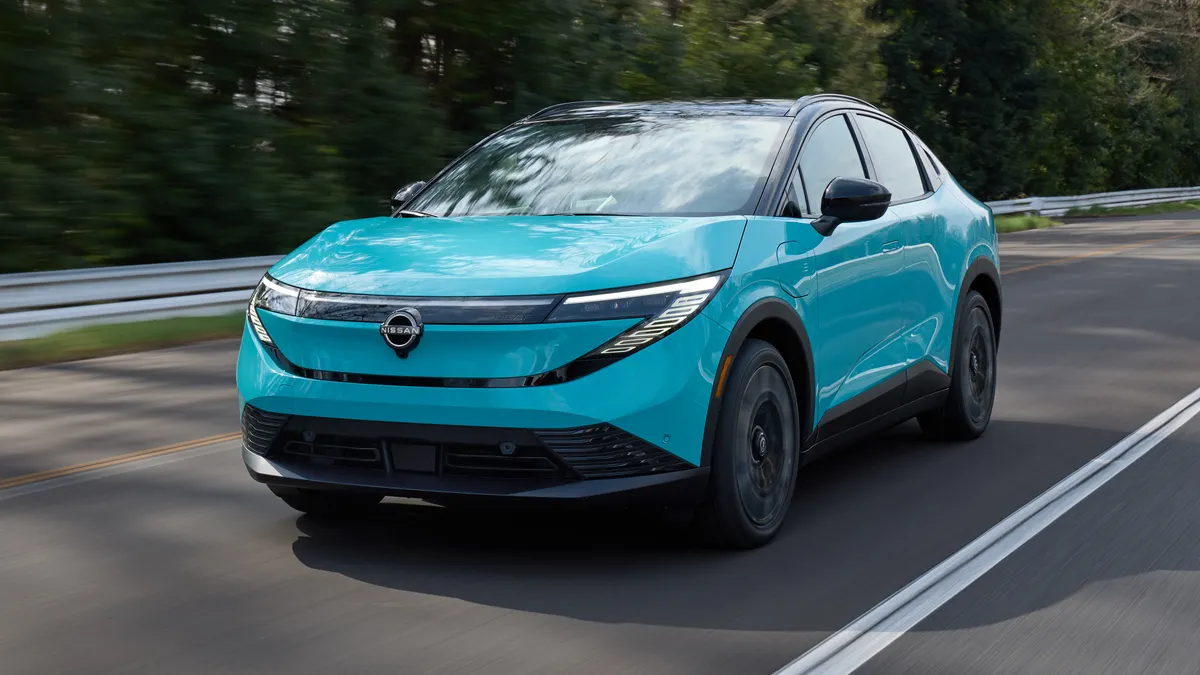
Nissan is now focused on launching new models in key markets to boost its vehicle sales. Despite the company’s financial woes, its vehicle sales have rebounded. The automaker reported sales of 223,377 units in the U.S. in Q3, up 5.3% year over year. Nissan also recently launched the third generation of its Leaf EV, which starts at $29,990 in the U.S., making it one of the most affordable EVs on the market.
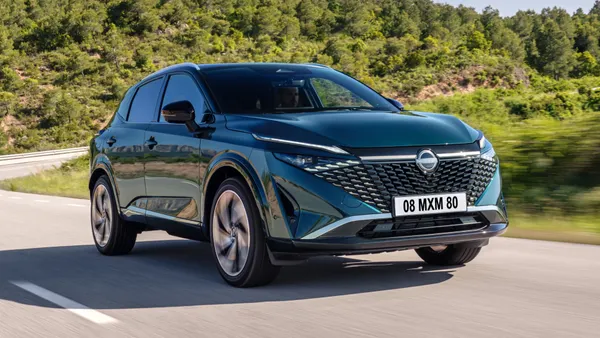
Other new Nissan models include the redesigned Sentra. The automaker may also revive the discontinued Xterra in the U.S. as a new hybrid SUV, which could create a sales lift, a company spokesman confirmed to WardsAuto in early October. The SUV could be built at Nissan’s Canton, Mississippi assembly plant and may help the automaker mitigate tariffs.
“Under Re:Nissan, we are accelerating toward the future—prioritizing new products, key markets, and breakthrough technologies that will define Nissan’s next chapter,” Espinosa said.