Dive Brief:
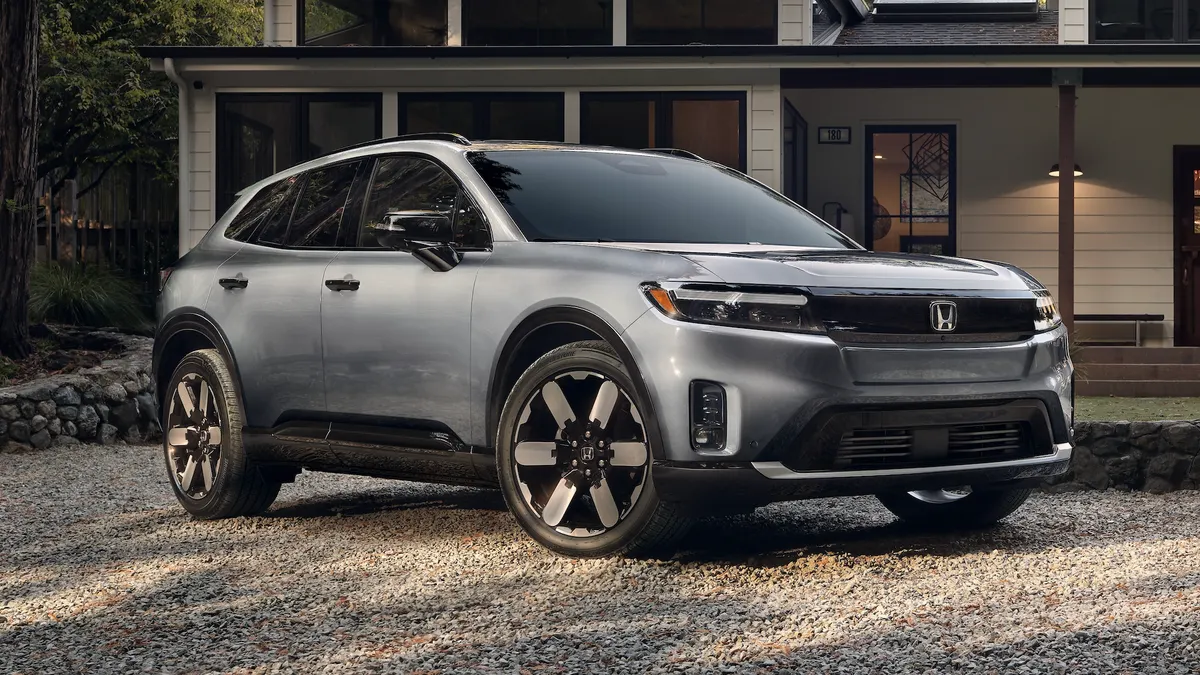
- Honda Motor Co. took a 267 billion yen ($1.7 billion) operating loss from April to December 2025 as it navigated shifts in U.S. electric vehicle policy, according to a Feb. 10 earnings presentation.
- The nine-month loss includes impairment charges for EVs sold in the U.S. and "write-offs of development assets for EV models due to lineup changes." The automaker said it is trying to "clear up as much of the losses possible" related to these models in the current fiscal year, while reviewing its EV lineup and capital expenses.
- Honda has a plan to turn tides around: As of April 1, Honda R&D will lead automobile development as well as software-defined vehicle functions, a change that will enable the automaker to respond more "flexibly and swiftly" to rapid changes in the market with product improvements, per an investor notice.
Dive Insight:
The abrupt repositioning of Honda’s EV plans as a result of U.S. policy shifts continues to tug at the company’s bottom line in the current quarter. But the automaker is setting it sights on embracing its technology goals in a leaner, more efficient way in upcoming years.
Honda R&D was established in 1960 as an innovation-focused spinoff. The reorganization “will further strengthen its ability to grasp market and technology trends more accurately and deliver the original technologies and new value of Honda to the market at the optimal timing,” the automaker said.
In a slide from Honda’s corporate update issued January 30, the company emphasized that it sees the future value of the automobile shifting from the hardware itself to SDVs that are “continuously evolving to meet customer preferences.”
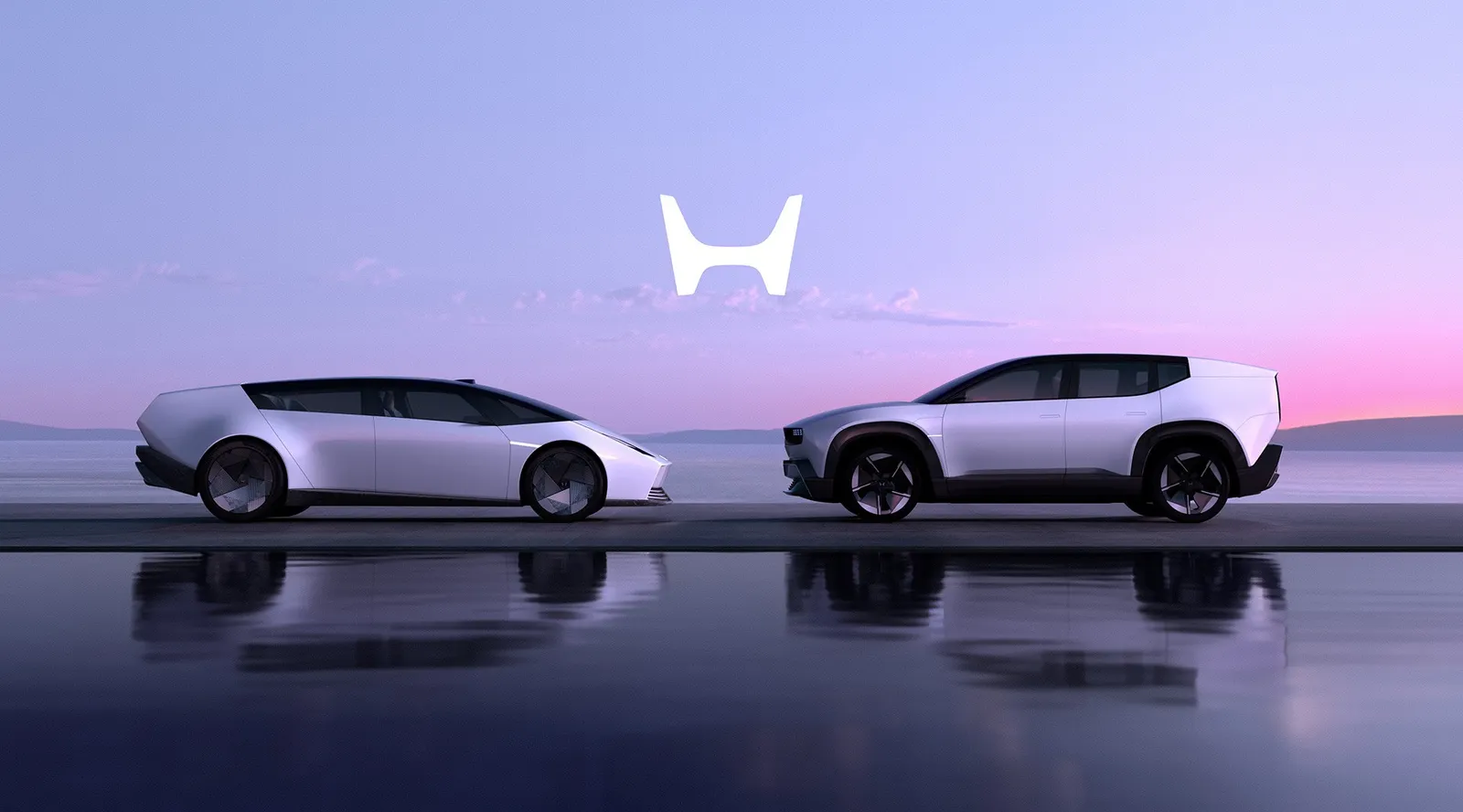
The changes also represent a reality check on technology priorities. Honda last year announced it was cutting its EV spending by 3 trillion yen — then approximately $21 billion — but did not cut 2 trillion yen for software-defined mobility, which is a core mission for Honda R&D. Today, Honda sees "decelerating EV market growth" through the decade, a shift from previous projections.
That said, the automaker is still aiming to double hybrid vehicle sales from its current 1 million target to 2.2 million units by 2030. To reach that goal, Honda is working to reduce the costs of its next-generation hybrid system by 50% compared to 2018, while improving fuel economy by over 10% compared to its current system.
Honda is “now at a phase where a recalibration of our course is required,” stated Executive Vice President Noriya Kaihara in a financial results Q&A, as he referred directly to the path toward its 2050 carbon neutrality target. “Taking into account regional market conditions, we will carefully reassess the timing of EV introductions and revise previously planned initiatives to better align with current realities.”