AUBURN HILLS, MI – The automotive branch of German-based supplier Continental AG wants all to know that it is developing a plethora of innovative new technologies, some said to be ready for market, others potentially marketable down the road. The company showed an impressive collection of them in January at CES 2025 in Las Vegas, then invited selected media to see and experience them at its offices here in Michigan.
Hosted by Continental Automotive North America President and CEO Aruna Anand, the sessions here showcased an impressive array of innovations and features, some of which we may see in production vehicles before long. “Research indicates that a majority of customers do want the latest and greatest technology in their vehicles,” she says in her opening remarks, “but it must be user-friendly, so the interfaces are important.”
Among them were:
Emotional Cockpit
What exactly is an “emotional” cockpit? Continental says it combines “exquisite design” with state-of-the-art display technology by merging multiple display solutions into an “aesthetically innovative, function-driven and individually customizable” integrated unit. The central element is a 1.3-meter (51.2 in.)-long, 4-centimeter (1.6-in.)-high, low-energy E Ink Prism display that uses Prism ePaper (like in e-readers) that spans the entire width of the instrument panel and enables multiple personalization opportunities via unique patterns, colors and combinations.
“Personalization and emotionality are decisive success factors for vehicles of the future,” says Pavel Prouza, head of User Experience (UX) at Continental. “Generation Z, for example, represents a new generation of customers who want to express their individuality and showcase their personality, especially through digital media. For us, a successful user experience appeals to all the senses (and) allows designers to create completely new brand experiences.” Using unique design elements from Swarovski Crystal, the Emotional Cockpit also features “a dedicated area for usage of an AI assistant and small interactive widgets.”
Occupant Monitoring
“What if your car can monitor and evaluate your driving awareness and health status?” Anand asks. A Continental system is being developed to seamlessly do both, with biometrics sensors embedded invisibly behind the display. The idea is to track the vital parameters, including heart rates, of the driver and other occupants using a camera and a laser dot projector to support a wide range of safety and comfort functions.
Being codeveloped with BASF subsidiary trinamiX, a leading provider of biometric solutions, it will also feature 3D distance mapping to check the correct fastening of seat belts and optimize the deployment of airbags and other restraint devices. “Our expertise allows us to seamlessly integrate pioneering technologies into our display solutions and thus enhance the range of functions offered and create added value,” Prouza says.
Facial Recognition
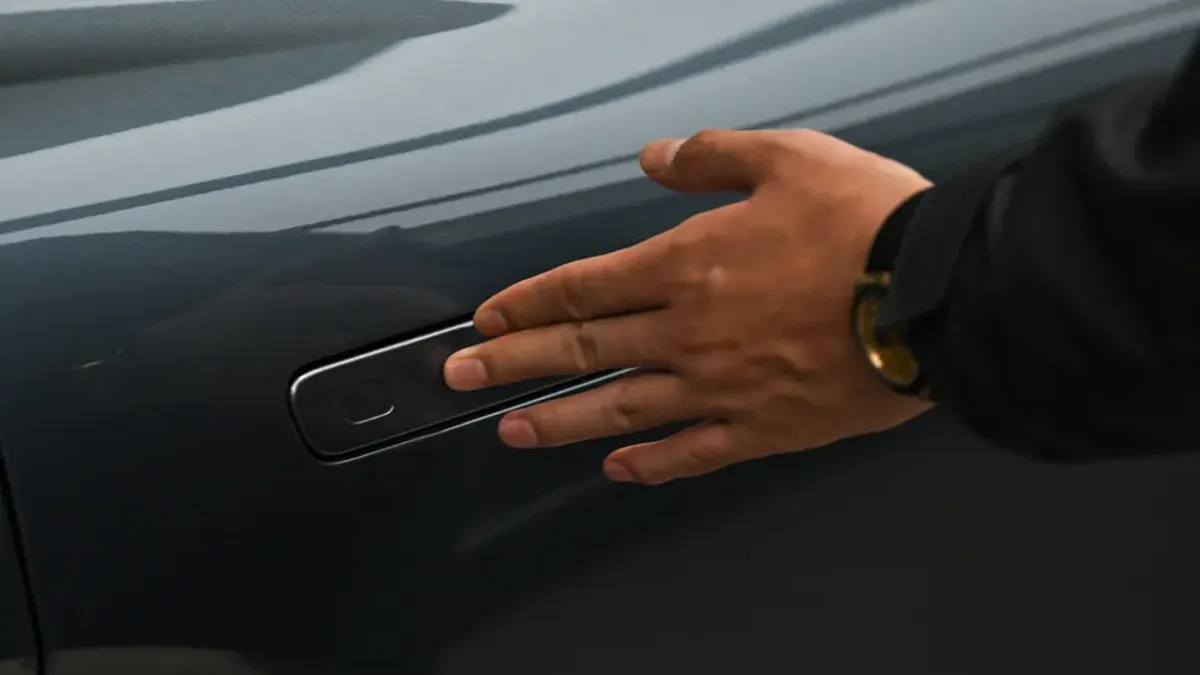
Continental’s world-first “Face Authentication Display” is a two-stage access-control system based on biometric user recognition. Using special camera systems mounted externally on the vehicle’s B-pillar and invisibly behind the driver display, it can both open the vehicle and start it when it detects a registered user – and detect attempted deception – thanks to unique liveness detection from trinamiX.
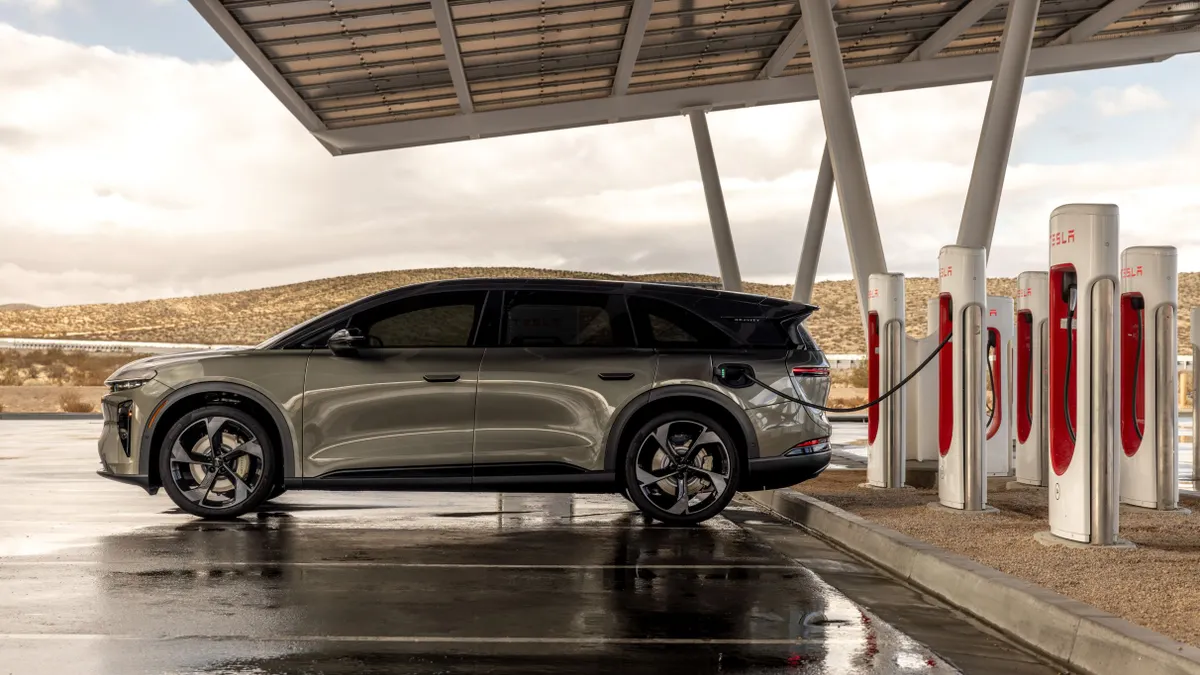
The B-pillar camera not only checks the visual match with a known user but also recognizes real skin. The double authentication in the exterior and interior represents a high level of security to protect against theft and makes it possible, for example, to grant all family members access to the car at any time while preventing children from starting the engine. In addition to unlocking the doors, the charging progress of an electric vehicle can be displayed on the exterior as a recognized user approaches the vehicle.
EV Drive-Brake Unit
Continental’s Drive-Brake Unit combines a highly efficient in-wheel motor with a friction brake for up to 20% more electric-vehicle efficiency compared to a central drive motor. It can free up valuable space for larger batteries, passengers or cargo, allow reduced battery size and/or increased vehicle range, and enable new features such as active torque vectoring.
Window Projection
We have already covered Continental’s window projection system (Parking Lot Drive-In Theater Potential with Continental's In-Cabin Projector), which projects content onto the vehicle’s rear side windows that is visible from the outside. When the vehicle is parked, it can display information such as the charge level of an EV or even the logo of the owner’s favorite sports team, and the content can be easily personalized.
Autonomous Trucks
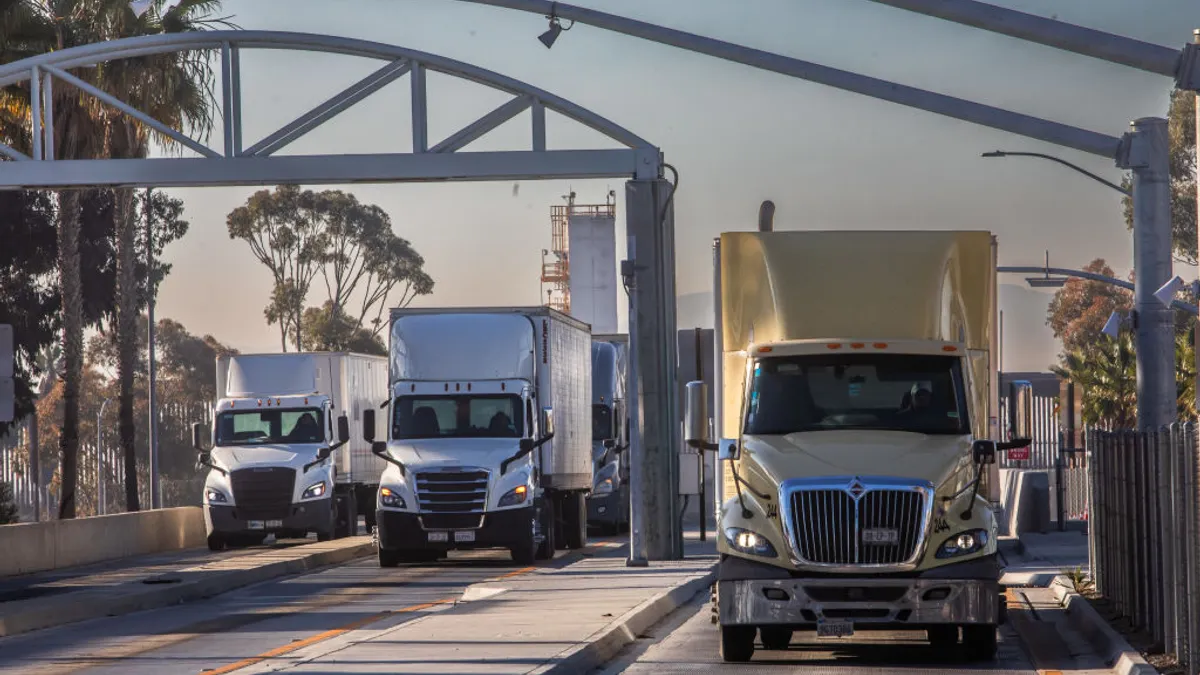
Most of us see safe, reliable, fully autonomous (self-driving) vehicles as complex, expensive and potentially ready for market in the far distant future, if ever. But Continental touts an industry-first, long-term strategic partnership with Aurora and NVIDIA to deploy driverless trucks “at scale,” powered by the next-generation NVIDIA DRIVE Thor system-on-a-chip (SoC). NVIDIA’s DRIVE Thor and DriveOS will be integrated into the Aurora Driver, an SAE L4 autonomous driving system that Continental says it will mass-manufacture in 2027.
“Delivering one driverless truck will be monumental. Deploying thousands will change the way we live,” says Chris Urmson, CEO and co-founder at Aurora. “NVIDIA is the market leader in accelerated computing, and they’ll strengthen our ecosystem of partners and our ability to deliver safe and reliable driverless trucks to our customers at scale.”
Also displayed and demonstrated were a variety of other innovative technologies including “intuitive” trunk access, radar-based self-parking, software-defined vehicles and much more. “We are confidently working to redefine the driving experience in all areas,” Anand says.