In a speech at a Wards 10 Best Engines ceremony almost three decades ago, Robert Stempel, the General Motors executive best known for leading the team that developed the first automotive catalytic converter, waxed poetically about the long-gone glory days of muscle car engines of the 1960s.
“Those engines brought tears to our eyes,” he said. And then added: “But we learned the tears were from the aldehydes in the exhaust.”
The joke got a big laugh back then, but also was bittersweet. Muscle cars were key to Detroit automakers’ prestige and appeal to younger consumers, but years of government emissions regulations and soaring fuel prices made it seem like the glory days were gone forever.
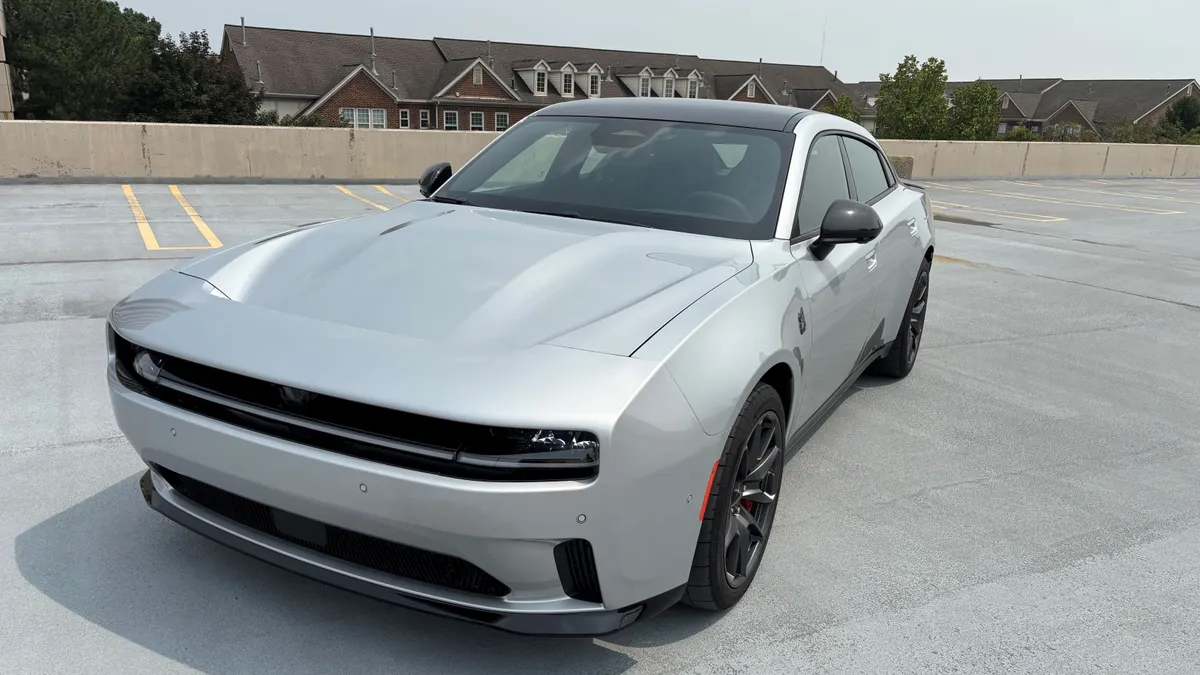
The idea there would someday be an emissions-free badass propulsion system that makes 670 hp, 627 lb.-ft. (850 Nm) of torque, goes 0 to 60 mph (97 km/h) in 3.3 seconds, and does the quarter mile in 11.5 seconds would have caused the audience’s heads to explode.
But that’s what Dodge engineers have delivered in the propulsion system for the Charger Daytona, and why it has made our 2025 Wards 10 Best Engines & Propulsion Systems’ winners list. It boasts all the things that define the powertrain of a true American muscle car: high horsepower and torque, enabling blistering quarter-mile times, and “an engine” that sounds like a beast from the gates of Hell.
Not only does the Charger Daytona Scat Pack’s dual-motor propulsion system have incredible specs, it also can rattle windows all over the neighborhood with a ferocious synthetic exhaust roar.
“Dodge did what may have been considered impossible by some, ‘duping’ a snarly V-8 with an electric propulsion system,” says 10 Best judge Christie Schweinsberg. “When you start the Charger Daytona up in Drag or Track modes, and then floor the accelerator, you’d swear there was a Hemi under the hood.”
To some enthusiasts, electrification is an existential threat to modern hotrods, but Stellantis engineers didn’t agree and created something special: an electron-powered beast that can check all the boxes for performance car enthusiasts.
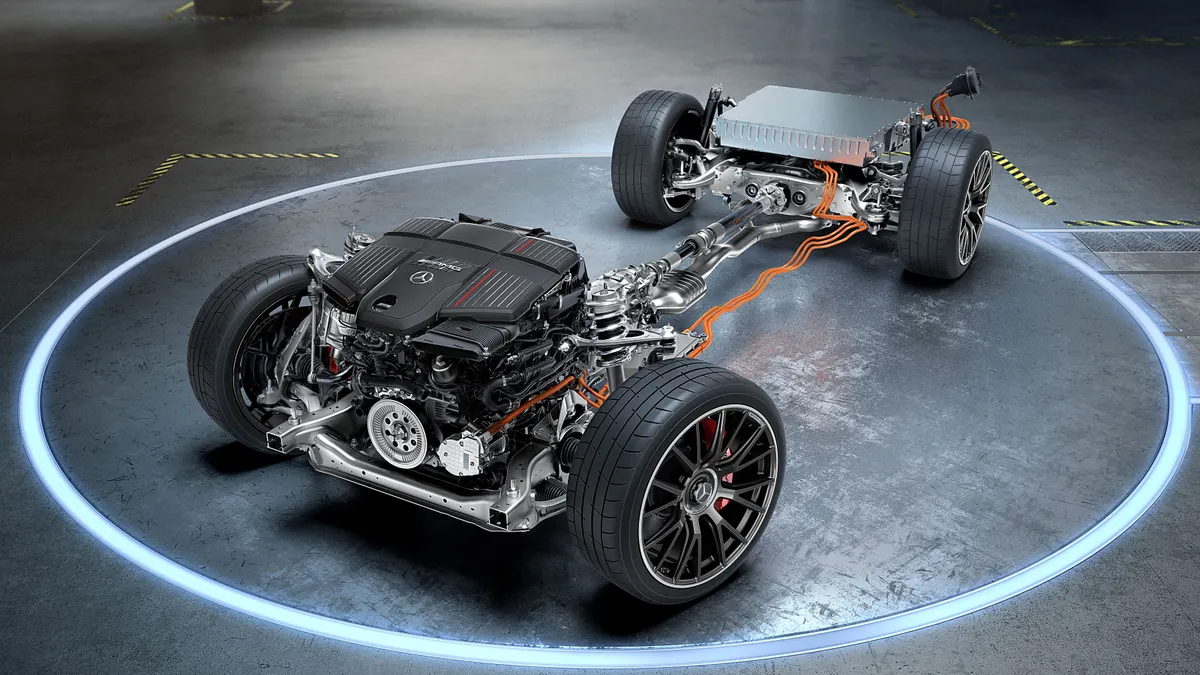
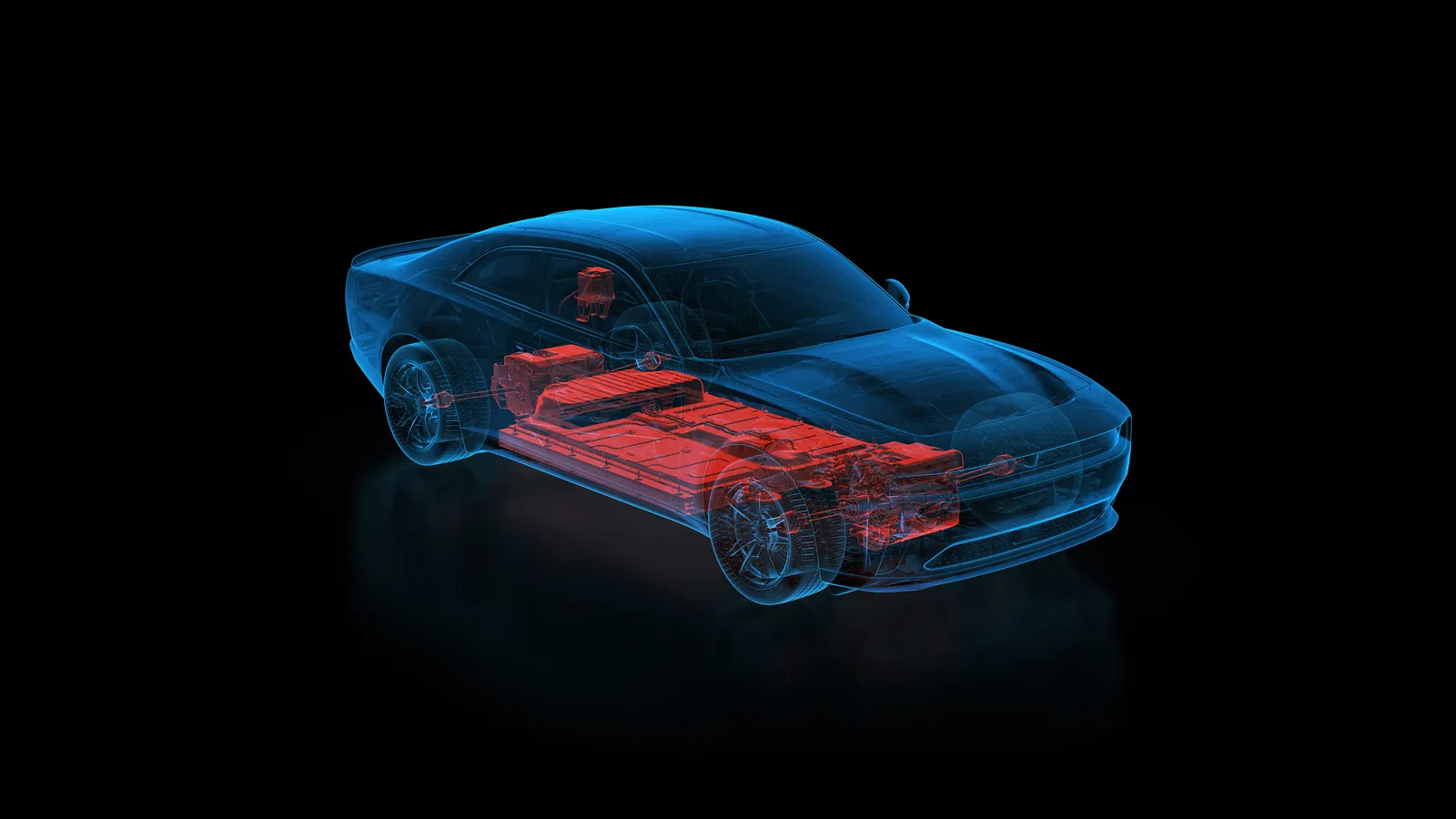
Its front-drive module is designed to enhance efficiency, using a front-wheel-end disconnect to improve range, while the rear-drive module includes a mechanical limited-slip differential to increase traction and performance.
Both drive modules include an inverter, gearbox and a motor that generates 335 hp and 313.5 lb.-ft. (425 Nm) of torque.
The entire battery system is designed specifically for a muscle car.
The nickel-cobalt-aluminum chemistry of the lithium-ion battery cells maximizes power per gram, which Dodge says makes it the battery-electric version of high-octane fuel.
The battery pack delivers 100.5kW installed capacity and has a peak discharge rate of 550 kW to maximize acceleration by allowing the motor to use the most power the battery can output in a quarter-mile dash.
Today’s hot rods are even more powerful than the unbridled brutes of the 1960s, but the all-electric propulsion of the Charger Daytona stands out because it allows this modern vehicle to do all the things muscle cars do — with zero emissions.