Waymo announces a robotaxi expansion in Dallas and a new partnership with car rental giant Avis to provide fleet maintenance.
Texas is seen as a favorable state for testing autonomous vehicles because of a relatively lax regulatory environment. Waymo is fully permitted for driverless vehicle operation in California, Arizona and Texas, and thus seen as the leader in robotaxis in the U.S. versus Tesla, which is not yet approved for driverless operation in any state.
“Dallas offers a vibrant downtown and bustling metro area well suited for our 24/7 autonomous ride-hailing service,” Waymo says in a statement. “Whether catching a Mavericks game, hitting up the multiple arts districts or tasting your way through the trendy culinary scene, the Waymo Driver offers a convenient, consistent way for both residents and visitors to get around town.”
The company has begun testing in the city and says it will launch customer rides in 2026.
“We are excited that fully autonomous ride-hailing services are scheduled to begin in Dallas next year,” says Dallas City Manager Kimberly Bizor Tolbert. “The Waymo and Avis partnership will offer an innovative, technology-based transportation option for our residents and visitors. We look forward to the launch of this new service.”
Avis will provide end-to-end fleet management services, including infrastructure, vehicle readiness, maintenance and general depot operations.
Both Waymo and battery-electric-vehicle maker Tesla are actively expanding robotaxi pilot programs. Tesla CEO Elon Musk last week forecasted that his company would have “half the country” covered by robotaxis by the end of the year. That pronouncement is viewed as hyperbolic by Wall Street, but investors valuing both companies are still banking that they can scale their services in U.S., European and Asian cities.
Waymo reports that it is providing over 250,000 paid trips and drives millions of miles every week across five cities: San Francisco, Los Angeles, Austin, Phoenix and Atlanta. Miami and Washington, DC, are also expected to have Waymo robotaxis in 2026.
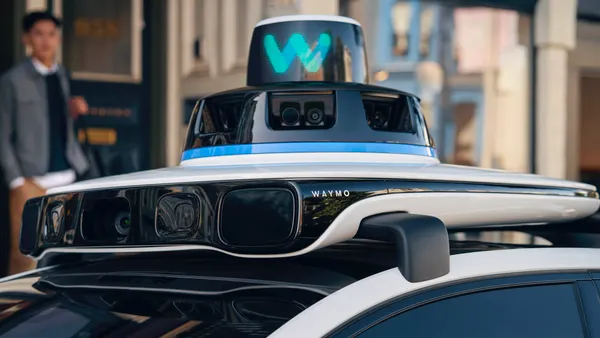
Waymo uses lidar, radar, high-resolution cameras and GPS, as well as HD pre-mapped 3D routes, to achieve autonomous driving. Tesla’s system does not use lidar, but rather cameras only and real-time vision with no HD maps. Waymo has achieved SAE Level 4 (fully driverless, no safety driver) automation for vehicles, while Tesla’s service has achieved Level 2-plus (driver required and must stay alert and be ready to take over).