The first half of 2025 witnessed a slight boost in U.S. new light-vehicle sales, up 0.4% to 7.77 million units from like-2025, according to J.D. Power, triggered by tariff fears and strong battery-electric-vehicle uptake thanks to federal tax credits supporting BEV sales.
But the second half now faces mounting pressure – from unpredictable and unsettled Trump Administration tariffs, affordability issues, rising interest rates, and shrinking incentives – likely translating into slower or even contracting sales through year-end.
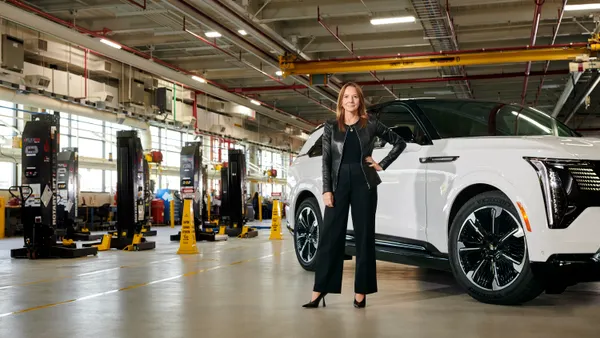
General Motors was one of the big winners in the first half, with sales up 12% compared with the same period last year, with credit given to consumers pulling ahead purchases of both internal-combustion-engine and battery-electric vehicles. GM’s BEV sales about doubled in the FH 2025 compared with the same period last year, but some of its BEVs are made in Mexico, thus presenting headwinds as they face tariffs and loss of federal support.
Tesla was a big volume loser, with analysts expecting a first-half decline of 21% year-over-year. The damage done to Tesla sales outlook has been attributed chiefly to CEO Elon Musk’s political activity and resulting protests and boycotts that are also impacting the company’s sales in Europe.
Tariffs are hitting automakers differently. Guggenheim’s Ronald Jewsikow notes that Tesla faces few increased costs because of tariffs, while Ford thus far is seeing costs rise by $1,277 per vehicle and GM so far is at $1,866 per vehicle. European automakers, though, are facing increases of up to $11,894 per vehicle. Those costs could go up in the second half of 2025 as the White House is banking on the tariff taxes on U.S. companies and consumers to help offset the cost of tax cuts being debated this week.
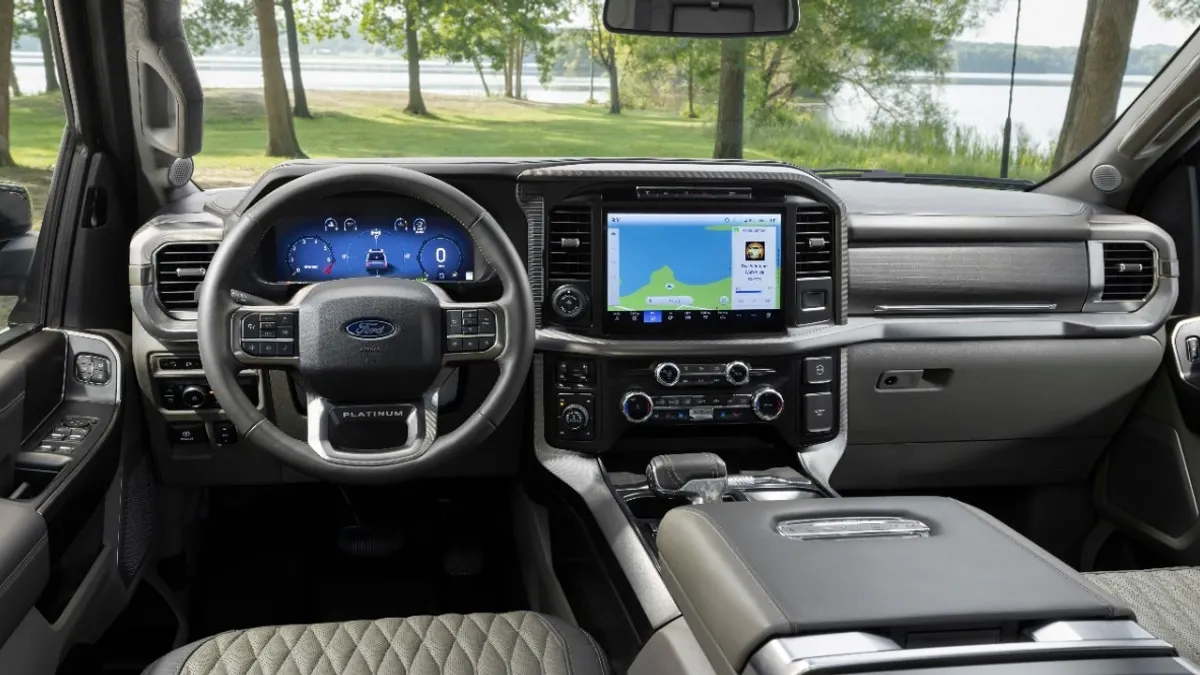
Ford’s sales were up 6.1% in the first half. After a slow start to the year, Ford had a strong second quarter with sales up 14.2%.
Stellantis’ first-half results reflect the company’s ongoing resetting of production levels and inventories. Shipments were down 20% in the first half, while sales declined 12%. The company is suspending guidance until Trump’s tariff policies stabilize.
Among Japanese automakers, Toyota sales were steady throughout the first half of the year, up 5.5% year over year, but Nissan sales were down 1.7%. Nissan CEO Ivan Espinosa warns that tariffs, a weak BEV/hybrid lineup, and an aging product cycle are dragging down his company’s sales. Meanwhile, Honda’s sales were up 7.3% in the first half as the No.2 best-selling Japanese automaker saw solid year-over-year growth especially in light trucks (+11.8%) and BEVs (+39.5%), as crossovers and the Prologue gained traction.
Hyundai sales were up 10% in the first half, the company’s best-ever first half, driven by electrified vehicles (+20%) such as the Santa Fe HEV and Tucson PHEV/HEV, as well as the ICE-powered Elantra N and Palisade models.
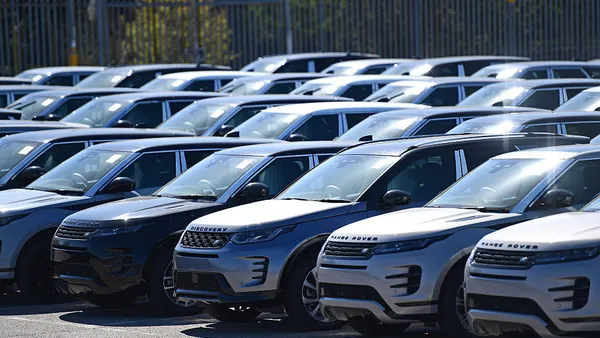
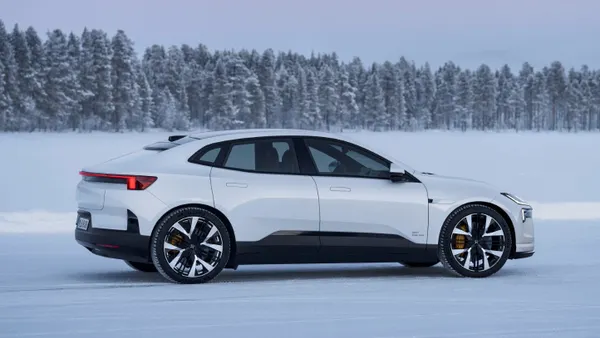
Among European automakers, Volkswagen and BMW saw modest gains with VW up 7.1% and BMW rising 3.7%, but Audi sales dipped 3%.
Analysts say there are plenty of economic headwinds in the second half, making forecasting extremely difficult. With tariffs, inflation, elevated interest rates, and fading BEV incentives, most analysts forecast slowing or flat year‑end sales. There is also a vehicle affordability issue, with average transaction prices at around $50,000 and average monthly payments of $747 record highs, according to Cox.
Both Cox and UBS are emphasizing that the front-loaded demand for new vehicles in the first half won’t hold through the second half. Indeed, sales rates are already cooling with the seasonally adjusted annual rate (SAAR) in June just 15 million, versus 17.6 million in April. Cox says, “economic anxiety… is now the primary deterrent,” to consumers wanting to buy a new vehicle, with vehicle affordability a major factor as well.