

European road safety and transport environmental groups are raising the alarm over a potential sharing of vehicle standards hidden in the European Union’s trade deal with the U.S.
They warn that allowing all American-made vehicles into the heavily regulated European market could rapidly increase road accident fatalities and push up CO2 emissions from the Continent’s fleets.
A single sentence in Article 8 of the framework trade agreement between the two western partners may open the door to acceptance of the U.S.’s vehicle-safety standards that are far removed from those of the EU in terms of vulnerable road users’ protection.
“With respect to automobiles, the United States and the European Union intend to accept and provide mutual recognition to each other’s standards,” a joint statement published Aug. 21 reads.
Automakers on both sides of the pond would benefit commercially from mutual recognition of standards, with many millions of dollars taken off the cost of homologating American-made vehicles to meet EU standards.
This could mean pedestrian/cyclist orientated-safety features, such as collapsible head-impact zones on hoods, external airbags and special bumpers would not be required for a U.S. vehicle to be legal in Europe.
It also means Europe’s imported vehicles would not have to meet U.S. safety and emissions standards. This could negate the need for European automakers to install much bigger bumpers, tougher rear-end-collision mitigation hardware, mandated electronic safety features, U.S.-specific lighting and other modifications.
However, in a WardsAuto two-part feature analyzing the gulf between safety standards in the EU compared to those in the U.S., the U.S. sees a stubbornly high fatality rate on its roads while European countries have experienced decades-long declines of deaths in road users.
In a study by The Economist, data shows in the early 1990s the attrition rate on U.S. roads was about the same as in France. Now the French road user is three times less likely to suffer a fatal collision than his or her American peer.
In response to a WardsAuto inquiry, EU regulator NCAP says it stands firm with other European road safety organizations, including the European Transport Safety Council (ETSC), the Federation Internationale de l'Automobile (FIA), the POLIS cities and regions political group and the consumer protection group Bureau Européen des Unions de Consommateurs (BEUC), who are determined that vehicle safety standards in the EU remain “undiluted.”
However, NCAP points out that there has yet to be any formal clarity on this issue and that it “will continue to test the safety performance of any new car entering the market to make sure we offer consumers the most updated independent and relevant safety information on their vehicle.”
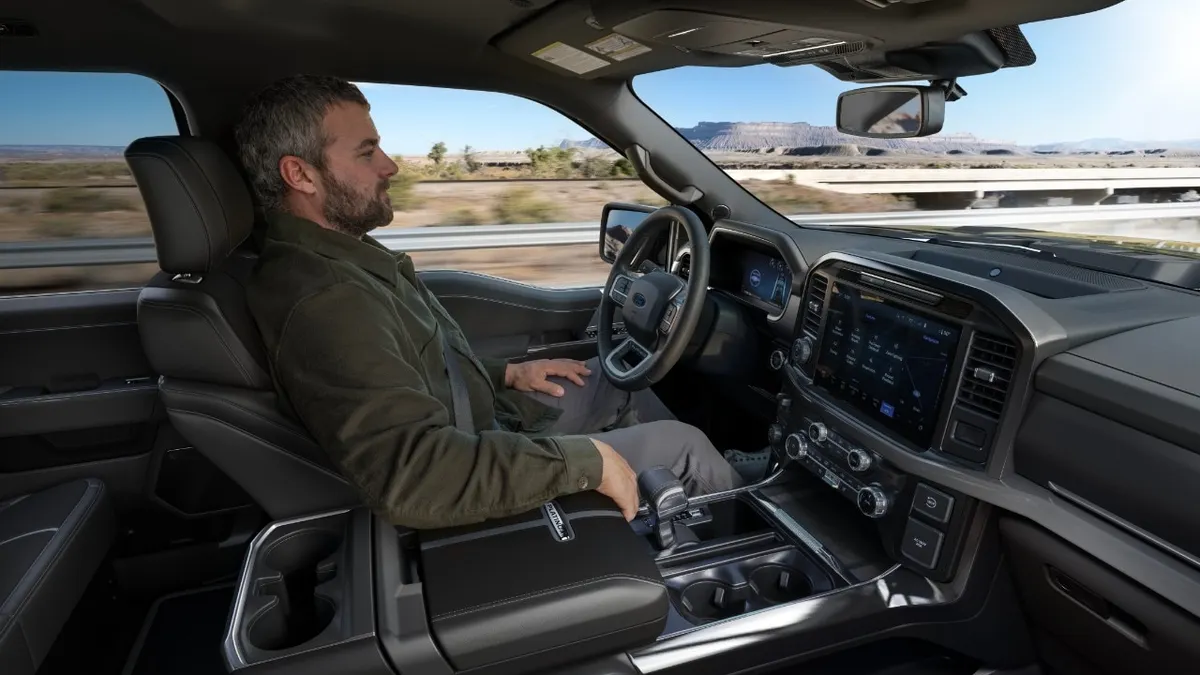
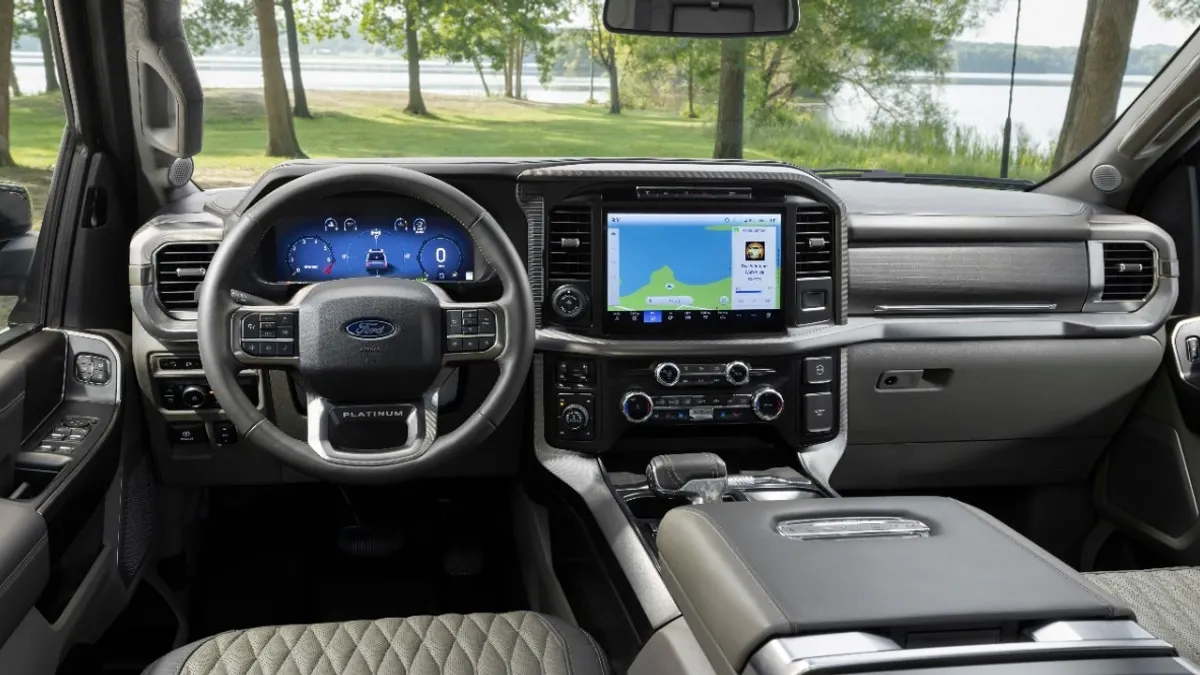
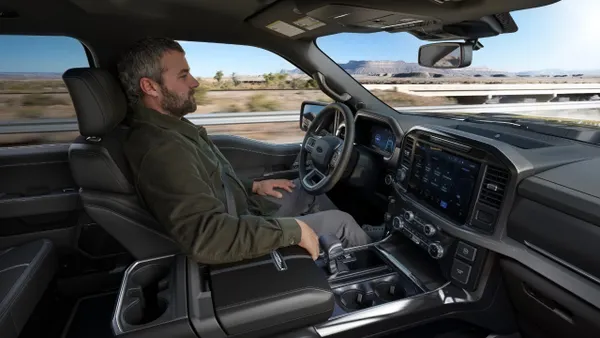
Road safety blanket body ETSC points out in an open letter to The Financial Times that some American pickups, such as the Ram and Ford F-150, are already sold in Europe through a trade loop-hole called “individual vehicle approval.”
Now, instead of widening the access of these trucks to European markets, it is calling for a closing of this loophole because “For a pedestrian or cyclist hit by a pickup, the risk of serious injury increases by 90% and the risk of fatal injury by almost 200%.”
The ETSC letter goes on to warn mass imports of U.S. pickups could also reverse the road safety success enjoyed in Europe in recent years.
“Since 2013, road deaths in the EU have decreased by 16%. In the U.S. they have increased by 25%,” it adds.
Auto risk intelligence company Thatcham highlights the impracticality of moves to share vehicle standards between the two trading partners.
It emphasizes the “extreme” complexity of meshing vehicles with many differences in methodology and thresholds for safety testing.
“More critically, there are areas like Vulnerable Road User (VRU) (pedestrians, cyclists) protection where no equivalent U.S. requirements currently exist,” Alex Thompson, Thatcham’s principal engineer for automotive safety, tells WardsAuto.
“While VRU deaths and serious injuries have fallen significantly in Europe, they still account for around half of those killed and seriously injured (KSIs) on U.K. roads each year,” he adds. “In contrast, VRU KSIs in the U.S. have increased, and importing vehicles that don’t meet European standards risks reversing hard-won European safety gains.”
Meanwhile, an activist organization, European Federation for Transport and Environment (T&E), takes to business social media platform LinkedIn to warn against the CO2 emissions threat imposed by allowing more U.S. “monster” pickup trucks on Europe’s roads.
Its posting blasts the European Commission for the Article 8 “recognition” statement, pointing out that the agreed tariff discount on imported American pickups would slice €6,000 ($6,969) off the price of a new Ram pick-up.
T&E goes on to display a graphic that compares the vehicle with the average passenger car on European streets, showing that it emits three times more CO2 pollution while also not meeting EU vehicle safety standards and sporting a much higher hood height with no pedestrian impact protection.
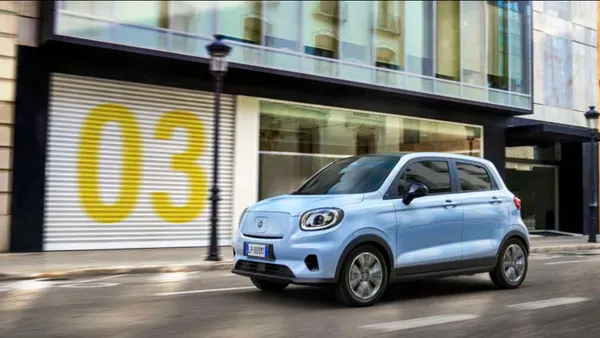
“Is the Commission seriously going to pretend that dangerous monster trucks like Ram pickups are as safe and clean as a Fiat 500?” it asks.
For now, Europe’s transport experts will be poring over the wording and demanding a definitive interpretation of its meaning before taking further action.