CARLETON, MI – Manheim, the wholesale auction giant celebrating its 80th anniversary, is scaling up for an electric future while helping dealers navigate one of the most uncertain markets in recent memory.
With 79 physical auction sites across the U.S. covering more than 6,500 acres, Manheim now touches three out of every four used vehicle transactions annually. The company is expanding its EV infrastructure, bolstering reconditioning capabilities, and investing heavily in technician training – all while prices rise and inventory tightens.
“We’re unrivaled in terms of scale,” says Alan Lang, Cox Automotive’s senior vice president of operations, during a tour of its Manheim Detroit facility here. “We have the infrastructure, the land and the workforce to handle what’s coming.”
And they will need it, likely now more than ever. That’s because Congress’s July 4 passage of the One Big Beautiful Bill Act (OBBBA) shifts the industry away from a government-mandated electrified-vehicle focus. Certainly, those vehicles won’t disappear, but some dealers guess that more will go to auction than was previously planned.
Manheim Detroit, the largest of Cox’s three Michigan sites here in this western Detroit suburb, spans 250 acres and typically runs 24 auction lanes, moving thousands of vehicles each week. “We’re constantly selling,” says one site executive. “Three sales a week here – and online, we’re selling 24/7.”
A recent visit to Manheim Detroit underscores that, as vehicles ranging from older mass-market vehicles to luxury cars boasting six-figure price tags roll through the auction lanes. The auction is choreographed as something akin to a ballet as auctioneers rapid-fire bid, called drive excitement, momentum and bidding.
But the celebratory tones of the auctioneers and Manheim spokespeople come with a dose of caution from Cox’s economic team.
A Flood of EVs in the Pipeline – and Manheim Is Ready
Just before the OBBBA was passed, Cox forecast that more than 500,000 electric vehicles will enter the wholesale market in 2027 as leases mature – a steep rise driven by recent EV leasing trends.
But that “leasing loophole is dead,” Mark Schirmer, director of industry insights and corporate communications at Cox, tells WardsAuto.
A just-released report by Cox Automotive’s Kelley Blue Book shows sales of new EVs in the second quarter of 2025 were lower year-over-year by 6.3%.
“Lower EV sales last quarter underscore the market’s ongoing challenges,” says Stephanie Valdez Streaty, senior analyst at Cox, in a press statement. “With government-backed incentives set to end in September and economic pressure mounting, the second half of the year will be a critical test of EV demand. Q3 will likely be a record, followed by a collapse in Q4….”
That may mean more EVs going to auction.
“In the U.S. market, the used EV market is now the shiny new thing,” says Schirmer. “With availability growing and incentives for new EVs expected to fall, the used EV market may grow faster in the quarters ahead.”
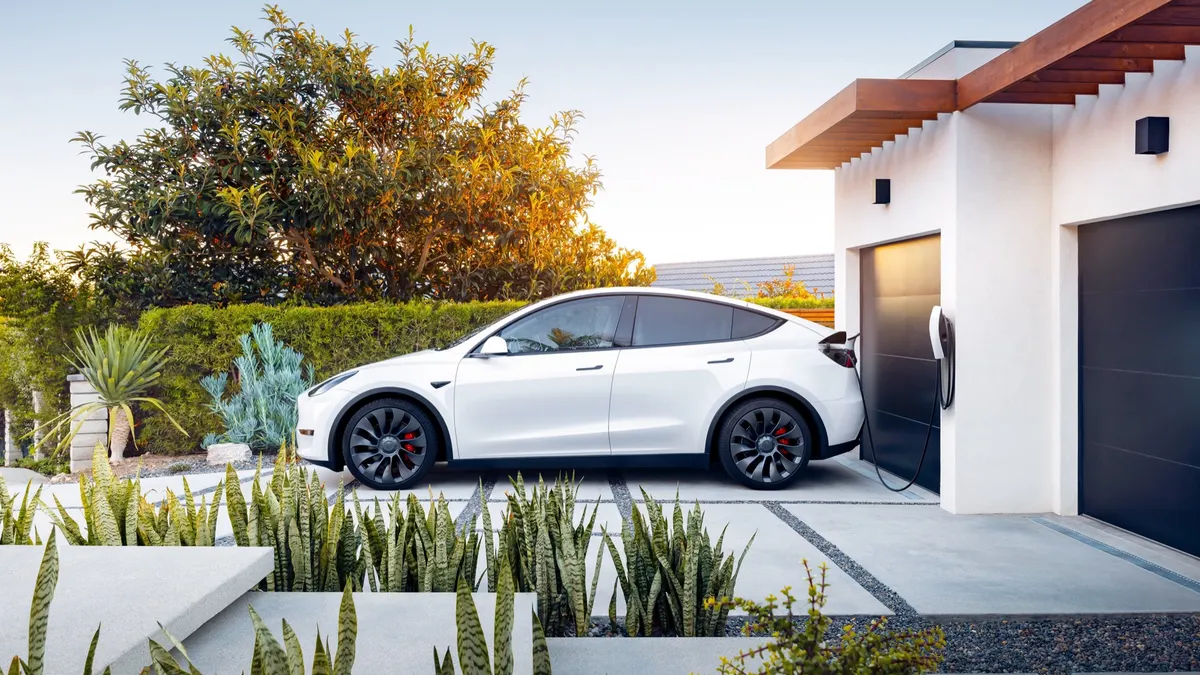
Manheim is ready, having installed over 800 chargers at its facilities, with plans to exceed 1,000 by year-end.
Lang adds that Cox has provided battery health scores on more than 41,000 EVs this year and continues to invest in EV technician training through five regional tech centers. “We believe we’re going to continue to stay in front of the EV onslaught… more than anyone,” he says.
EV battery services include recall storage, recycling, and battery remanufacturing in facilities across Oklahoma City, Nevada and Georgia. Each Manheim location is tiered by capability and safety certification, allowing battery repairs or swaps before resale.
72% of Vehicles Now Sold Digitally
Back at the Carleton auction facility, Joe Keillor, who oversees Manheim’s digital operations, says more than 72% of Manheim vehicles are now sold online. Buyers can participate via simulcast, timed sales, or upstream platforms for OEMs – enabling cars to change hands before ever hitting a physical auction lane.
“We want to make it very easy for buyers and sellers,” Keillor says. “And because we have so much breadth, we can help optimize at the individual vehicle level.”
The digital team also supports logistics, with Ready Auto Transport moving 1.5 million vehicles a year and Central Dispatch touching more than 15 million. Assurance products, including 21-day buyback guarantees, add trust to digital transactions.
Reconditioning, Fulfillment and Recall Support
Cox has grown beyond wholesale, now offering retail-level reconditioning, fulfillment for fleet operations, and recall repairs. Lang says the company is increasingly tapped by OEMs for distribution, in-fleet services, and warranty work – especially for EVs.
At the conclusion of the recent tour here, Cox leaders emphasize their dual focus: preparing for the future and supporting safe, efficient operations today. “Safety is our number one priority,” Lang says. “Especially on sale day – watch where you walk and don’t raise your hand unless you mean it.”