In recent years, news stories have declared the “death” of the auto show. These proclamations often hinge on the idea that auto shows have lost relevance, because they no longer dominate the media landscape or serve as flashy global launchpads for new vehicles. But that’s not the whole story, far from it. What these articles get wrong is where auto shows truly belong in the automotive marketing funnel.
Rather than fading away, auto shows are returning to their roots and their greatest strength, as a powerful, high-impact mid- to lower-funnel marketing platform. For original equipment manufacturers (OEMs), local marketing agencies (LMAs) and dealers, this shift should not be viewed as a loss but as a strategic realignment to meet in-market consumers where they are making their most critical decisions.
A Misunderstood Moment in Time
The misconception began in the pre-COVID era. Auto shows across the globe, from Frankfurt to Tokyo, grew into media-centric spectacles, driven by global mergers, aggressive brand expansion and massive product reveals. U.S. auto shows followed suit, especially in major cities like Detroit, New York and Los Angeles. Suddenly, the auto show floor wasn’t just a place to compare SUVs; it was a high-stakes PR stage.
This media-driven strategy, and the budgets that went along with it, shifted the focus of auto shows toward the upper funnel. What better way to announce a global merger or launch a new vehicle than by producing a spectacle for the 5,000-plus press representatives who attended these events?
The strategy worked for a while.
Bigger media budgets meant bigger displays. Smaller regional shows benefited too, as OEMs poured resources into nationwide exhibits and the entire market refocused on awareness and brand image. Then came the cracks: Luxury brands began seeking more exclusive experiences, and COVID brought everything to a halt.
Auto shows were left in limbo, no longer flush with media cash and confused about their place in the marketing mix. But in that moment of uncertainty, the industry lost sight of a basic truth: Auto shows were never primarily an awareness play. They were always best at what digital can’t replicate – real-time, in-person, tactile decision-making.
Where Auto Shows Truly Excel: Mid- to Lower Funnel
Auto shows aren’t meant to compete with splashy Super Bowl ads, exclusive invite-only events or influencer campaigns. They’re the place where purchase decisions happen. Consumers don’t attend to be entertained; they go to shop. Of course, a little entertainment doesn’t hurt the shopping experience, but it can’t be the main reason consumers attend.
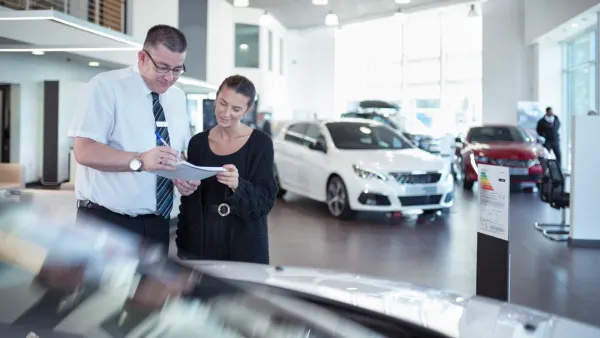
Most visitors (64%) to an auto show are seriously considering a vehicle purchase within the next 24 months. They pay to attend. They bring their spouse or family, the people who will influence or make the decision with them. On average, they spend 2.9 hours comparing vehicles, sitting inside them, asking questions and often taking test drives. Very few other marketing channels can replicate that level of engagement.
More than half (61%) of auto show attendees, who test drove a car at an auto show, report the live drive experience influenced their purchase decision, a critical step in the journey that digital research alone can’t replace. The auto show is one of the only platforms that can compress the entire mid- and lower funnel into one immersive, friction-free experience.
AEA member auto shows report that local dealers see increases in foot traffic and sales in the months during and right after the local auto show. That’s no coincidence.
OEMs That Understand the Assignment
Toyota is a prime example of a brand realigning with this lower-funnel reality. Instead of showing fully loaded, $45,000-plus vehicles that may impress media outlets but price out the average buyer, Toyota now coordinates with local dealers to feature realistic, regionally available trim levels for models that consumers will actually find on lots.
They also offer exclusive incentives timed with the auto show to drive immediate action. It’s not glamorous, but it’s highly effective. And Toyota isn’t alone. More OEMs and LMAs are beginning to see the value in this approach: meet consumers where they are, with the product they want, at the time they’re ready to buy.
Shifting Gears to a Lower-Funnel Opportunity
A 2023 study by The Ev&Ex Agency, a global experiential marketing firm, found that there are typically 16 steps that consumers take from the start of their car buying journey to final purchase, ranging from online research and dealership visits to test drives and price comparisons. Despite this well-defined and consistent purchase funnel, auto shows are underutilized: while 14 of these actions can occur at an auto show, only three or four typically do.
This presents a significant opportunity for OEMs and dealer groups to rethink their approach. Where else can you put your product in front of shoppers who voluntarily dedicate a specific day to researching their next car, comparing options and discussing them with the person they’ll share a driveway with? And pay to do it?
This isn’t top-of-funnel brand awareness, it’s mid- to lower-funnel action.
In just three hours, the average attendee engages with more than 10 vehicles across nine brands. They’re not just browsing; they’re comparing, asking questions, sitting in vehicles and test driving – critical interactions that shape buying decisions. These are meaningful, memory-making interactions with real impact on purchase decisions.
Consider this: 50% of attendees revise their consideration list after attending a show. Of those, 36% add new brands, while 14% remove brands that weren’t present. Simply put, showing up matters. When a brand is missing, it risks disappearing from the buyer’s journey entirely.
Auto Shows and the Bigger Marketing Picture
Auto shows aren’t just about media impressions, and they don’t have to be. They remain a powerful tool within a broader, integrated strategy. The key is not to abandon them, but to reframe their role. Think of it this way:
Want to build excitement around a new model? Launch with a media campaign or digital-first reveal.
Want to turn that excitement into action? Meet your buyers on the auto show floor.
Auto shows and media campaigns aren’t competing efforts; they’re complementary. Buzz fuels curiosity, but hands-on experience drives confidence and conversion. When both are aligned, the results can be game-changing.
What’s Next?
COVID may have caused a temporary setback, but consumer interest in auto shows is rebounding. Attendance is climbing year-over-year in many markets, and savvy OEMs and dealers are rethinking how they show up. As the dust settles on the digital frenzy of the past few years, one thing is clear: nothing beats being there in person.
The auto show isn’t dead, it’s just finally back where it belongs: at the mid- to lower-end of the funnel, where decisions are made and cars are sold.
About the Author
Kevin Mazzucola is chairman of the Automotive Experience Alliance, an industry association dedicated to innovation and standardization in the auto show Industry.