Hyundai Motor and General Motors, which agreed to a memo of understanding last year to collaborate on technology and research and development, are close to finalizing their first project – collaboration on commercial vans and pickup trucks, Reuters reports.
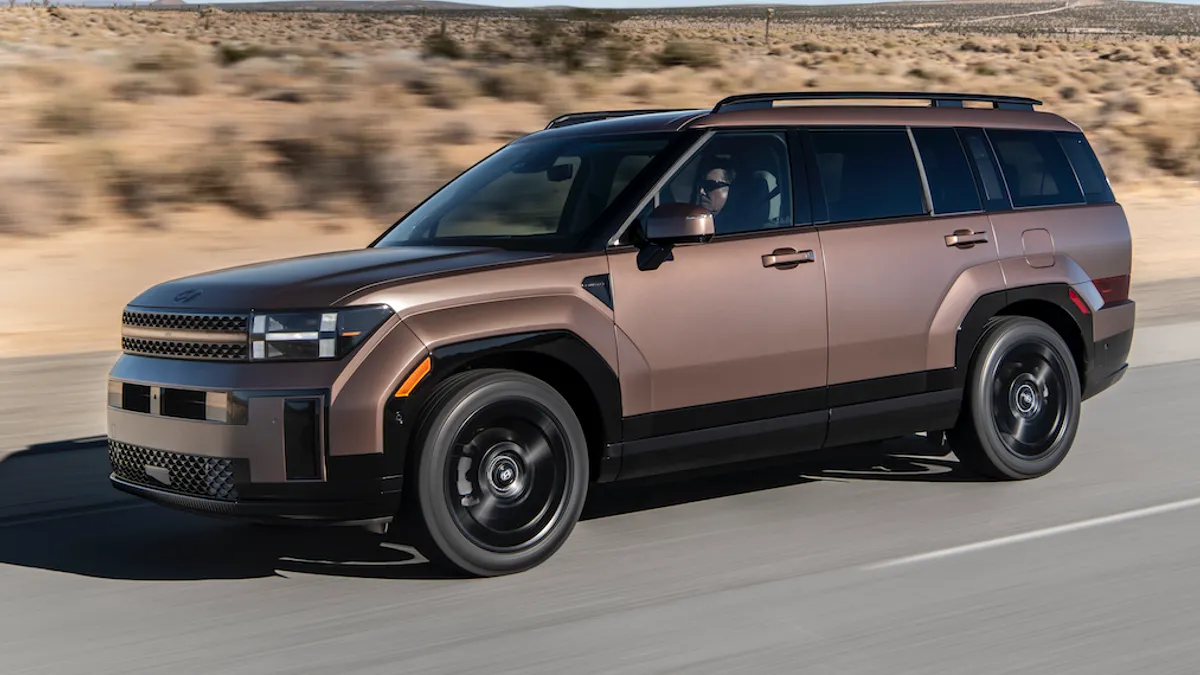
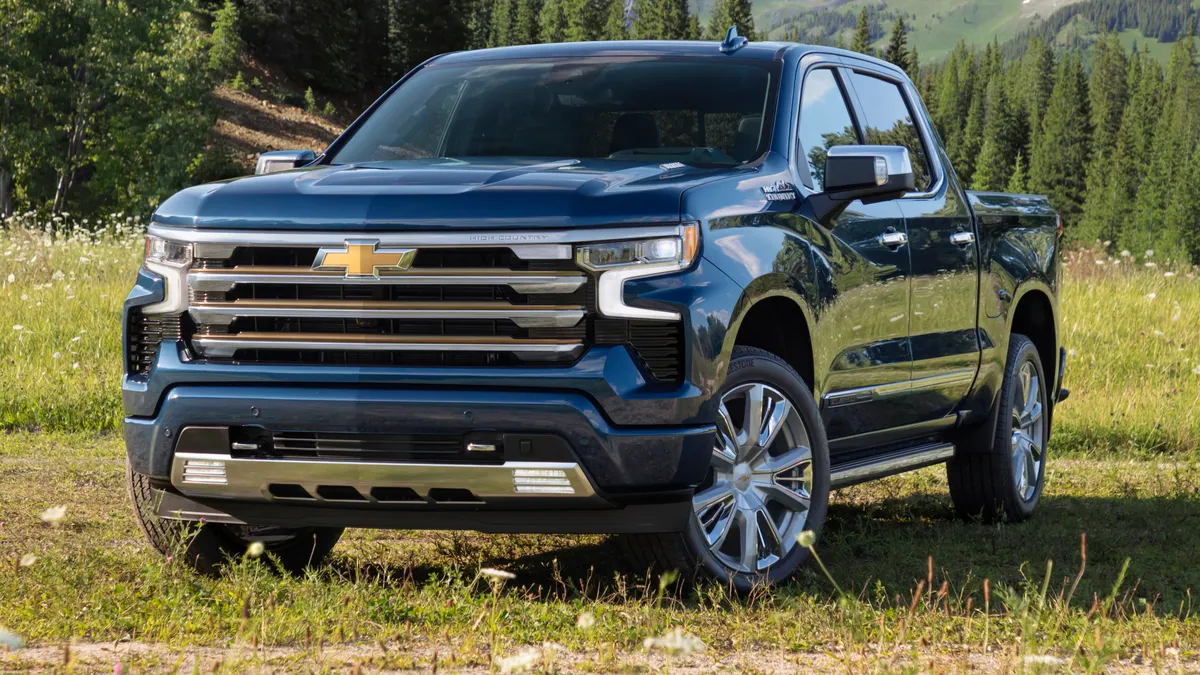
GM, the report says, would share two electric commercial vans developed by Hyundai. In return, GM would supply pickup trucks, probably derivatives of the Chevy Colorado and GMC Canyon, to market under the Hyundai brand in markets including North America.
Documents reviewed by Reuters indicate Hyundai is considering deals with GM that include joint purchasing or development of systems and technology stacks and next-generation batteries and battery materials, all of which were indicated in the memo of understanding the two companies reached last year.
A GM executive, speaking on background because they are not authorized to discuss the relationship, says one motivating factor for the automaker forming a partnership with NVIDIA is the fact that Hyundai has been using NVIDIA’s DRIVE platform across all its new vehicles since 2022.
In the GM-Hyundai arrangement, Hyundai would produce vans to be sold under its own and GM brands, initially importing them from South Korea, according to Reuters. The threat of widespread tariffs, though, has Hyundai considering manufacturing the vans in North America by 2028.
GM is phasing out its Chevy Express and GMC Savana vans, and the Hyundai vans could help fill that void without tying up the automaker’s capital or manufacturing capacity. Hyundai would likely share its compact electric commercial vans based on its ST1 electric commercial vehicle with GM. It could also give GM a large electric commercial van that Hyundai is developing.
The new North American commercial van factory under consideration by Hyundai would produce up to 60,000 units by 2030 and 100,000-plus by 2032, Reuters reports.
Hyundai, as well as sister company Kia, have long wanted to sell a legitimate pickup in North America. GM, Ford and Stellantis’s Ram division have resisted building fullsize pickups for competing automakers, considering that highly profitable business sacrosanct. There is less at stake with midsize trucks, though even that segment has become a big growth area in recent years and GM dealers could chafe at watching rival brand dealers selling GM wares.
Reuters reports interest by Hyundai in providing GM with compact SUVs in Brazil that GM could rebrand as its own.
GM declined comment on specifics of the negotiations but says in a statement: “Both companies continue to explore potential areas of collaboration.”
Partly driven by the onslaught of inexpensive Chinese battery-electric vehicles, legacy automakers are forming alliances to share development costs around electric vehicles, batteries and purchasing to reduce costs and time to bring new, less costly products to market.
Honda and Nissan, despite their merger talks having hit a wall, still plan to continue their technology joint venture announced a year ago. Renault, Nissan and Mitsubishi have long shared development and technology as part of the three-company global alliance. Mitsubishi this week inked a deal with Foxconn to share EV development and manufacturing, and still plans to keep its joint-venture development deal with Nissan. Ford and Volkswagen also have a technology and vehicle sharing deal.
Joint Ventures, Badge Engineering a Mixed Bag
Sharing development costs, purchasing and procurement for joint projects is a natural benefit of joint venture deals. Supplying vehicles for rebranding is another matter. GM has a checkered history with such deals, as do most automakers.
GM shared ownership of a Fremont, CA, factory with Toyota (now owned by Tesla Motors), where the Chevy Nova and later the Pontiac Vibe were manufactured atop a Toyota Corolla platform. GM was never happy with the arrangement and always had to spend big on incentives to move the cars, while Corolla remained the stalwart of the segment.
Chrysler at one time supplied minivans to Volkswagen to sell under its brand in the U.S., but without Chrysler’s best feature –Stow ’n Go second-row seating. The arrangement was short lived and not successful for VW.
More recently, Toyota, which owns a stake in Subaru, developed the Toyota GR86 and Subaru BRZ sport cars, as well as the Toyota bZ4X and Subaru Solterra battery-electric CUVs. Even with different styling, those vehicles have not been successful.
VW and Ford co-developed the current Ranger and VW Amarok to sell in Europe and Australia, and both companies seem satisfied with the results. The latest Ford Transit Connect is based on the VW Caddy platform and built by VW in Poland.
GM and Honda worked together recently, with Honda using GM’s Ultium platform for its Honda Prologue and Acura ZDX electric CUVs. The Prologue has been a success for Honda in terms of sales, if not profits.
Hyundai, of course, has extensive experience sharing platforms, purchasing and other shared parts of the business among its Hyundai, Kia and Genesis brands without designs being obviously “badge engineered” vehicles.
With all the joint-ventures forming, companies are bound to be getting better at producing unique looking vehicles manufactured on top of the same platforms, chassis and software.